
The Real Cost of Convenience: Alkaline vs Rechargeable Batteries in India
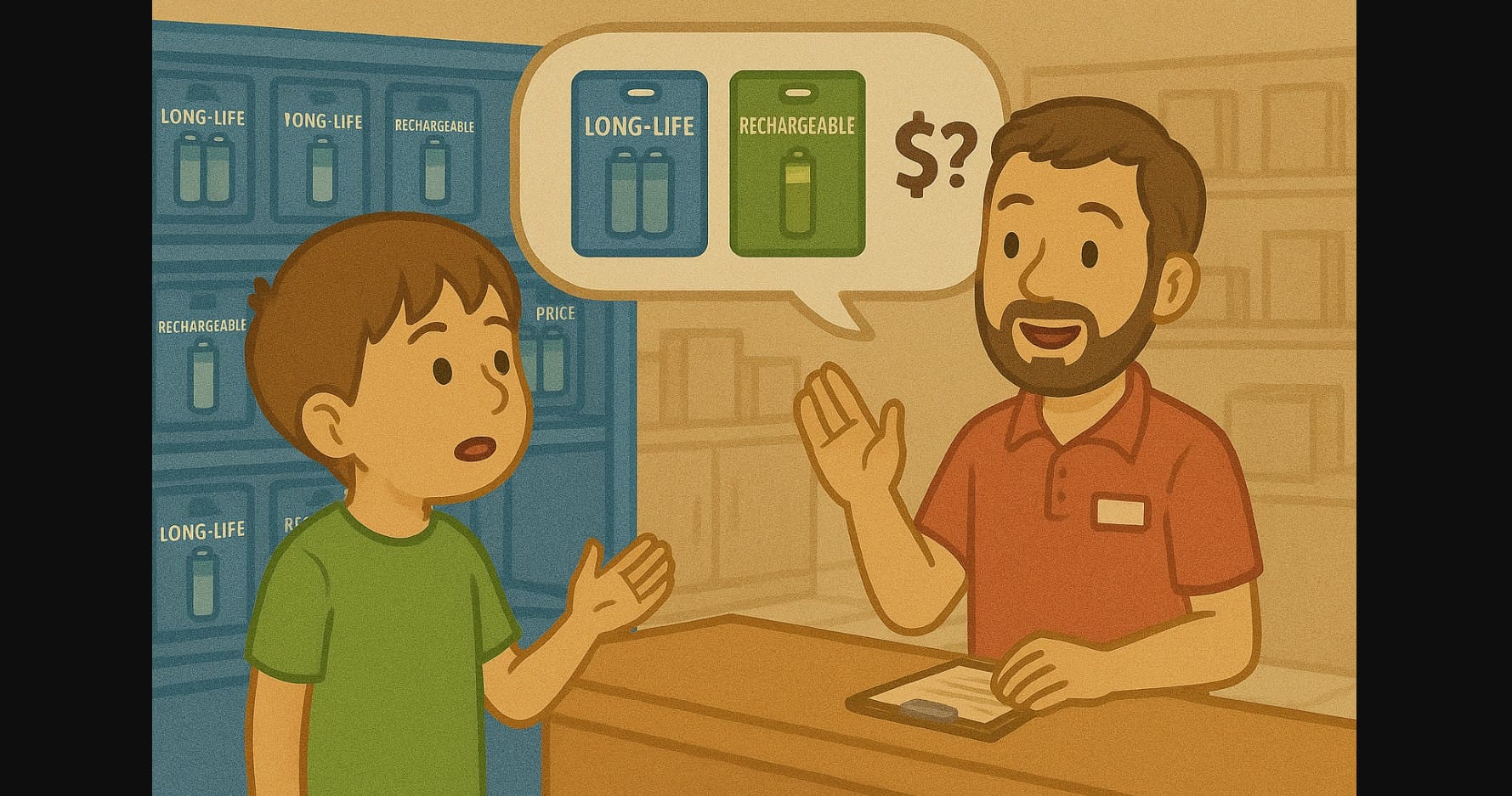
Even in an era of USB charging and lithium cells, a surprising number of everyday devices in India still rely on AA and AAA batteries from TV remotes and toys to torches, clocks, grooming gadgets, and even wireless keyboards.
If you use these regularly, you’ve probably wondered: Should I stick to long-life alkaline batteries or switch to rechargeables?
The answer depends not just on the price tag, but on how you use your devices.
1. What Counts as a Long-Life Alkaline Battery?
These are premium versions of disposable batteries, designed to last longer and leak less than traditional zinc-carbon cells.
Common Alkaline Brands in India (2025):
- Duracell Ultra
- Energizer Max
- Eveready Ultima
- Panasonic Alkaline
They offer:
- Stable voltage delivery
- Better performance in high-drain devices
- Shelf life of up to 7-10 years
- No need for charging or setup
2. What Do Entry-Level Rechargeable Battery Offer?
Rechargeable AA/AAA batteries have improved significantly in India both in price and availability. Most use NiMH (nickel-metal hydride) chemistry.
Typical Options:
- Eveready Rechargeable
- Duracell Recharge
- Panasonic Eneloop (basic)
- AmazonBasics or similar brands
Paired with a basic charger (₹350-₹700), these can power the same devices as alkaline cells and be reused 300-1000 times.
3. Alkaline vs Rechargeable Battery Cost Comparison
| Feature | Long-Life Alkalines | Entry-Level Rechargeables |
|---|---|---|
| Initial Cost (2 cells) | ₹60-₹100 | ₹300-₹450 |
| Charger Cost (One-time) | N/A | ₹350-₹700 |
| Lifespan | One-time use | 2-4 years (300+ recharges) |
| Cost per Use (long term) | ₹30-₹50 | ₹2-₹4 |
| Waste Created per Year | High | Low |
| Ideal For | Low-use or backup devices | High-use or daily-use devices |
| Setup Required | None | Requires charging routine |
4. Which Is More Convenient?
Use Alkaline Battery When:
- You need no setup and want instant use
- The device is used rarely (e.g., wall clocks, emergency torches)
- You’re gifting a toy or giving a remote with no charger attached
- You’re buying for someone less tech-savvy (elders, children)
Use Rechargeable Battery When:
- The device is used daily or multiple times a week (toys, grooming tools, game controllers)
- You’re tired of buying new batteries every few weeks
- You want long-term savings and less environmental waste
- You don’t mind charging once every 5-10 days
5. Alkaline or Rechargeable Battery Practical Use
Smart Remote + Streaming Stick (Moderate Use)
- Alkaline: Lasts 5-6 months
- Rechargeable: Needs recharging monthly but saves in the long run
Battery Toys for Kids
- Alkaline: ₹100-₹200/month per toy in frequent-use homes
- Rechargeable: Upfront cost higher, but saves ₹1000+ annually
Emergency Torch
- Alkaline: Better for standby, won’t lose charge when idle
- Rechargeable: May lose power when not used for weeks or months
6. Rechargeable vs Alkaline Battery Environmental Impact
Alkalines
- 1 battery = 1 use
- High e-waste, especially in homes using batteries for toys or gadgets daily
- Often discarded in regular household trash
Rechargeables
- 1 battery = 300+ uses
- Significantly less landfill impact
- Still needs responsible disposal at end of life but overall, far more eco-friendly
7. Mix and Match Batteries Based on Use
There’s no single winner your usage pattern decides the smarter choice.
- For daily-use devices, rechargeable are a smart investment.
- For emergency tools or rarely used gadgets, stick with good-quality alkaline batteries.
In many homes, the most practical approach is to keep both:
- Rechargeables for your child’s favorite toy and grooming trimmer
- Alkalines for the clock on the wall and the spare torch in the drawer

