
Headphone Jack Missing? Best Adapters & Workarounds for India
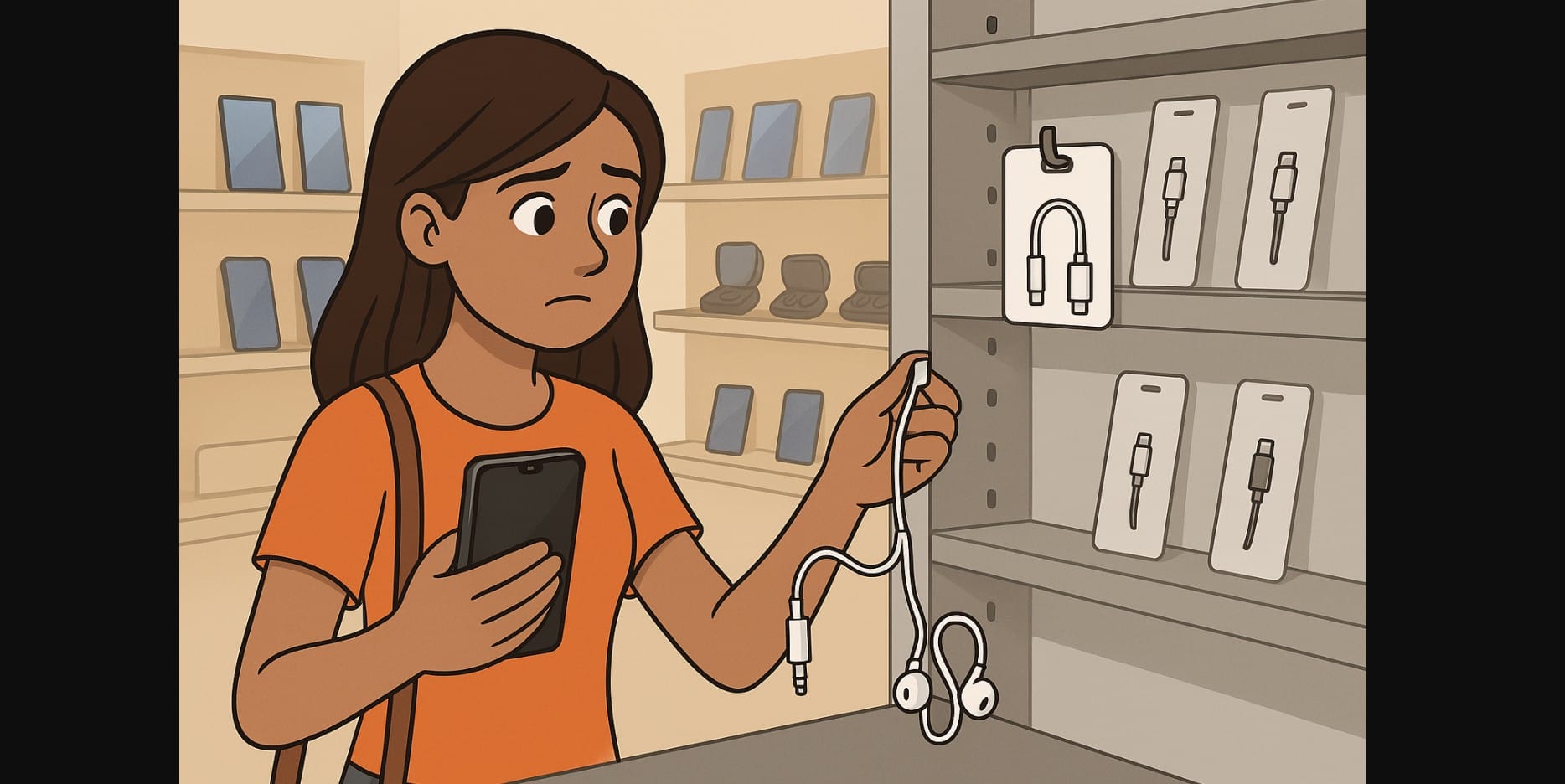
You’ve probably seen it a new phone with great specs, slim design, an no headphone jack. For many users in India, this change feels like a downgrade. After all, wired earphones still work well, cost less, and don’t need charging. But with most brands removing the 3.5mm jack, how do you keep using the audio gear you already own?
This guide breaks down the adapters that work, the ones that don’t, and what your best real-world options are based on how you actually use your phone in India.
1. USB-C to 3.5mm Adapter for Your Headphone
The most common solution is a USB-C to 3.5mm adapter, but not all phones handle them the same way.
Works well if:
- Your phone supports analog output over USB-C
- You use an adapter with a built-in DAC chip
- You don’t need to charge your phone while listening
Fails completely when:
- The adapter lacks a DAC, and your phone expects digital audio
- You buy a low-cost dongle that only supports music, not mic or controls
- Your phone brand uses a proprietary USB-C audio setup (seen in some Realme, Oppo, and Xiaomi models)
Even on phones like the Galaxy M series or Pixel, not every adapter will work. Brands like OnePlus or Samsung sell their own adapters, which usually offer better reliability.
2. Charging While Listening? USB-C Splitters Are Hit or Miss
If you want to listen and charge at the same time, you’ll come across USB-C splitters with dual ports.
What to know before you buy:
- Many low-cost splitters either charge or play audio not both
- Most do not support mic passthrough, so you can’t take calls
- Reliable ones from Baseus, Ugreen, or Portronics cost a bit more, but offer better chipsets
These are useful for students in long classes, train travellers, or anyone stuck with one port and no power.
3. Switching to USB-C Earphones Sounds Smart But Isn’t Always
You’ll find USB-C wired earphones from Xiaomi, Realme, OnePlus, and even Boat. But before you buy:
- They often don’t work properly across different brands
- Call and volume controls may stop working if mismatched
- Some stop playing audio if your phone updates its USB stack
This means your OnePlus USB-C earphones might not work on a Samsung phone, and vice versa. Great on paper, unpredictable in practice.
4. Going Wireless Isn’t Always Better Just Easier for Some
Bluetooth earphones solve the port problem completely, but they come with their own trade-offs.
Good for:
- Quick calls, video classes, or casual music
- Gym workouts, walking, or commuting
- Phones with no DAC support
Not ideal when:
- You edit videos or need zero delay audio
- You prefer plug-and-go use without pairing
- You forget to charge them (often)
Many Indian users stick with neckbands from boAt, Realme, Oppo, or Noise affordable, decent sound, and fewer dropouts than TWS buds.
5. Still Want to Use Your Wired Earphones? Try These Smart Fixes
- Bluetooth receivers: Plug your wired earphones into a tiny Bluetooth dongle no more adapter mess
- USB DAC dongles: From brands like Moondrop, TempoTec, or FiiO gives you clean sound and supports mic
- Old phones as audio players: Use your previous device for offline music 3.5mm jack included
- Laptop or tablet pairing: Continue using your wired gear for study or work sessions outside your phone
These small changes let you keep using your wired gear without depending on your new phone’s limitations.
6. What You Should Look for in an Adapter or Workaround
| Check This | Why It Matters in India |
|---|---|
| DAC support | Some phones only support digital output adapter must decode |
| Brand-specific design | Many dongles only work with same-brand phones (OnePlus, Samsung) |
| Mic and call function | Not all adapters support voice input or call buttons |
| Port strength | Cheaper dongles bend or break quickly in daily use |
| Return policy | Essential for online purchases test before keeping |
7. Wired Audio in Wireless Times
Smartphones no longer have headphone jacks, but many users still have wired headphone/earphone. Instead of getting random adapters or going wireless just because others do, consider your listening preferences and what matters most: sound quality, convenience, or control. Think about whether you enjoy deep sound during commutes or wireless music while exercising.
The marketplace is flooded with adapter options, so take the time to explore solutions that cater specifically to those needs.
There’s still a way to plug in even when there’s no audio port left.

