
How Apple’s Ecosystem Strengthens iPhone Loyalty in India
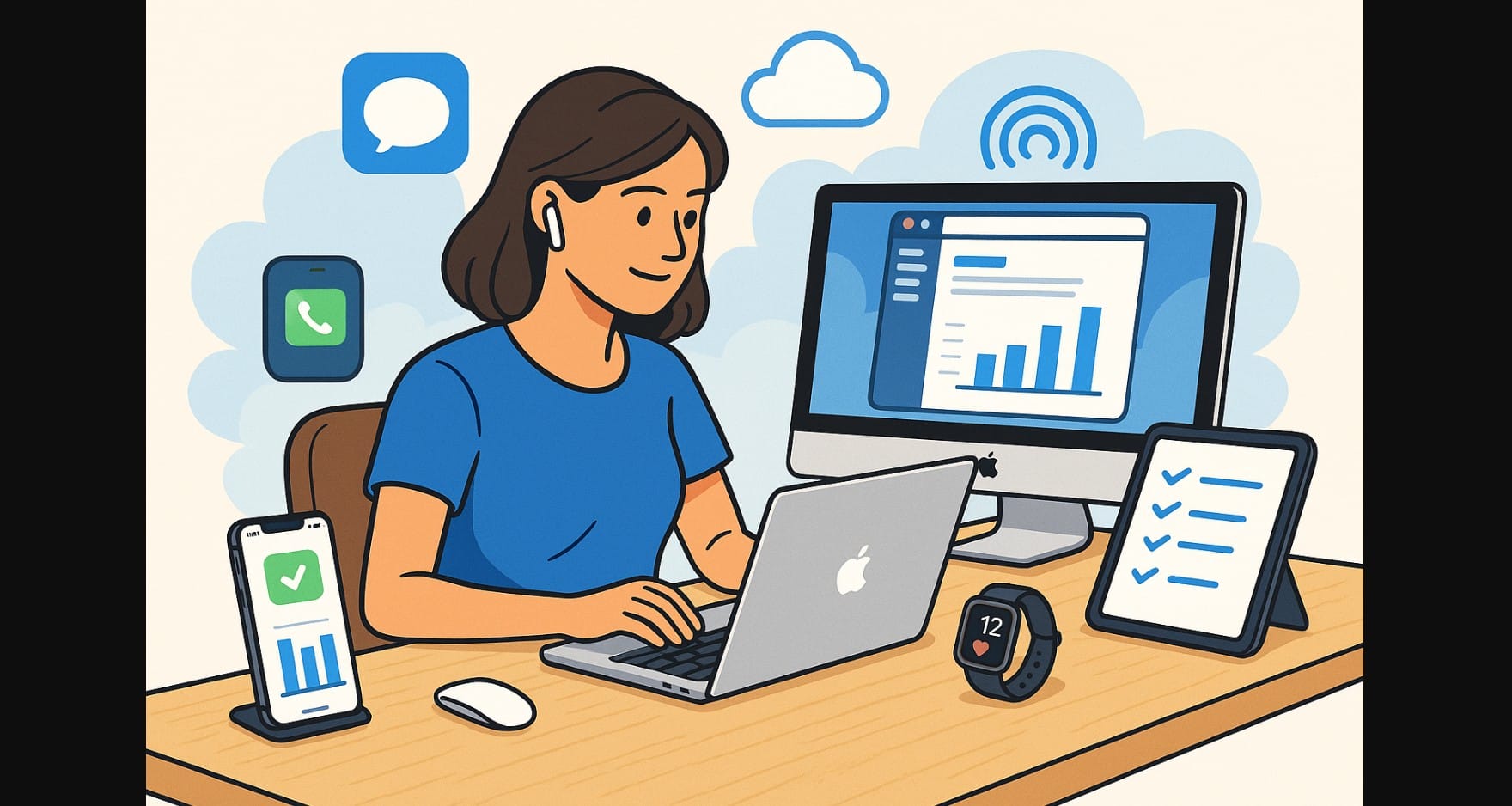
Apple’s dominance in resale value is well known in India, but the reason behind it goes beyond hardware. The iPhone’s strength lies in the ecosystem effect.
Unlike Android, where brands compete with separate services and fragmented accessories, Apple builds a tightly integrated network of devices and services. In India, this ecosystem rarely starts with “owning everything”, it begins with a single purchase like an iPhone or MacBook Air, and gradually grows into a sticky web of convenience that boosts long-term loyalty and resale demand.
How Apple’s Ecosystem Reinforces iPhone Value in India?
1. The First Apple Device: iPhone as Entry Points
In Western markets, buyers often own multiple Apple products together. In India, the pattern is different. Most households start with one anchor device. For many, the iPhone is the aspirational purchase, often financed on EMI or bought second-hand.
Once a user invests in that first Apple device, it quietly reshapes their future choices. Buying a Windows laptop after an iPhone feels clumsy without AirDrop or iMessage integration. Similarly, using an Android phone alongside a Mac means losing Handoff and FaceTime continuity. This inter-device dependency ensures that the first Apple purchase isn’t the last.
2. The Mac Factor: Work and Creativity Anchors
MacBook Air and Mac Mini as Professional Entry Points
For professionals, students, and freelancers, the MacBook Air or Mac Mini is often the first Apple product they buy. Whether it’s for coding, design, or academic work, these devices serve as reliable long-term investments.
Once someone has a Mac, the natural next step is an iPhone, not because of marketing but because of the seamless integration macOS offers with iOS. This flow explains why buyers often end up with the iPhone-Mac pairing, even if they don’t own any other Apple device.
iPhone + Mac Synergy in Everyday Life
When iPhone and Mac are paired, features like AirDrop, Handoff, and Universal Clipboard simplify tasks. Students can copy text on iPhone and paste it on Mac, or freelancers can instantly transfer files without cables. Even without iPad or Watch, this two-device ecosystem is powerful enough to anchor users.
3. Why iCloud/Apple ID Makes iPhones Easier to Sell
One of the biggest differences between Apple and Android ecosystems is iCloud. In India, cloud storage is usually considered a premium add-on, but Apple positions iCloud as a natural extension of the iPhone. Even the entry ₹75/month plan offers enough storage for backups, and the convenience of automatic migration makes upgrading seamless.
For resale buyers, this matters. An iPhone that can be wiped and restored to a fresh setup with iCloud is perceived as safe, secure, and hassle-free. Android alternatives rely on a mix of Google Drive, brand-specific apps, and manual transfers, all functional, but fragmented. This smooth iCloud-driven upgrade loop is one reason older iPhones find takers quickly in India’s second-hand markets.
Apple ID as the Universal Passport
Once an Indian buyer creates an Apple ID, it becomes the gateway to App Store purchases, subscriptions, and services. This single login builds a long-term relationship. Leaving the Apple ecosystem means abandoning not just a device but an entire digital identity, a barrier that keeps users loyal.
4. Apple Cross-Device Integration: The Subtle Lock-In
When Indians buy their second Apple device, often a MacBook Air or AirPods, they discover the ecosystem at work. AirDrop for quick file transfer, iMessage syncing between Mac and iPhone, Handoff for continuing tasks across devices, and Apple ID for managing everything from apps to subscriptions. These small touches create switching costs.
A professional in Bangalore who edits documents on a Mac and shares files via AirDrop to their iPhone will find it difficult to switch to an Android phone without breaking workflow. This is where Apple differs from Android in India: Samsung, Xiaomi, OnePlus, and OPPO all have good devices, but their integration is mostly brand-specific, not universal. An OPPO phone won’t sync with a Samsung tablet; a OnePlus smartwatch won’t always work seamlessly with Xiaomi’s ecosystem.
5. Apple Accessories in India: Expansion, Not Entry
AirPods as the Common Upgrade
AirPods have become the most common “second step” in Apple’s ecosystem for Indian buyers. Affordable financing and their dominance in the premium TWS market make them a popular upgrade after buying an iPhone. Their seamless pairing across iPhone and Mac keeps users invested in Apple.
Apple Watch: Niche but Growing in Metros
The Apple Watch remains niche in India, largely confined to metro professionals and fitness enthusiasts. But when it is purchased, it creates deeper lock-in because of health tracking features and status-symbol appeal. Even if adoption is low, its presence reinforces iPhone demand in resale markets.
Unlike in the USA, most buyers don’t pick up AirPods or Apple Watch alongside their iPhone. These accessories usually come later, when incomes rise or aspirations grow. But once they’re added, the stickiness deepens.
6. Apple Services That Build Habits
Apple’s services layer, iCloud, Apple Music, TV+, Arcade, and the bundled Apple One subscription, is still small in India compared to global markets, but it is growing. The real stickiness comes from Apple ID as a universal passport. One login manages everything: app purchases, cloud, and subscriptions.
This habit-building ensures continuity. An iPhone buyer who stores 20,000 photos in iCloud and pays for Apple Music is far less likely to abandon iOS. For resale buyers, this makes older iPhones attractive too, since they can plug straight into the same ecosystem without disruption.
7. Why iPhones Retain More Value Than Androids
The ecosystem advantage translates directly into resale. When an Indian buyer pays ₹40,000-₹45,000 for a two-year-old iPhone, they aren’t just buying a phone, they are buying access to Apple’s world: iCloud, AirPods, Mac integration, and potential Apple Watch use.
Why Android Ecosystem Can’t Match in India – Fragmentation Across Brands
Android’s weakness in India lies in fragmentation. Samsung has its own SmartThings ecosystem, Xiaomi has MIUI+ and IoT, while OnePlus and Oppo have separate approaches. None of these services integrate seamlessly across devices from different brands.
Apple’s strength is cohesion: one iPhone works with one Mac, one Apple ID, and one set of services. This integration ensures that every additional purchase strengthens the ecosystem rather than scattering it.
Upgrade Loops and Switching Behavior
Android users in India frequently switch brands, Xiaomi to Samsung, OnePlus to Oppo. But once inside Apple’s ecosystem, switching becomes costly because it breaks continuity (loss of iMessage, AirDrop, iCloud backup). This stickiness explains why iPhones have higher resale demand: buyers are not just getting a phone, they are getting access to an ecosystem.
8. Regional Differences in Ecosystem Adoption
In metro cities like Delhi, Mumbai, and Bangalore, ecosystem adoption is stronger. The combination supports work, study, and lifestyle integration. Ecosystem lock-in is strongest here, making resale value consistently high. Buyers often pair an iPhone with AirPods or a MacBook, making resale iPhones even more valuable since second-hand buyers already own part of the ecosystem.
In Tier-2 and Tier-3 towns, the pattern is different. iPhones are mostly standalone purchases. Accessories and services usually come later, but compatibility ensures the iPhone retains appeal even as a single device.
9. Looking Ahead: Ecosystem Expansion in India
With local iPhone assembly lowering prices and Apple Stores opening in Mumbai and Delhi, more Indian buyers are likely to be drawn into the ecosystem. Over time, we can expect:
- More AirPods adoption as incomes rise.
- Wider Apple Watch usage in metros.
- Deeper Mac integration for professionals and students.
- Subscription growth with Apple One bundles.
Services like Apple TV+, Arcade, and potentially Apple Pay (if launched widely in India) will deepen stickiness further. This ensures that iPhones will remain desirable in resale markets, not just as phones but as keys to a larger ecosystem.
Summary: The Ecosystem Multiplier in India
Apple’s success in India does not depend on every consumer buying every Apple product. Instead, it thrives because one purchase creates momentum. An iPhone buyer is more likely to buy a Mac, and a Mac owner is more likely to buy an iPhone. Each step tightens Apple’s grip through services like iCloud, seamless integration, and accessory compatibility.
This multiplier effect ensures that iPhones hold their value longer in India. They are not just smartphones, they are ecosystem anchors, and that is what keeps their resale value strong year after year.
Sources:

