
Avoiding Fraud in Second-Hand Two-Wheeler Deals
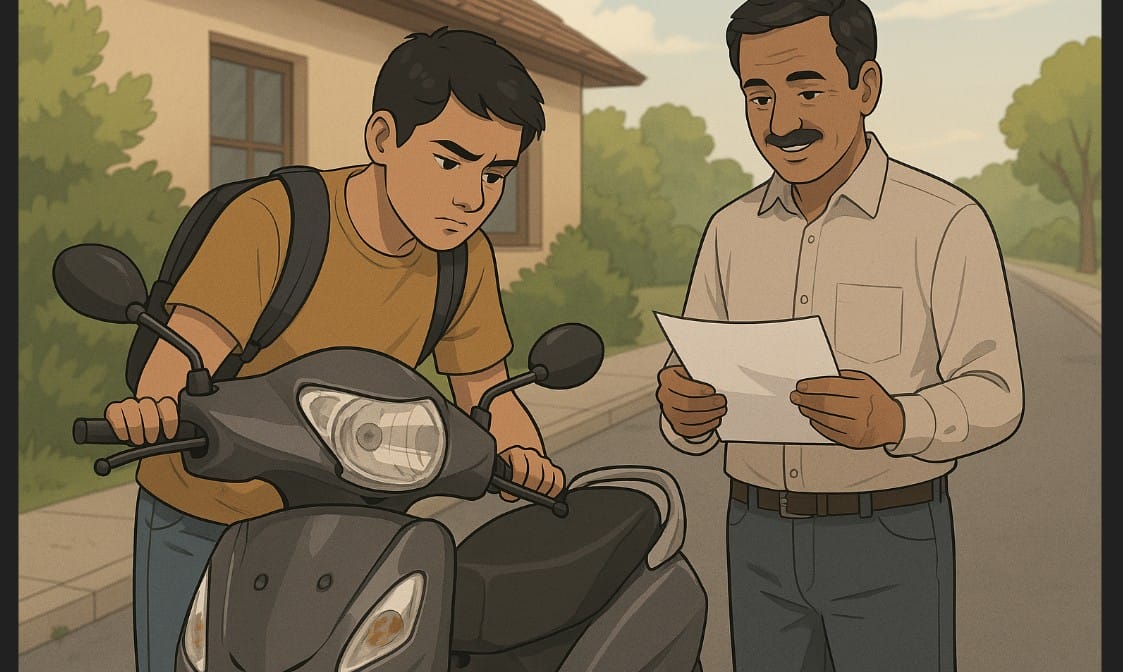
Buying a second-hand two-wheeler can save you a lot of money. Whether you’re looking for your first vehicle or replacing an older ride, a well-maintained scooter or bike can cost ₹20,000-₹50,000 less than a new one.
But the used market comes with its own risks hidden issues, fake documents, and sellers who just want to close the deal fast.
So before you pay anything, here’s how to buy smart.
Step 1: Start with the Right Source
You’ll find used scooters and bikes in three places:
- Online platforms like OLX, Quikr, or Facebook Marketplace
- Local dealers and used bike showrooms
- Personal connections through friends, neighbours, or community groups
Online listings give you more options, but also more risk. Dealers are safer for first-time buyers, though the prices may be slightly higher. Known sellers are ideal if they’ve maintained the vehicle properly and share full documents.
Wherever you start, plan to inspect the vehicle in daylight, and don’t rush the decision.
Step 2: Shortlist Carefully Don’t Just Go by Photos
Found a listing that looks promising? Look beyond the shine. Ask the seller:
- Year of registration
- Kilometers run
- Reason for selling
- Any recent repairs or replacements
- Whether the vehicle has a clean RC and valid insurance
If the answers are vague or inconsistent, skip it. A genuine seller will usually share details clearly.
Step 3: Inspect the Vehicle in Person
When you meet the seller, check everything with your own eyes.
Start with the overall condition:
- Are there deep scratches or rust under the footrest?
- Is the paint faded or uneven?
- Do the tyres look cracked or worn?
Then go deeper. Try both electric and kick start, listen for any rough sounds from the engine, and check that all electronics (lights, horn, indicators) work.
If the battery is weak or the engine hesitates to start, it may cost you more soon after buying.
Step 4: Watch the Odometer and Use Common Sense
Many sellers list low kilometers to make the vehicle look gently used. But always compare:
- Age of the vehicle vs km run
- Alignment of the odometer digits (tampering often shows)
- Service history, if available
For example: If the scooter is 7 years old but has only 10,000 km on it, something’s off.
If in doubt, skip it or bring someone experienced with you.
Step 5: Take a Proper Test Ride
Don’t skip this no matter how good the bike looks.
Ride for at least 3-5 minutes and focus on:
- Straight-line riding does it pull to one side?
- Braking is it smooth or jerky?
- Acceleration any delay or throttle lag?
- Handlebar does it feel stable or vibrate at speed?
If anything feels off, trust your instinct.
Step 6: Check Every Document Before Payment
No matter where you buy, always ask for original paperwork:
- RC (Registration Certificate) – Name must match seller
- Insurance – Preferably valid or recently expired
- Pollution Certificate (PUC) – May be required for RC transfer
- Loan NOC – If the vehicle had finance, this is mandatory
- Service Records – Optional, but helpful for trust
Don’t buy if:
- RC is not in the seller’s name
- Insurance is missing for over a year
- Loan clearance is pending
Step 7: Don’t Fall for Scams
Some deals sound too good to be true and they usually are.
Avoid:
- Sellers asking for full advance payment before meeting
- “Courier the vehicle after payment” traps
- Unwillingness to share address or ID proof
- Urgent sale stories with extreme discounts
Only meet in person. Only pay after checking everything.
Step 8: Negotiate Smartly
If everything checks out but you feel the price is a bit high, negotiate calmly:
- Point out tyre condition, cosmetic wear, or expired insurance
- Mention similar listings with lower asking prices
- Offer a round figure slightly below your max budget
Most sellers expect some negotiation but don’t try to cut too hard if the vehicle is in great shape.
Step 9: Pay Securely and Get the Sale in Writing
Once you agree on a price:
- Use bank transfer or UPI where possible
- If paying cash, count in person and ask for a signed receipt
- The sale receipt should include:
- Buyer and seller names with ID
- Vehicle details
- Full price paid and date
Also collect:
- RC card
- Insurance copy
- PUC
- Spare key (if available)
Step 10: Start the RC Transfer Immediately
Don’t wait. Ownership transfer can now be done:
- Online through Parivahan with Aadhaar OTP (in many states)
- Or offline at your local RTO using Form 29 and 30
Until the RC is officially transferred, the vehicle is still under the seller’s name which can cause problems later.
Buy With a Calm Mind and Don’t Skip These Checks
A second-hand scooter or bike can be a great decision as long as you check carefully, ride it, and don’t rush. Even if you save ₹10,000 on the price, a bad battery or a poor clutch can wipe that out in weeks.
So take your time, inspect with focus, and walk away if something feels wrong.

