
What Makes a Car City-Friendly in India – Size, Features, Drivability
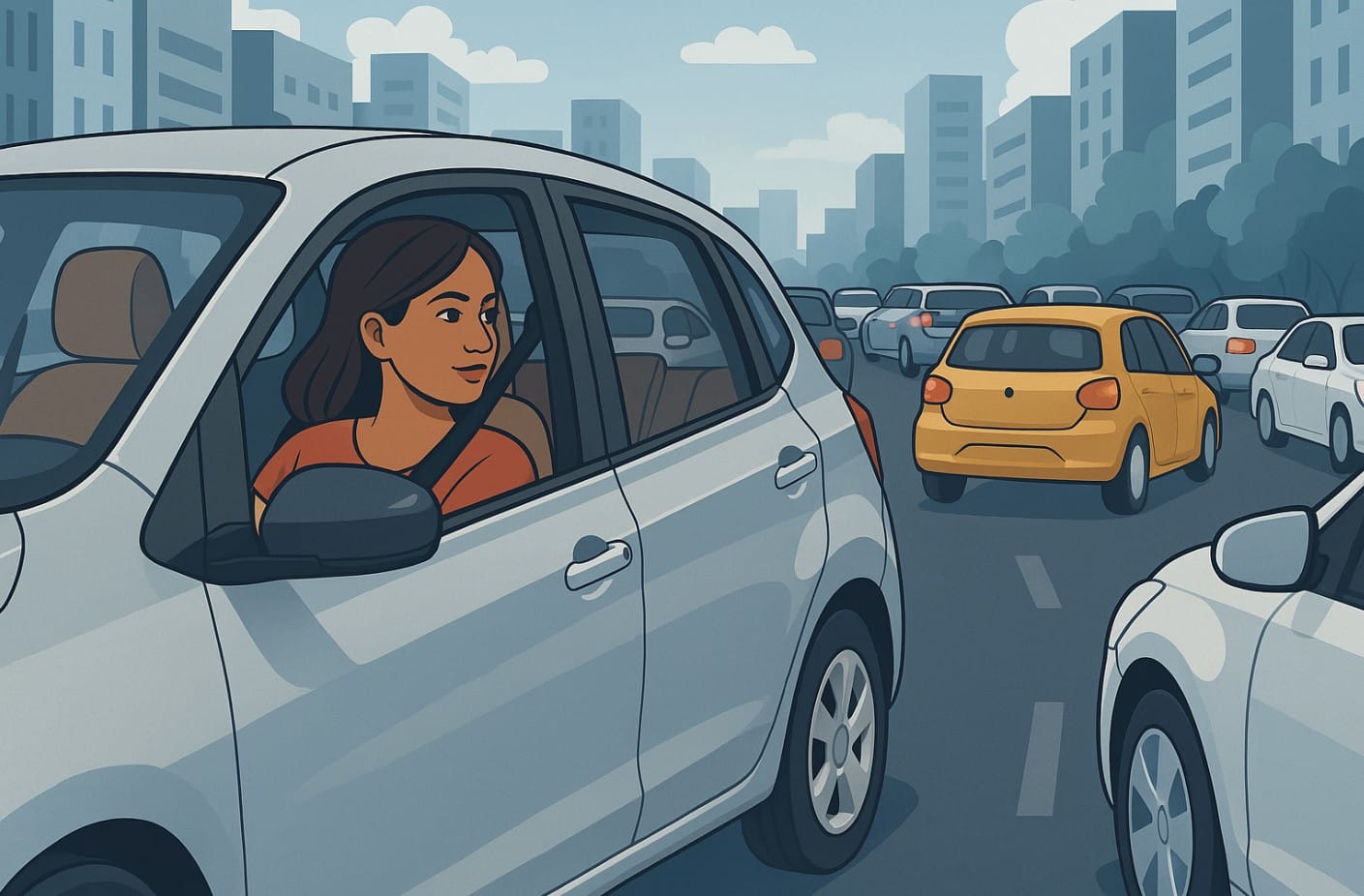
If most of your driving happens in Indian cities where roads are packed, parking is tight, and traffic is often bumper-to-bumper choosing the right car isn’t just about style or brand. It’s about practicality.
A car that works well in city conditions can save you time, fuel, and frustration. This guide helps you choose a car that fits your daily commute, reduces fatigue, and handles Indian urban realities better.
1. Compact Car Size Makes Daily Driving Easier
In cities like Delhi, Bengaluru, Mumbai, and even Tier 2 towns, space is limited on the road and in parking lots.
What to look for:
- Shorter overall length: Easier to squeeze into tight gaps
- Slim body width: Reduces side scrapes in narrow lanes
- Lower bonnet line: Improves visibility in traffic
Popular hatchbacks and compact SUVs under 4 metres are ideal. If you drive mostly solo or with one passenger, compact is best.
2. Car Fuel Efficiency in Real Stop-and-Go Traffic
Unlike highways, city driving has more idling, gear changes, and short distances which reduces mileage.
Consider:
- Small petrol engines (1.0L to 1.2L) for better mileage in traffic
- Hybrid options like strong hybrids or mild-hybrids in some models
- EVs for city-only use low running costs and no engine heat
Cars like the Maruti Celerio, Grand i10 Nios, or Tiago EV are popular because they stretch every litre (or charge).
3. Automatic Transmission Makes Life Simpler
Using the clutch constantly in traffic is tiring and leads to long-term foot fatigue.
Choose:
- AMT (Automated Manual Transmission) for budget buyers easy and fuel-efficient
- CVT or torque converters for smoother, quieter city drives
- EVs or hybrids all automatics by nature, with instant torque
Avoid manual if your city has regular traffic jams the comfort tradeoff isn’t worth it.
4. Small Car Turning Radius = Big City Advantage
Indian cities are full of U-turns, narrow bylanes, and tight parking spots.
Cars with smaller turning radius (under 5m) help:
- Make quick U-turns
- Escape from dead-ends
- Park in single-lane streets without multiple attempts
Hatchbacks and some compact SUVs (like the Ignis or WagonR) turn easily even in older city layouts.
5. Car Features That Help in Tight Spots
You don’t always need a big touchscreen you need features that make daily driving smoother.
Useful features for city use:
- Rear parking sensors and camera
- Tilt-adjustable steering and seat height
- Auto-folding mirrors
- Rain-sensing wipers and auto headlamps
- Hill-hold assist (for city flyovers or parking ramps)
These small things make a big difference when used daily.
6. Comfort Shouldn’t Be an Afterthought
Even in city drives, you often sit in traffic for 45+ minutes. So seating, cabin layout, and AC matter more than top speed.
Look for:
- Wide seats with adjustable headrests
- Efficient AC for Indian heat and humidity
- Low cabin noise (NVH levels)
- Legroom in the rear (especially in traffic jams)
You’ll appreciate a quiet cabin and good visibility every single day.
7. Car Safety Isn’t Just for Highways
City speeds are lower, but accidents still happen with bikers, autos, and pedestrians. Don’t skip safety.
Must-haves:
- Hill Hold Assist
- 6 Airbags
- ISOFIX mounts if you carry children
- Reverse camera – almost essential in Indian parking spots
A GNCAP/BNCAP rated car with a stable body shell is worth prioritizing.
8. Low Running and Maintenance Costs Matter
Indian city roads wear out brakes, clutches, and tyres faster.
Choose cars that:
- Have affordable spares
- Offer easy service access (even doorstep service helps)
- Don’t require high-octane fuel or complicated tech
- Have strong brand service support in your city
Maruti, Hyundai, Tata, and Toyota have wide service networks in most cities.
9. Budget Smart – Not Just on EMI
City-friendly cars are available from ₹5-10 lakh, and even EVs have entered that zone.
Think beyond EMI:
- Total Cost of Ownership = purchase + fuel + service + insurance
- Factor in resale value – city-used cars usually fetch good prices
- Check for discounts on older but proven models
You don’t need a big SUV if 90% of your time is in slow traffic. Prioritize what gives daily value.
10. A Good City Car Reduces Daily Stress
You don’t need the fastest or the biggest you need a car that helps you:
- Drive without fatigue
- Park without drama
- Spend less on fuel
- Stay comfortable and safe
- Zip through traffic when needed
So next time you walk into a showroom, think beyond features. Ask yourself: Will this car make my daily commute better?

