
Tired of Noisy ACs? Here’s How to Get Cooling Without the Constant Hum
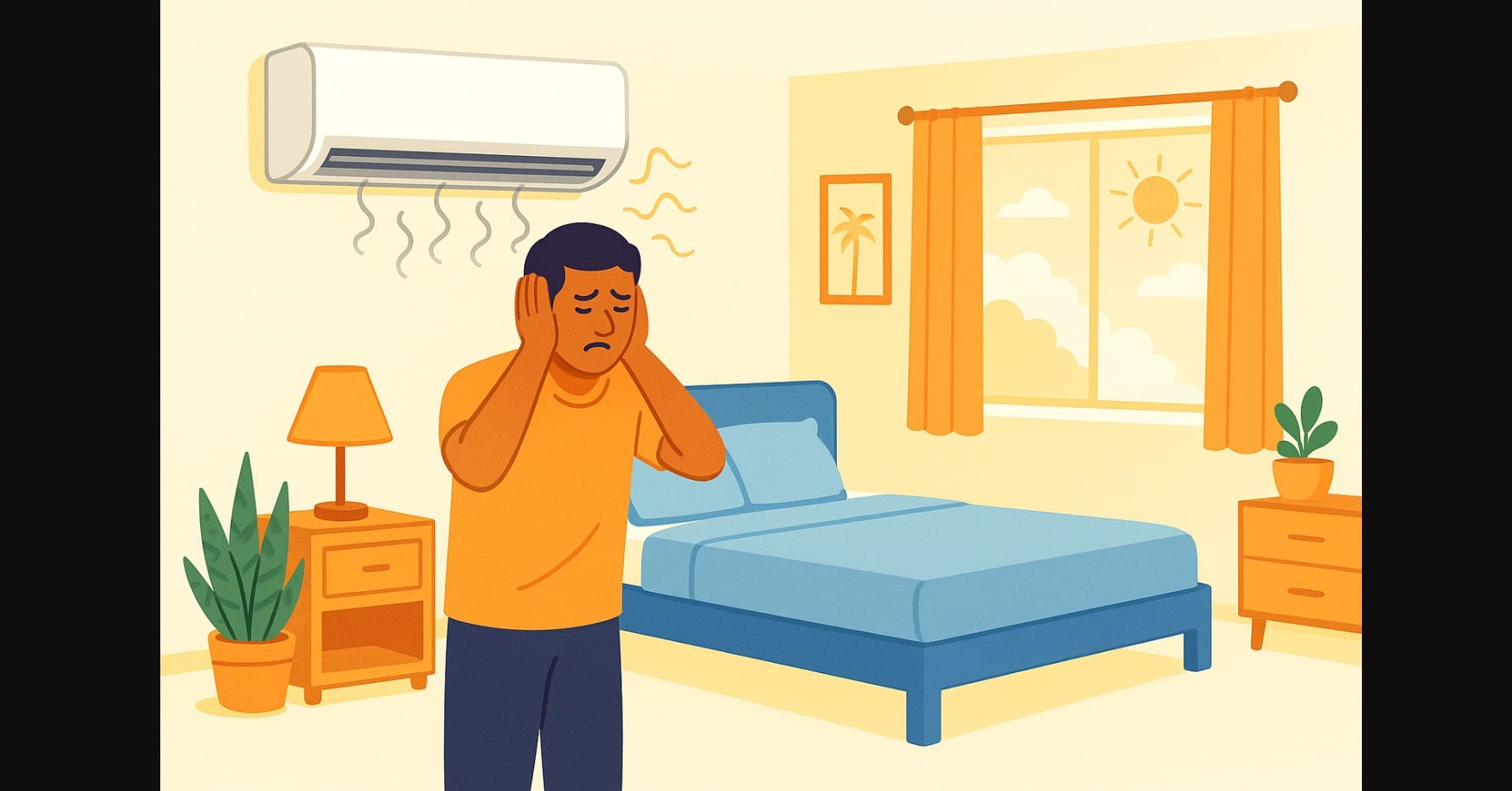
Most buyers focus on cooling power and energy savings when choosing an AC. But one factor they often ignore noise ends up affecting daily comfort more than expected. If your AC makes you raise the TV volume, disrupts your sleep, or hums like a small generator in the background, you’re not alone.
In apartments, small bedrooms, or homes with kids and elders, excess noise turns a helpful appliance into a constant disturbance.
1. Why Some ACs Are Quieter Than Others
Noise doesn’t come from just one part of the AC it’s usually a combination:
- Compressor noise: Comes from the outdoor unit (but in window ACs, it’s inside the room)
- Fan noise: Caused by high-speed indoor blowers or dirty fans
- Vibration noise: Poor mounting or low-quality materials transmit mechanical buzz
- Clicking/gurgling: From refrigerant flow or startup cycles
- Dust buildup: Increases friction and strain, making the unit work noisier over time
If your AC sounds like a truck engine starting up every 20 minutes, it’s likely the compressor cycling at full power, which cheaper fixed-speed ACs often do.
2. Why Window ACs Are Louder in Small Homes
| Type | Indoor Noise (Typical) | Real-World Impact |
|---|---|---|
| Window AC | 50-65 dB | Compressor hums inside room |
| Split AC | 19-45 dB | Outdoor compressor placement |
Window ACs are affordable and easy to install, but the noise level is built into their design.
In contrast, split ACs keep the noisy part (compressor) outside your living space, which makes a big difference in bedrooms, study areas, and children’s rooms.
3. What Decibel (dB) Ratings Actually Mean Inside a Room
Here’s a quick breakdown of how noise levels feel in practice:
| dB Rating | What It Compares To | Suitable For |
|---|---|---|
| 19-24 dB | Whisper or rustling leaves | Deep sleep, infants, WFH |
| 25-35 dB | Library or quiet office | Good for bedrooms/study |
| 36-45 dB | Normal conversation | Acceptable in living rooms |
| 50+ dB | Loud street or busy cooler | Disruptive in any quiet use |
Even a 5 dB difference is noticeable, especially at night. If your AC crosses 45 dB on high fan mode, you’ll likely hear it over ceiling fans and background sounds.
4. Which Features Help Keep Your AC Quiet?
If you’re buying a new AC or want to improve your current one, look for:
- Inverter compressor – avoids loud start/stop cycles
- BLDC motor fans – operate smoothly and silently
- Sleep mode – lowers indoor fan speed over time
- Auto-clean – prevents dust buildup that causes noise
- Anti-vibration mounting pads – especially for outdoor units
- Sturdy housing – thicker plastic reduces rattling
Avoid flashy designs with thin plastic panels, as they’re more likely to vibrate and rattle over time.
5. Why Inverter ACs Sound Calmer in Real Use
Traditional ACs operate on a basic logic: compressor ON, then OFF. Each time this happens, you hear a distinct thud or vibration.
Inverter ACs, however:
- Adjust power gradually
- Maintain cooling without hard restarts
- Reduce sudden fan blasts and long pauses
- Run at lower noise after reaching your set temperature
This makes them ideal for bedrooms, kids’ rooms, and workspaces, especially in India’s long summer nights.
6. Your AC Might Be Too Loud If You Notice This
- Sudden clanking or buzzing when cooling kicks in
- The sound continues even after room feels cool
- Vibration felt on the wall, glass, or bedframe
- Conversations get drowned out when AC is on high
- Kids or elderly wake up complaining of humming
These are signs that either your unit is aging, poorly installed, or wrongly chosen for the space.
7. Fixes That Actually Work for Noisy ACs
You don’t always need a new AC some tweaks can reduce noise significantly:
- Clean the filters and indoor fan blades monthly
- Check outdoor unit mounts add anti-vibration pads or re-align
- Use sleep mode or fan speed control to lower indoor airflow
- Avoid placing ACs near thin partition walls or windows that rattle
- Get a technician to inspect the blower motor or loose panels
If the AC is older than 7-8 years and showing signs of wear, it might be time for an upgrade especially if it’s a fixed-speed model.
8. Best AC Noise Levels to Aim for Based on Room Use
| Room Type | Ideal Indoor dB Rating | Why It Matters |
|---|---|---|
| Bedroom | 20-30 dB | For uninterrupted sleep |
| Home office | 25-34 dB | Prevents fatigue during long calls |
| Child’s room | 20-30 dB | Maintains calm during sleep/play |
| Living room | <40 dB | Allows TV, conversation, socializing |
In homes where one room serves multiple purposes, even a small noise upgrade makes a major comfort difference.
9. What to Check in New AC
- Ask for the exact dB level at max fan speed, not just at “quiet mode”
- Request a demo in store or look for real reviews with sound feedback
- Check if the outdoor unit will face a bedroom or window
- Don’t rely on the label alone listen for compressor and fan reviews specific to your model
- Look for mentions of BLDC fan, inverter compressor, and sleep modes
You don’t want to trade heat for headaches. In a hot Indian summer, quiet cooling becomes part of how you live, work, and sleep better.

