
How to Choose the Right Battery for Your Bike or Scooter in India
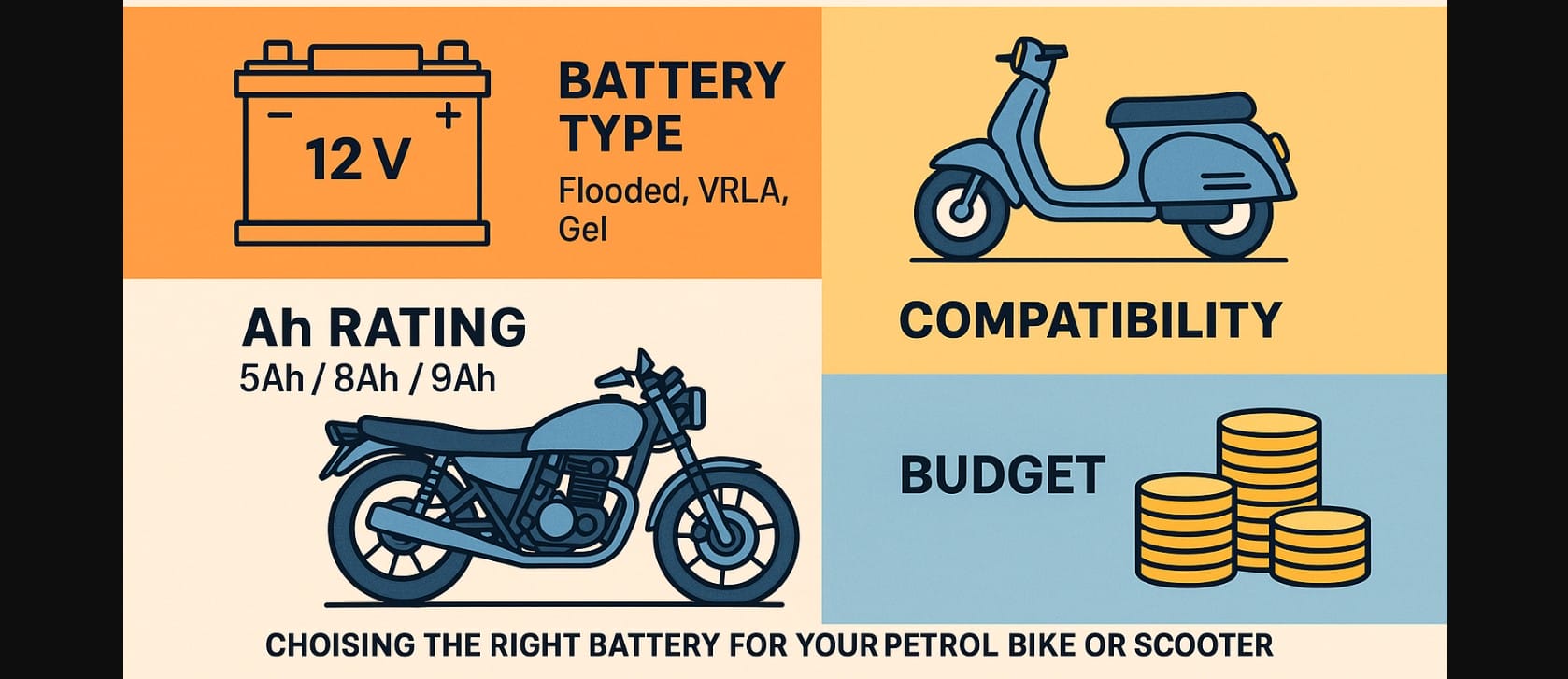
In Indian cities, where traffic moves slowly and summers are hot, your bike or scooter’s battery does more than just start the engine; it powers important parts like headlights, indicators, and mobile chargers, helping you navigate the busy streets easily.
A poor battery choice can cause slow starts, unexpected shutdowns, and the need for early replacements. Whether you ride an Activa, Pulsar, or Apache, this guide helps you choose a battery that fits your needs, climate, and budget without the common one-size-fits-all mistake.
1. Which Battery Fits Your Two-Wheeler Best?
Just because most two-wheelers use 12V batteries doesn’t mean any 12V battery will do. Picking the wrong type or capacity can:
- Drain too fast during stop-and-go riding
- Fail early in high-heat zones
- Void your warranty if the specs don’t match
- Lead to sluggish self-start or repeated breakdowns
In a market full of options, a mismatched battery can quietly turn into an everyday headache.
2. What Battery Numbers Like 5Ah or 12V Really Mean for Your Ride
Here’s what those confusing battery specs actually translate to:
- 12V: Standard voltage across Indian two-wheelers
- Ah (Ampere-hour): Indicates how much charge the battery holds. Higher Ah = more cranking power and reserve.
- Scooters (Activa, Jupiter): usually 5Ah-6Ah
- Bikes (Pulsar, Unicorn): 8Ah-9Ah or more
- CCA (Cold Cranking Amps): Measures how easily your vehicle will start, especially useful in winter
- Size and terminal direction: Must match the original design or the battery won’t fit or connect safely
3. How to Choose Between VRLA(MF), and Gel Batteries
Not all battery types age the same especially on India’s roads.
VRLA (Sealed Maintenance-Free)
- Most common in new bikes and scooters
- No water refills, sealed terminals
- Good resistance to vibration, ideal for city traffic
Gel-Based or Enhanced VRLA
- Better performance in high-heat and long-ride conditions
- Costlier, but longer-lasting
- Ideal for premium bikes or heavy daily use
4. Battery Size and Type Based on the Scooter or Bike You Ride
Choosing by vehicle type makes the process easier:
| Vehicle Type | Battery Type | Ah Rating | Notes |
|---|---|---|---|
| Activa, Jupiter (110cc scooters) | VRLA | 5Ah-6Ah | Prioritize compact size, sealed design |
| Pulsar, Unicorn (125-150cc bikes) | VRLA or Gel | 8Ah-9Ah | Needs stable power for repeated self-start |
| Apache, FZ, Hornet (160cc+) | High-performance VRLA or Gel | 9Ah | Withstand heat, frequent throttle use |
| Older Splendor or Passion | Lead-Acid or VRLA | 5Ah | If still using kick-start, lead-acid is an option |
5. How Long a Bike/Scooter Battery Lasts in Indian Heat and Traffic
Battery lifespan isn’t just about age it’s about exposure.
- Average lifespan: 2.5-3 years in Indian usage
- Fails faster in:
- High-heat cities (Ahmedabad, Hyderabad, Nagpur)
- Monsoon-drenched areas with constant moisture
- Bikes parked outdoors without shade
- Short daily commutes (under 2 km) without enough recharging time
Getting a 36-month warranty means nothing if your real-world use kills it in 18.
6. Why the Cheapest Bike Battery Isn’t Always the Smartest Buy
A lower upfront price often hides bigger costs later:
- Cheap batteries degrade faster in Indian summers
- Poor terminal quality leads to corrosion and failed starts
- Shorter warranty or hard-to-claim service means no real support
- You might pay twice once for the cheap battery, again for its early replacement
A mid-range, well-matched battery from a known brand usually performs more reliably and saves money long term.
7. Brands Indian Riders Rely On for Reliable Bike Batteries
The market is full of names, but few offer real reach and support:
- Exide – Easily available, trusted by authorized service centers
- Amaron – Great thermal performance, strong casing
- SF Sonic – Value-for-money, widely used in commuter bikes
- Tata Green – Compact, efficient, good for scooters
- Livguard – Gaining popularity for budget options with decent backup
Avoid unknown or imported batteries from online sellers without warranty backing or service network.
8. What to Check Before Picking a New Two-Wheeler Battery
Don’t just go by price or what the shopkeeper says. Ask:
- Is the battery pre-charged and ready to install?
- Does it fit your make and model exactly (terminals, size)?
- What’s the full + pro-rata warranty coverage?
- Will the dealer install and take back the old battery?
- Can the brand provide local service if something fails?
Getting this wrong once can lead to warranty rejection, repeated cranking issues, or short lifespan.
9. Right Battery Choice Can Save You Breakdowns and Money
Choosing the right two-wheeler battery isn’t about picking the most expensive option; it’s about finding one that suits your vehicle, riding style, and city conditions. The right battery starts your vehicle faster, lasts longer, and saves you money in the long run.

