
Eco-Friendly Water Purifiers in India: Reduce Water Wastage and Plastic Pollution
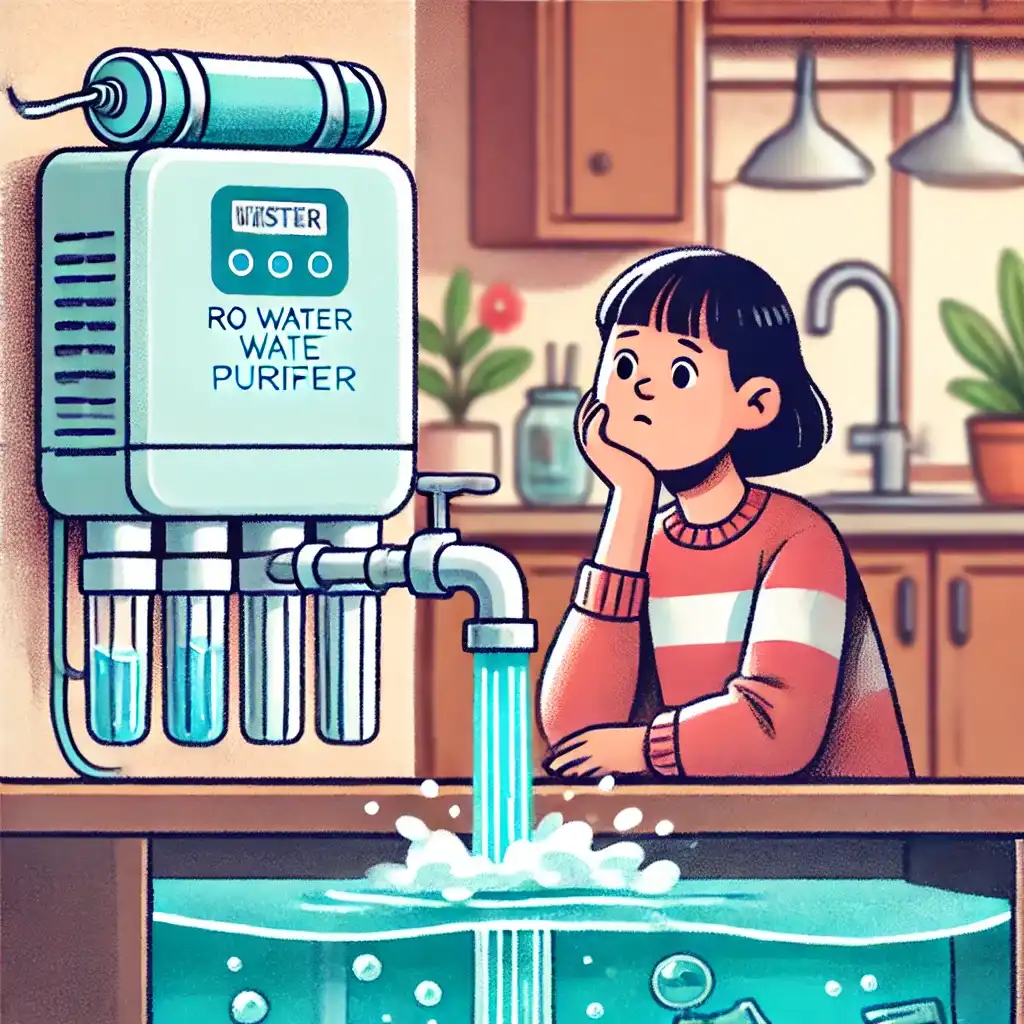
Access to safe drinking water is essential for every Indian household, but traditional water purifiers come with environmental costs. Many RO systems waste more than half of the input water, and plastic-heavy components like disposable filters and storage tanks contribute to pollution. With India facing both water scarcity and rising plastic waste, the need for eco-friendly water purifiers is more important than ever.
Modern sustainable water purifiers focus on reducing water wastage, minimizing plastic usage, and improving energy efficiency while still providing safe, clean drinking water. Whether you are looking for a low-waste RO purifier, a UV-based model, or a non-electric gravity filter, making an environmentally responsible choice can help conserve precious resources while ensuring your family’s health.
1. How Traditional Water Purifiers Contribute to Environmental Damage
1.1 Plastic Waste from RO and UV Purifiers
Most RO and UV purifiers rely on plastic storage tanks and disposable filter cartridges, contributing to landfill pollution.
- Filters require replacement every 6-12 months, adding to plastic waste.
- Improper disposal of used cartridges increases non-biodegradable waste, impacting the environment.
1.2 Water Wastage from RO Systems
- A typical RO purifier discards 50-80% of input water during purification.
- For every 10 liters of purified water, up to 8 liters may be wasted.
- Many users fail to reuse the rejected water, leading to unnecessary loss.
1.3 High Energy Consumption
- Multi-stage RO purifiers consume more electricity compared to other filtration methods.
- Energy demand increases with higher purification cycles, impacting sustainability.
Solution: Adopting eco-friendly purifiers helps conserve both water and energy, making them a more responsible choice.
2. What Defines a Sustainable Water Purifier?
An eco-friendly water purifier is designed to operate efficiently while reducing water and plastic waste. Unlike traditional systems that consume excessive water and electricity, sustainable models focus on:
- Minimizing water wastage through efficient filtration technology
- Reducing plastic use by incorporating recyclable or long-lasting components
- Using low-energy purification methods such as UV, UF, or gravity-based filtration
- Offering non-plastic alternatives like stainless steel or copper storage tanks
3. Best Eco-Friendly Water Purifiers in India (2025)
3.1 Low-Waste RO Purifiers (Water-Saving RO Technology)
These models retain up to 60-70% of input water, making them more efficient than standard RO systems.
| Model | Water-Saving Feature | Best For |
|---|---|---|
| Kent Supreme Extra RO | 50% water recovery | Homes with borewell/tanker water |
| AO Smith Z8 Green RO | Advanced Recovery Technology (ART) saves twice the water of standard RO | Large families needing RO |
| Livpure Zinger Copper RO | Up to 70% water recovery | Homes looking for RO with mineral retention |
3.2 Gravity-Based Purifiers (No Electricity, Zero Water Wastage)
These purifiers use UF (Ultrafiltration) and activated carbon, requiring no power and generating zero wastewater.
| Model | Technology | Best For |
|---|---|---|
| Tata Swach Non-Electric Purifier | UF & Activated Carbon | Rural areas, off-grid homes |
| Kent Gold Gravity Purifier | Chemical-free UF filtration | Low TDS municipal water |
| HUL Pureit Classic Gravity | Recyclable carbon filters | Homes needing non-electric solutions |
Best for areas with low TDS water where RO is unnecessary.
3.3 UV and UF-Based Purifiers (No RO Wastage, Energy-Efficient)
These purifiers retain all input water while effectively eliminating bacteria and viruses.
| Model | Technology | Best For |
|---|---|---|
| Eureka Forbes Aquaguard Aura UV+UF | No RO, no water wastage | Homes with municipal water |
| LG WW140NP UV Purifier | Energy-efficient UV technology | Eco-conscious buyers |
| Blue Star Excella UV | 100% water retention, low maintenance | Homes with tap water supply |
Perfect for urban households using municipal water with low TDS.
3.4 Purifiers with Stainless Steel or Copper Storage Tanks
Plastic storage tanks can leach microplastics over time, while steel and copper tanks are more durable and sustainable.
| Model | Tank Material | Best For |
|---|---|---|
| LG Puricare WW182EP | Stainless Steel Tank | Homes seeking durability |
| AO Smith Z9 RO | Steel water storage | Homes needing RO with long-lasting build |
| Prestige Tattva Copper Purifier | Natural Copper Purification | Traditional filtration with Ayurvedic benefits |
These models eliminate plastic waste while ensuring safe water storage.
4. How to Reduce Water & Plastic Waste While Using a Purifier?
Even if you already own a water purifier, you can adopt eco-friendly habits to make your purification system more sustainable.
4.1 Reuse RO Reject Water
- Use wastewater for mopping floors, flushing toilets, and watering plants.
- Some advanced RO systems recycle waste water automatically.
4.2 Choose Long-Lasting, Recyclable Filters
- Opt for washable pre-filters to extend the lifespan of RO membranes.
- Select brands that offer filter recycling programs.
4.3 Switch to Gravity-Based or UV Purifiers for Low-TDS Water
- If your water supply has low TDS, RO purification is unnecessary.
- UV and gravity-based purifiers are more efficient and generate zero waste.
4.4 Dispose of Used Filters Responsibly
- Many manufacturers offer filter disposal programs—check with your brand.
- Do not discard filters in regular trash—opt for eco-friendly disposal options.
5. Conclusion: Should You Choose an Eco-Friendly Water Purifier?
With growing water shortages and plastic pollution in India, choosing an eco-friendly water purifier is a smart and responsible decision. Sustainable models help:
- Reduce water wastage by recovering and recycling RO wastewater
- Minimize plastic use with long-lasting, recyclable filters
- Use energy-efficient purification like UV and gravity filtration
- Offer non-plastic storage tanks made of stainless steel or copper
If your home has high-TDS water, consider a low-waste RO model with water recovery technology. If your area gets municipal water with low TDS, switch to UV, UF, or gravity-based purifiers that retain all input water.
By investing in sustainable water purification, you are not just ensuring safe drinking water for your family but also helping conserve resources for future generations. Small changes in your choices today can lead to a cleaner, greener, and more sustainable tomorrow.

