
How Energy-Efficient Washing Machines Can Lower Your Electricity Bills
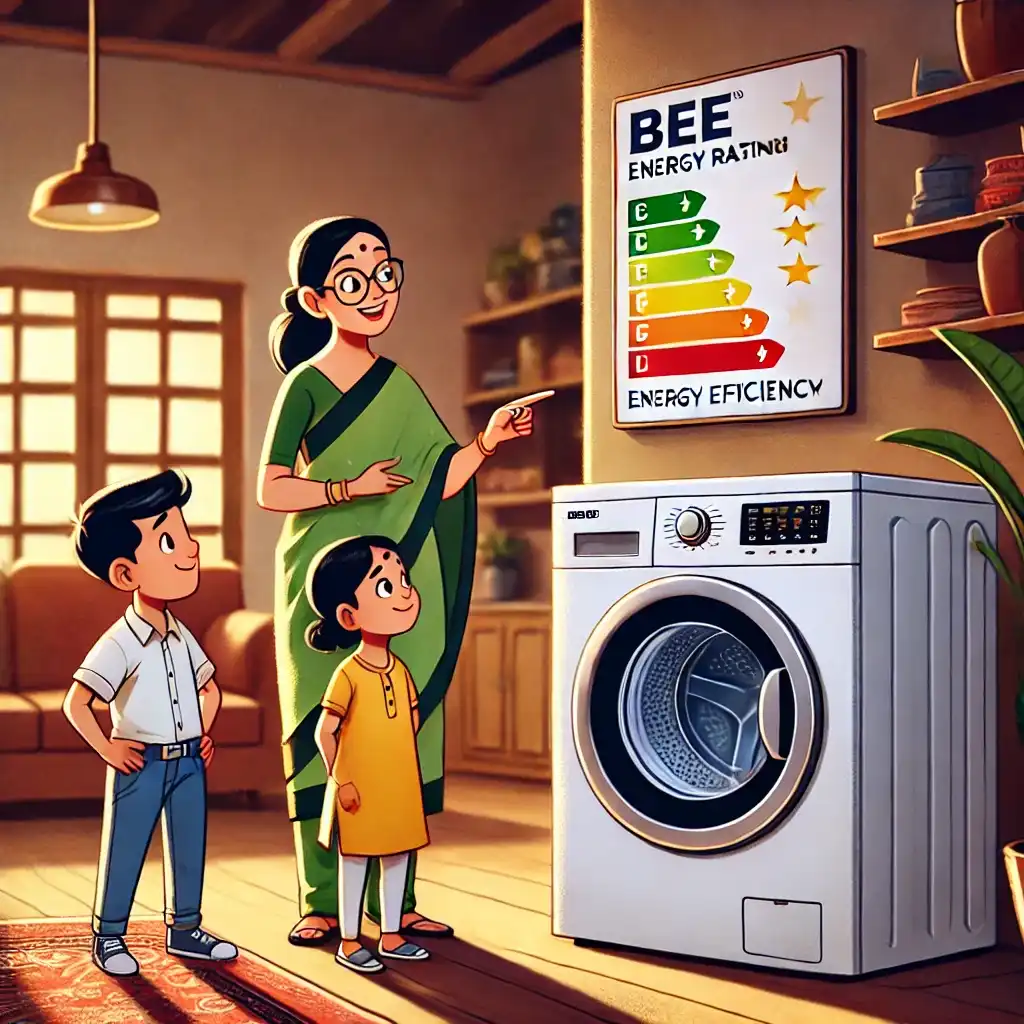
With rising electricity costs and increasing environmental concerns, energy efficiency in washing machines has become a critical factor for Indian households. The Bureau of Energy Efficiency (BEE) now mandates star ratings for washing machines, helping consumers make informed choices while ensuring reduced energy consumption.
This guide explains how energy-efficient washing machines work, the latest BEE star ratings for 2025, cost savings, and their environmental benefits—helping you choose the best model for your needs.
1. Understanding Energy Efficiency in Washing Machines
Energy efficiency in washing machines refers to how much electricity a machine consumes per wash cycle. A more energy-efficient model delivers the same or better performance while using less power.
The efficiency of a washing machine depends on:
- Motor technology (Inverter vs. Conventional motors)
- Water heating efficiency (for hot wash cycles)
- Spin speed (higher speeds remove more moisture, reducing drying time)
- Smart sensors that optimize water and detergent usage
By choosing an energy-efficient model, you can lower your electricity bills while reducing environmental impact.
2. What is the BEE Star Rating System?
The Bureau of Energy Efficiency (BEE) assigns star ratings to washing machines based on their energy consumption per wash cycle. The higher the star rating (1 to 5 stars), the more efficient the washing machine is.
- 1-Star: Least efficient, consumes more electricity
- 2-Star to 3-Star: Moderate efficiency
- 4-Star to 5-Star: Highly energy-efficient, consumes the least electricity
From January 1, 2024, BEE certification became mandatory for all washing machines manufactured, imported, sold, or traded in India. This ensures that only energy-efficient appliances are available in the market.
3. BEE 2025 Star Rating Updates for Washing Machines
The latest energy performance standards for washing machines are valid from January 1, 2024, to December 31, 2026. Manufacturers must comply with these updated criteria to obtain BEE star ratings.
BEE Star Rating Criteria (2025-26) for Fully Automatic Washing Machines
- 5-Star Models: Consume 20-30% less energy than conventional models.
- 4-Star Models: Offer balanced performance with moderate savings.
- 3-Star and Below: Higher electricity consumption, leading to higher running costs over time.
Each washing machine’s BEE label provides:
- Annual energy consumption in kilowatt-hours (kWh)
- Model number and manufacturer details
- The validity period of the star rating
Before buying a washing machine, always check the BEE star label for updated efficiency ratings.
4. How Much Can You Save with an Energy-Efficient Washing Machine?
Choosing a 5-star rated washing machine can significantly reduce electricity costs over time.
| Washing Machine Type | 1-Star Rating (High Energy Use) | 5-Star Rating (Energy-Efficient) | Annual Savings |
|---|---|---|---|
| Top-Load Fully Automatic | ~400-500 kWh/year | ~250-300 kWh/year | ₹1,500 – ₹2,500 |
| Front-Load Fully Automatic | ~300-350 kWh/year | ~150-200 kWh/year | ₹2,000 – ₹3,000 |
| Semi-Automatic | ~200-250 kWh/year | ~100-150 kWh/year | ₹500 – ₹1,500 |
Takeaways:
- Front-load washing machines are typically more energy-efficient than top-loaders due to optimized water usage.
- Switching from a 1-star to a 5-star washing machine can save up to ₹2,500-₹3,000 per year on electricity.
- Higher initial investment in an energy-efficient model pays off within a few years through lower power consumption.
5. Environmental Impact of Energy-Efficient Washing Machines
Choosing an energy-efficient washing machine helps reduce overall electricity demand, which benefits the environment in several ways.
1. Lower Carbon Emissions
- Less electricity usage reduces dependence on coal-fired power plants, cutting greenhouse gas emissions.
- A 5-star rated washing machine significantly lowers energy consumption per cycle.
2. Water Conservation
- Energy-efficient models use up to 50% less water per wash, which is crucial in water-scarce regions of India.
- Front-load washing machines require less water compared to top-loaders.
3. Reducing Grid Load and Power Shortages
- India faces frequent power shortages, especially in rural areas.
- Using energy-efficient appliances reduces strain on the electricity grid, improving power availability nationwide.
6. Features to Look for in an Energy-Efficient Washing Machine
When selecting an energy-efficient washing machine, consider these key features:
1. Inverter Motor Technology
- Adjusts motor speed based on load size, reducing power wastage.
- Saves 30-50% electricity compared to non-inverter models.
2. Eco & Quick Wash Modes
- Uses lower temperatures and reduced water levels to save energy.
3. AI Wash & Smart Sensors
- Detects fabric type and dirt level to optimize cycle duration and detergent use.
4. Hard Water Compatibility
- Prevents mineral buildup, increasing efficiency and extending machine life.
5. Built-in Heaters with Energy Control
- Heats only the necessary amount of water, reducing energy waste.
7. Choosing the Right Washing Machine for Your Home
| Household Type | Best Energy-Efficient Choice |
|---|---|
| Small Family (2-3 Members) | Front-Load, 6-7kg, 5-Star Rated |
| Large Family (4-6 Members) | Front-Load, 8kg+, Inverter Motor |
| Water-Scarce Areas | Front-Load, Eco Wash, 5-Star Rated |
| Frequent Users (Daily Washes) | AI Wash, Smart Sensors, High-Efficiency Model |
8. Summary: The Power of Energy-Efficient Washing Machines
With BEE star ratings now mandatory for washing machines, consumers in India have better access to energy-efficient choices that help save money and protect the environment.
- A 5-star rated washing machine consumes up to 50% less electricity than lower-rated models.
- Annual electricity bill savings can reach ₹2,000-₹3,000 for energy-efficient washing machines.
- Lower water usage reduces overall household consumption, making these machines eco-friendly.
- BEE-certified washing machines ensure better performance, durability, and long-term cost savings.
By choosing a higher-rated washing machine, you not only reduce your household expenses but also contribute to a more sustainable future for India.

