
Are Foldable Phone Worth the Price? Buyer Hesitation, Value, and Real-World Use
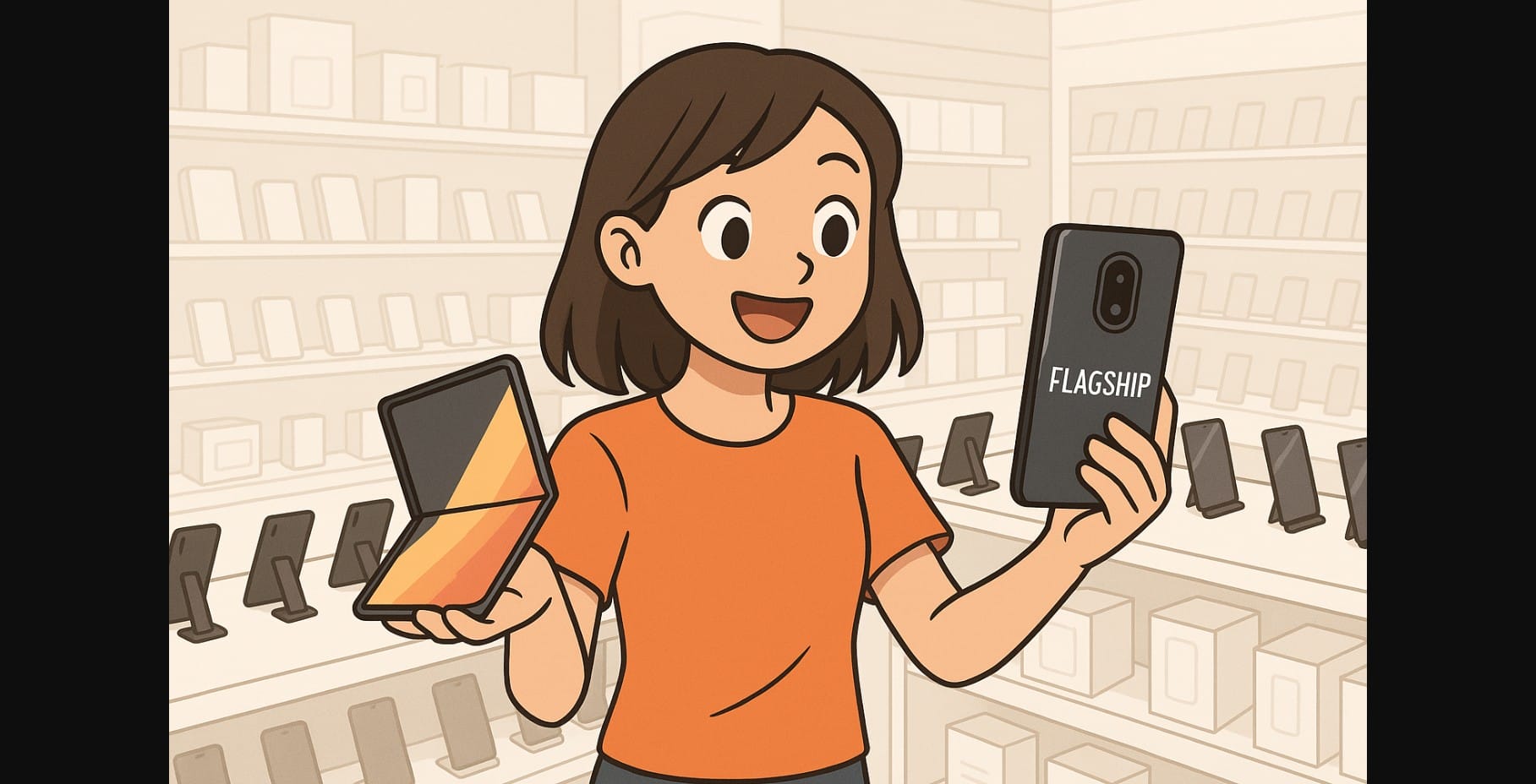
Foldable smartphones are no longer confined to the ₹1.5 lakh bracket. As of 2025, flip-style models start around ₹60,000 in India. Brands like Motorola, Vivo, Tecno, OnePlus, and Infinix have entered this space. Xiaomi and Realme are expected to follow soon.
Despite this price drop, most buyers still see anything over ₹60K as a premium segment, regardless of the design. Flip phones like the Galaxy Z Flip and Moto Razr are more accepted due to better affordability and portability, while book-style foldables like the Z Fold or OnePlus Open remain expensive and bulky for everyday use.
This article examines how Indian consumers are responding to foldables, who’s buying them, what concerns still hold others back, and whether the foldable format offers enough real-world value to justify its price.
1. Foldable Phone Durability Challenges in Indian Conditions
From dusty towns in Rajasthan to humid cities like Chennai, Indian weather puts foldables to the test. Some common issues reported by users in 2024-25 include:
- Dust getting trapped in hinges
- Screen protectors peeling due to heat
- Visible crease lines after months of use
- Screen damage from pressure inside pockets
These problems don’t affect all users, but they’ve made buyers outside metros hesitant. Foldables still aren’t seen as rugged enough for Indian conditions.
2. Which Smartphone Brands Are Getting Foldables Right in India?
Your choice of brand makes a big difference with foldables:
- Samsung: Best software updates, resale value, and service coverage. Offers regular discounts and bundles.
- Motorola: Affordable flip options with decent build, but lacks polish in UI and long-term support.
- OnePlus & Vivo: Strong hardware and cameras, but limited service networks and inconsistent updates.
- Tecno & Infinix: Cheapest options under ₹65K, but still lack long-term credibility in the segment.
Samsung remains the safest bet for buyers who care about resale, OS updates, and repairs.
3. Who’s Buying Foldable Phones in India?
Foldables still appeal to a specific segment:
- Urban professionals and Gen Z users looking for something different
- Tech enthusiasts and influencers who enjoy showcasing unique phones
- EMI-based buyers attracted by 18-24-month no-cost plans
Even in metros, most foldables are sold with bundled screen protection and financing. In Tier 2/3 cities, the fear of damage and lack of service access keeps adoption low.
4. Still Not All Android Apps Are Ready for Foldable Phone
Despite hardware improvements, software lags behind. Indian apps like IRCTC, PayTM, and some banking platforms often don’t scale properly on foldables. Flip phones show black bars or broken layouts in shopping apps and videos. Until developers prioritize foldables, the experience remains inconsistent.
5. Foldables vs Mid-Range Phone: What Gives More Value?
Foldables priced between ₹60K and ₹75K compete with mid-range feature packed phones like:
- OnePlus R series
- Galaxy FE series
- iQOO series
- Nothing Phone
While these offer better cameras, batteries, and performance, foldables offer:
- Compact design (for flip)
- Bigger multitasking screen (for book-style)
- Premium novelty factor
But for gaming, long-term performance, and resale, mid-range phones still dominate.
6. Are Foldables a Replacement for Phones or Tablets?
This confusion remains. Book-style foldables aim to replace tablets, but battery life and usability often fall short. Flip phones, meanwhile, offer compactness, not productivity. Until one device can replace both effectively, foldables will remain an “extra,” not a replacement.
7. Why Resale & Repairs Still Limit Foldable Phone Growth in India
Foldables are harder to upgrade or resell:
- Low resale value on OLX, Cashify, and offline
- High repair cost (screen replacement often ₹20,000+)
- Limited service centers outside metros
- Insurance plans exist but aren’t widely trusted
Unless you’re buying from Samsung with a buyback or upgrade plan, switching is harder than with regular phones.
8. What’s Still Holding Back Smartphone Buyers?
Even as prices fall, buyers remain cautious due to:
1. Durability Worries
Foldables still feel fragile. Dust, water, and accidental damage risks are too high for users who expect phones to last 3-4 years.
2. Costly Repairs and Warranty Gaps
A broken screen or hinge can cost more than a budget smartphone. Extended warranties are available but don’t inspire much confidence.
3. Long-Term Support Doubts
Buyers fear these are transitional devices, popular for a year, then unsupported. The lack of clear upgrade or resale paths adds to hesitation.
9. What Needs to Change for Foldables to Go Mainstream?
Affordable Models with Reliable Build
A sub-₹45K foldable with decent durability and service support could open the market. Xiaomi or Lava might fill this gap soon.
Wider Repair Networks
Foldables can’t scale beyond metros unless service centers expand and parts become affordable.
Better App Ecosystem
Unless Indian apps work well across folded and unfolded modes, the experience will stay inconsistent.
10. Should You Wait or Buy a Foldable in 2025?
Buy one if:
- You want something stylish and different
- You’re okay with minor trade-offs in battery, camera, or repairs
- You can afford EMI plans bundled with screen protection
Wait if:
- You want long-term reliability and resale value
- You often travel or live in areas with limited service support
- You expect rugged performance and gaming
Summary: Foldables Still Feel Aspirational, Not Essential
Foldables have dropped in price, but not in perception. They still feel like a style or status purchase, not a tool for everyone. The market will shift only when buyers see foldables as reliable daily-use phones, not fragile novelties.
As of mid-2025, less than 2% of phones sold in India are foldables. That number may grow, but until better affordability, service, and long-term value emerge, they’ll remain a niche choice.

