
Why Petrol Cars May Become a Burden and EVs a Lifesaver by 2030 in India
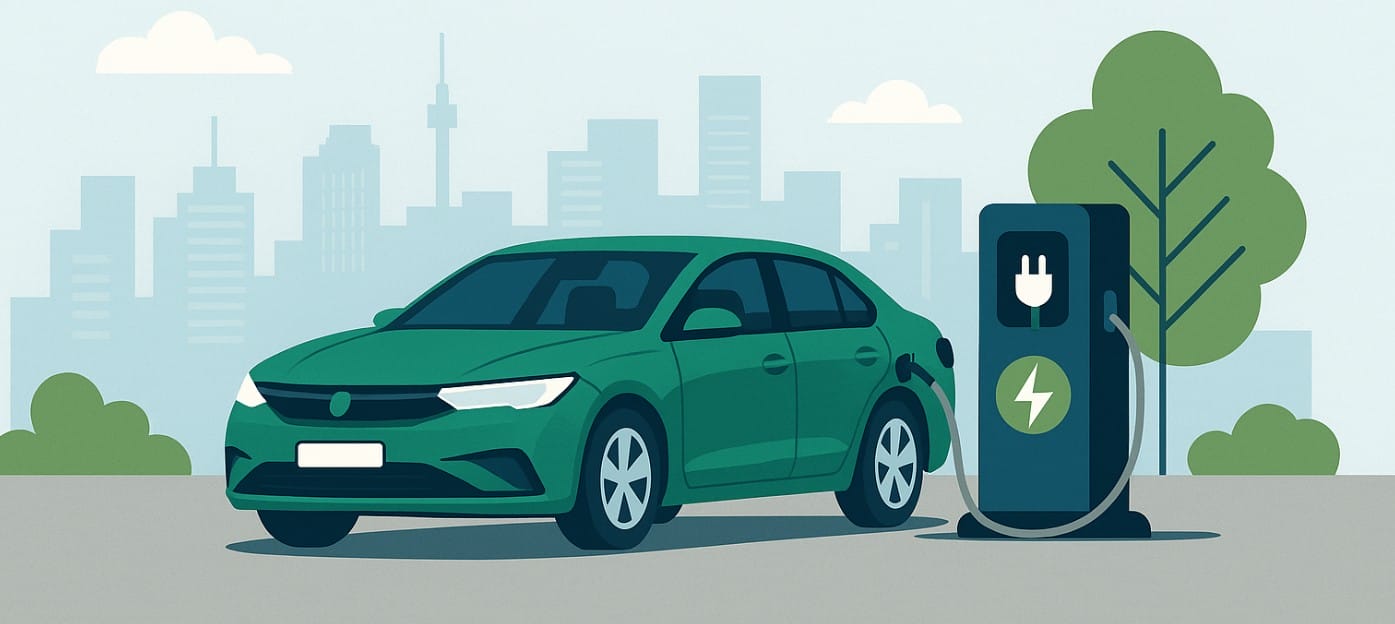
In India, petrol and diesel cars still dominate roads. But the pressure is building.
- Delhi already bans 10+ year diesel cars.
- Cities like Mumbai and Bengaluru are introducing green zones.
- Registration costs for ICE vehicles are rising faster than EVs.
- Scrappage policies will soon push old fuel cars off the road earlier than expected.
If you’re buying a new petrol or diesel car today, there’s a real risk that your vehicle will lose value, access, or both much sooner than you planned.
1. Car Refueling Is Stuck in the Past, but Charging Keeps Getting Smarter
Think about the last 20 years: petrol pumps haven’t changed.
Now look at EV charging:
- Chargers are now showing up at malls, gyms, societies, office campuses.
- Mobile apps let you track live availability, schedule a session, and pay digitally.
- Home chargers are being bundled with cars, and smart metering is on the rise.
Petrol pumps still mean queues, staff, fixed timings, and unpredictable pricing. EV charging is becoming automated, app-connected, and quietly backgrounded into daily life that’s the future.
2. Indian Cities Are Being built for a Plugged-In Future
The next decade of urban India is being planned around cleaner mobility:
- Metro station parking lots now include EV charging bays.
- Real estate projects market “EV Ready Parking” like they used to advertise elevators.
- Policy drafts in Pune, Ahmedabad, and Gurugram now treat EVs as default, not optional.
Petrol cars will still function but not with the same access, incentives, or policy support. Owning one may feel like using cash in a UPI world: not banned, just increasingly inconvenient.
3. Today’s EV Batteries Aren’t What They Used to Be And That’s a Good Thing
Old fears about electric cars short range, poor battery life, fire risk are becoming outdated:
- Most EVs now offer 250-500 km range
- Battery warranties commonly cover 6-8 years or 1.6 lakh km
- Indian recycling startups like Attero and Lohum are scaling battery recovery fast
Also, solid-state and LFP battery chemistries are improving safety and lifespan every year. You’re not locking into a risk you’re locking into a battery that’s built to last.
4. Your Car May Be Smart But It’s Not Future-Ready Without an EV Ecosystem
You may already have:
- A smart TV
- A smart fan
- A smart light
- A solar water heater
- Alexa or Google Assistant
Electric cars are designed to be part of an ecosystem:
- Integration with home energy management
- Over-the-air software updates
- App-based controls and diagnostics
- Auto-scheduling of charging during off-peak hours
Owning an electric car doesn’t just change your drive it reshapes how your home and devices interact with mobility.
5. What You’ll Regret Missing When Petrol Cars Start Getting Penalized
The tipping point won’t be loud but it’s coming:
- Higher registration and renewal fees
- Insurance costs that penalize ICE emissions
- Congestion charges in urban zones
- Eventual denial of access to certain areas (schools, hospitals, green corridors)
If you’re planning to own your car for 8-10 years, you’re not just buying a vehicle you’re buying into a category.
And that category may face increasing roadblocks just for existing.
6. Charging from the Sun: Why Solar and EVs Are Meant to Work Together
If you already have solar on your rooftop or plan to get it an electric car completes the loop.
- Charge during the day for nearly free
- Use net metering to export surplus and offset night charging
- Reduce dependence on the grid
EV + Solar + Battery storage is becoming the “smart energy triangle” for independent homeowners.
It’s also one of the only setups where your vehicle costs shrink every year instead of rising.
7. When It’s Time to Sell, Only One Type Will Still Be in Demand
Let’s say you plan to sell your car in 2031.
- Which buyer will want a 6-year-old diesel SUV in a zone where it’s not allowed to enter?
- How will you compete against EVs with certified battery health reports and online resale platforms?
New tools for used EV buyers are already being built:
- Battery diagnostics
- Service logs via mobile
- Verified resale certification
It’s not just the car that’s changing the second-hand market is evolving too, and EVs are already ahead.
8. It’s Not Just the Vehicle It’s the Direction India Is Going
Look at where momentum is building:
- NITI Aayog policy alignment for 30% EV adoption
- Bajaj, TVS, Ola Electric, Tata, Ather, Mahindra all in full production
- Local battery manufacturing under PLI schemes
- EV-specific financing and leasing from major banks
The future mobility push in India isn’t a trend it’s the infrastructure and capital blueprint of the decade. Petrol and diesel aren’t just polluting they’re losing support from every side.
9. Still On the Fence? If You Match These 5 Profiles, You Shouldn’t Wait
Electric cars already make sense for you if:
- You drive mostly within cities (under 100-150 km/day)
- You have private parking where a charger can be installed
- You already use solar or plan to
- Your employer supports EVs or offers commute perks
- You plan to keep your next car for 7+ years
If even two of those apply, an EV isn’t just a good idea it’s a smarter investment.

