
Gas Stove and Hob Maintenance – Cleaning, Burner Care & Common Mistakes to Avoid
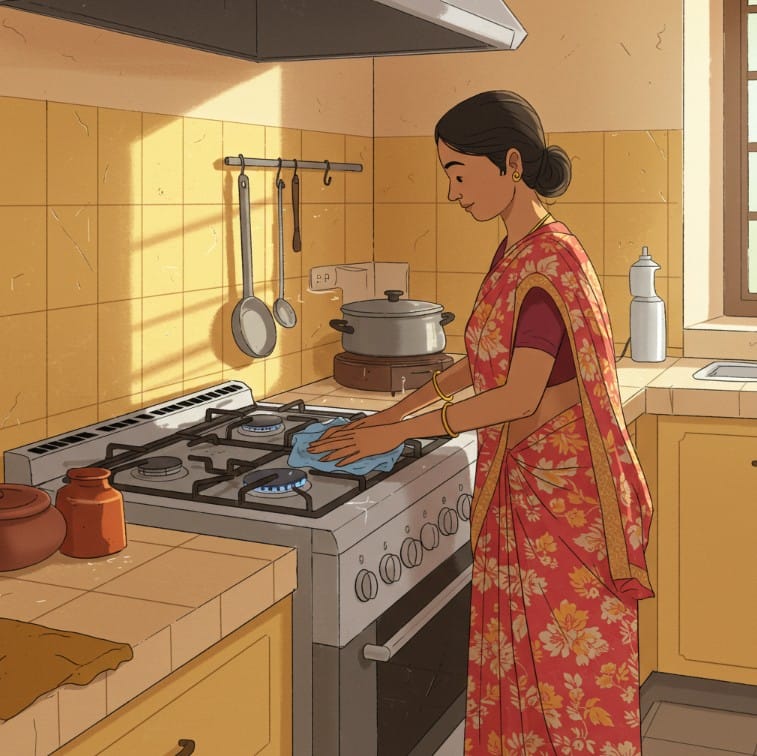
In most Indian kitchens, the gas stove or hob is used every single day often multiple times. But over time, oil splashes, food spills, and burnt stains can block the burners and reduce flame quality.
If your stove takes longer to heat, smells odd, or flames unevenly, the problem might not be the stove itself it could just be a lack of proper cleaning.
Whether you use a glass-top stove, a stainless-steel model, or a built-in hob, this guide shows you exactly how to clean and maintain it safely and effectively using everyday materials available in Indian homes.
1. Why Cleaning and Maintenance Are So Important
Cleaning your stove isn’t just about keeping it looking neat. It directly affects:
- Flame quality
- Gas usage
- Lifespan of the appliance
- Cooking speed and safety
Regular cleaning helps prevent burner clogging, gas leaks, and slow cooking all common problems in Indian homes.
2. Gas Stove vs Built-in Hob – What Changes in Maintenance?
| Feature | Gas Stove | Built-in Hob |
|---|---|---|
| Placement | Freestanding | Fixed into the kitchen counter |
| Access | Easy to move, lift, or clean below | Cleaning under is harder |
| Surface | Stainless steel or glass | Flush-mounted glass top |
| Burner parts | Fully removable | Often integrated, harder to remove |
| Gas pipe | Visible and easy to replace | Hidden under the counter |
Hobs look cleaner, but they need more delicate handling especially around ignition wires and sensors.
3. Daily Cleaning – After Cooking
After each use:
- Let the stove cool for a few minutes
- Use a soft, damp cloth with mild dish soap to wipe the top
- Remove the pan supports and clean underneath
- Wipe around the burners without letting water enter
- Dry the surface with a clean towel
- For glass tops: use a microfiber cloth to avoid streaks or scratches
- For steel tops: wipe in the direction of the grain for a cleaner finish
4. Weekly Deep Cleaning – Once Every 5–7 Days
Burners:
- Remove burner caps and rings
- Soak them in hot water with vinegar or baking soda for 15-20 minutes
- Scrub gently with a soft toothbrush
- Let all parts dry completely before reassembling
Knobs and Control Panel:
- Wipe gently with a damp cloth
- Use cotton buds to clean edges
- Never let water seep under the knobs
Surface:
- For tough stains: apply a baking soda paste, wait 10 minutes, and wipe off
- For greasy buildup: a drop of lemon juice or diluted vinegar helps
- Avoid spraying water or cleaner near electrical ignition zones
5. What to Avoid While Cleaning
| Don’t Use | Why |
|---|---|
| Harpic, acid, or toilet cleaner | Damages both steel and glass surfaces |
| Metal scrubbers or Scotch-Brite | Leaves scratches, especially on glass |
| Sharp knives or scrub tools | Can crack glass tops or damage burners |
| Direct water spraying | Can short ignition systems or loosen knobs |
| Leaving spills overnight | Leads to rust, burnt layers, hard-to-clean mess |
Always use soft cloths, mild cleaners, and dry immediately after cleaning.
6. Burner Maintenance – Keep the Flame Steady
- If the flame becomes yellow, noisy, or uneven — the burner holes are likely blocked
- Soak and brush the burner caps regularly
- Avoid poking burner holes with sharp pins or wires
- Use a dry brush to clean air vents and base rings
If cleaning doesn’t improve flame quality, consider replacing the burner cap, not the whole stove.
7. Gas Pipe and Valve Check (LPG and PNG Users)
- Inspect LPG rubber pipes monthly for cracks, stiffness, or wear
- Replace the pipe every 2 years, even if it looks fine
- Keep the area around the gas valve clean and dry
- For PNG users, check that concealed pipes are properly clipped and not bent
- Use soapy water to test for small leaks (look for bubbles)
Never ignore a faint gas smell turn off the valve immediately and call your gas provider.
8. When to Call a Technician
Don’t try to fix these on your own:
- Auto-ignition keeps clicking or doesn’t spark
- Yellow or flickering flames that don’t improve after cleaning
- Gas smell from below the counter or near the valve
- Burner takes too long to light or doesn’t stay lit
- Knobs are stuck, loose, or not aligned with flame levels
- Glass top feels hot even when not in use
Always contact your brand’s customer service or gas provider not a local repairman for safety reasons.
9. Extra Tips to Keep Your Stove Looking New
- Use a cotton cloth cover when not in use avoid plastic
- Don’t store wet dishes or cookware on top of the stove
- Don’t place hot pressure cookers directly on cold glass tops
- Clean any boiled-over milk or dal immediately before it hardens
- In hob setups, clean carefully around the flame sensor once a month
Summary – Keep Your Stove or Hob Working Like New
Keeping your gas stove or hob clean doesn’t take much effort but it makes a big difference in how long it lasts and how well it performs.
- Stick to mild soap, soft cloths, and warm water
- Avoid harsh cleaners or tools that can scratch or damage surfaces
- Soak and clean burners weekly to prevent blockages
- Check your gas pipe and valve every month
- Call a technician if anything feels off don’t try to fix ignition or gas issues yourself
A clean stove isn’t just about hygiene it means safer cooking, stronger flame, and fewer repairs.

