
LED vs QLED vs OLED: Best TV Tech for Indian Homes Explained
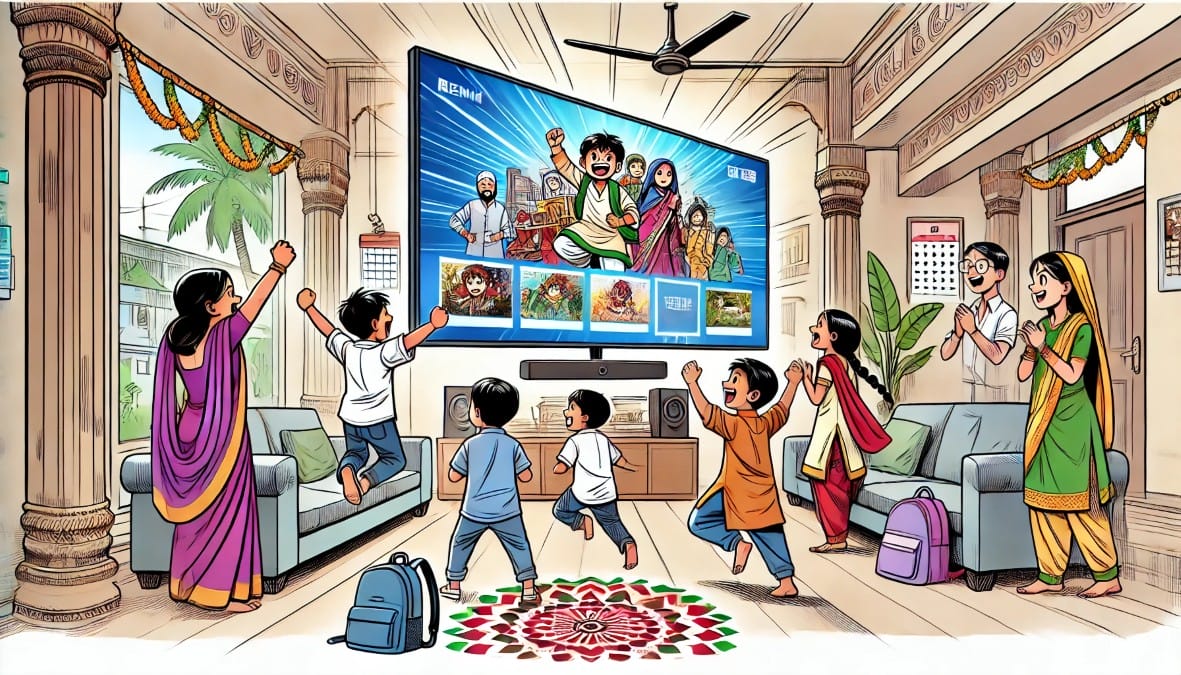
Choosing the right TV in India can feel overwhelming with so many display technologies available. Should you go with LED, QLED, or OLED? Each type offers unique advantages and the one that’s right for your home depends on how you watch, where you watch, and how much you’re planning to spend.
In this guide, you’ll understand what makes these technologies different, how they perform in typical Indian living rooms, and which one delivers the best value for your needs. Whether you’re upgrading your family TV or building a premium home setup, this post breaks it all down clearly.
1. What is LED TV?
LED (Light Emitting Diode) TVs are LCD TVs that use LED backlighting. This is the most common and affordable type available across India.
- Pros:
- Widely available in all price segments
- Energy-efficient and reliable
- Good for regular viewing in standard lighting
- Cons:
- Limited contrast levels
- Blacks may appear grey in dark rooms
Best for: General family viewing, basic streaming, and buyers with budgets under ₹25,000.
Popular brands in India: Mi, OnePlus, Realme Smart TV.
2. What is QLED TV?
QLED (Quantum Dot LED) improves on LED technology by adding a quantum dot layer to enhance color and brightness. Mostly used in mid to high-end TVs from brands like Samsung and TCL.
- Pros:
- Brighter screens—ideal for well-lit Indian homes
- Better color accuracy than LED
- No risk of image burn-in
- Cons:
- Blacks aren’t as deep as OLED
- Slightly higher energy use than LED
Best for: Bright rooms, vibrant visuals, and sports or HDR content.
Popular brands in India: Samsung, TCL
3. What is OLED TV?
OLED (Organic Light Emitting Diode) uses self-lighting pixels, meaning each pixel can turn on and off independently. This creates excellent contrast and perfect blacks.
- Pros:
- Best-in-class contrast and black levels
- Slim, premium designs
- Wide viewing angles
- Cons:
- High prices in India
- Risk of image retention with static content
- Slightly less bright than QLED in well-lit rooms
Best for: Home theatre setups, dark-room movie watching, and premium users focused on picture quality.
Popular brands in India: LG, Sony
4. LED vs QLED Vs OLED Television Comparison
| Feature | LED TVs | QLED TVs | OLED TVs |
|---|---|---|---|
| Technology | LCD with LED backlight | LCD with quantum dot layer | Self-lit organic pixels |
| Brightness | Moderate | Very High | High |
| Contrast | Average | Better than LED | Excellent (True Blacks) |
| Color Accuracy | Good | Excellent | Excellent |
| Viewing Angle | Limited | Moderate | Wide |
| Design | Standard thickness | Slim | Ultra-slim |
| Starting Price (India) | ₹15,000 | ₹35,000 | ₹80,000 |
| Burn-in Risk | No | No | Yes (minimal, with static content) |
| Power Consumption | Low | Moderate | Varies by usage |
| Best For | Budget users, general content | Bright rooms, colorful visuals | Dark rooms, premium visuals |
5. Which One Should You Choose?
If you’re on a budget
Go with LED. You’ll get decent picture quality, energy efficiency, and multiple size options under ₹25,000.
If you want brighter colors and better visuals
Choose QLED. It’s a good balance of color and brightness, especially if you watch during the day or love HDR content.
If you’re focused on the best visual experience
Pick OLED. It’s ideal for dark-room viewing, cinematic quality, and anyone setting up a premium entertainment space.
6. Additional Important Things to Check
- Room brightness: If your room gets a lot of natural light, QLED handles it better than OLED.
- Electricity use: All types are fairly efficient, but LED is the most power-saving overall.
- Content type: For static content like news tickers or games, avoid OLED due to burn-in risk.
- Brand support: Stick to brands with strong service networks in India – LG, Samsung, Sony, Xiaomi, and TCL.
7. Decide & Choose Your Perfect TV With This Table
| Your Situation | Recommended Tech |
|---|---|
| Budget under ₹25,000 | LED |
| Bright room and colorful content | QLED |
| Premium dark-room movie setup | OLED |
| Daily casual use and OTT streaming | LED or QLED |
| Wide-angle viewing for large families | OLED |
Summary – Best TV Tech for Indian Homes
Now that you know how LED, QLED, and OLED TVs compare, your decision becomes easier. If you’re looking for an affordable TV for everyday use, LED is your best bet. For brighter colors and better visuals in well-lit rooms, QLED offers a solid upgrade. And if you’re ready to invest in top-tier picture quality, OLED brings unbeatable contrast and depth—especially in darker viewing conditions.
Instead of focusing on just brand names or screen size, match your choice with how and where you watch TV. That’s how you get the best experience for your money—right here in your Indian home.

