
Inverter Battery Trends in India: Lithium Is Growing, But Lead-Acid Still Leads
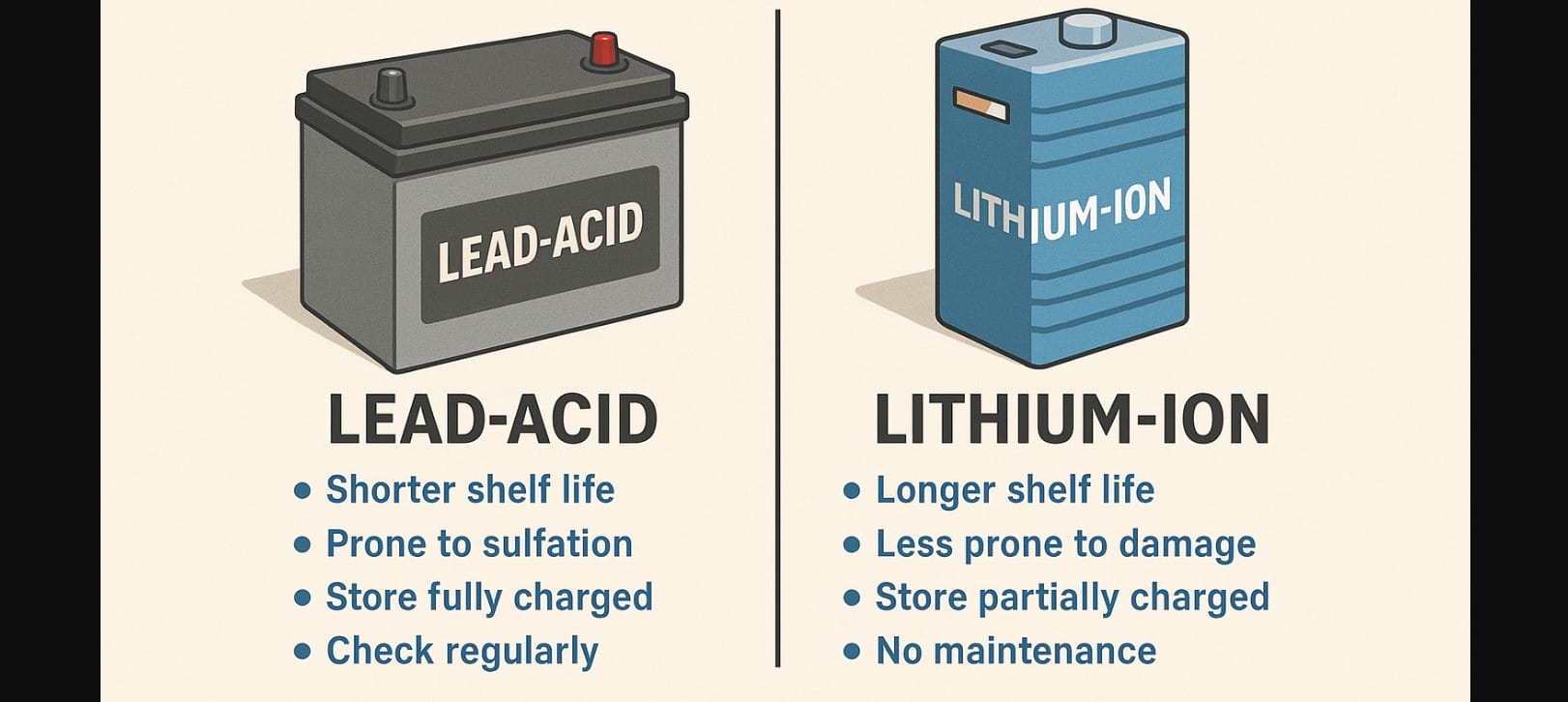
Will Lithium Ever Replace Lead-Acid in Indian Homes?
The transition to Lithium Inver Battery faces challenges like cost, infrastructure, and consumer awareness that need to be resolved before widespread adoption can happen.
Although lithium batteries cost more upfront, they can save money in the long run through lower maintenance and fewer replacements. Their environmental benefits also add to their appeal. As technology improves and costs drop, lithium batteries may become the top choice for storing and using energy in Indian homes.
1. Lead-Acid Remains the Default Inverter Battery in India
Tubular lead-acid batteries continue to power the majority of inverter systems in Indian homes. The reasons are straightforward:
- Lower upfront cost: A 150Ah lead-acid battery costs ₹13,000-₹17,000. A similar lithium-ion unit costs ₹45,000-₹60,000.
- Widespread service access: Every city and town has shops that refill, replace, and troubleshoot lead-acid batteries.
- Compatibility with existing inverters: Most installed inverter units in Indian homes are designed for lead-acid batteries.
For households looking for 2-4 hours of basic backup, lead-acid still meets expectations without requiring additional investment.
2. Lithium Inverter Battery Adoption Is Rising, But Slowly
While lead-acid is still dominant, lithium-ion batteries are beginning to find specific use cases:
Urban Homes with Solar Inverters
Lithium charges faster, stores energy more efficiently, and pairs well with daily cycling. These households see a return on higher upfront cost.
Compact Apartments and Flats
Lithium’s sealed, compact form suits under-table, shelf, or vertical mounting. No acid fumes, no open terminals, and no maintenance make it suitable for modern layouts.
Households Seeking Maintenance-Free Backup
Users who can’t or won’t monitor water levels or terminal condition prefer lithium’s sealed design and longer lifespan.
New Inverter Purchases Offering Lithium Bundles
Brands now offer inverter + lithium battery combos with native support and integrated battery management systems.
3. Why Lithium Won’t Replace Lead-Acid Yet
| Barrier | Impact |
|---|---|
| Price difference | Too large for average households |
| Inverter compatibility | Older systems may not support lithium |
| Lack of local repair options | Full replacements needed if issues arise |
| ROI delay for low-usage homes | Occasional users can’t justify cost |
| Rural adoption lag | Awareness, affordability, and access are limited |
In most non-solar homes, lead-acid batteries are replaced every 4-5 years without changing inverters. Lithium requires a full setup review and costs 3-5× more.
4. What Would Need to Change for Lithium Battery to Lead
- Prices must fall below ₹30,000 for 150Ah equivalent units
- Lithium-compatible inverters must become standard
- Service coverage must match that of lead-acid shops
- Users must cycle batteries daily to justify the higher cost
Without these conditions, lithium will remain a secondary choice rather than the new standard.
5. Lithium vs Lead-Acid Batteries – India Market Reality
| Feature | Lead-Acid | Lithium-Ion (LiFePO₄) |
|---|---|---|
| Initial Cost (150Ah) | ₹13K-₹17K | ₹45K-₹60K |
| Charging Time | 8-12 hours | 2-4 hours |
| Maintenance Required | Yes | None |
| Compatibility | Universal | Requires supported inverter |
| Service Availability | High | Limited to select brands |
| Adoption Rate (homes) | Over 90% | Growing in select cities |
6. Where Each Battery Type Make Sense
| Home Type | Battery Match |
|---|---|
| Solar-powered urban home | Lithium-Ion |
| Rural house with 2-3 cuts a week | Lead-Acid |
| Compact flat with indoor inverter | Lithium-Ion |
| Family home replacing old battery | Lead-Acid |
7. Will Your Next Inverter Battery Be Lithium?
In India, lithium-ion inverter batteries are gaining ground but only in homes with high daily usage, solar charging, or specific design needs. Lead-acid remains the default for cost, service, and compatibility reasons.
India is seeing a shift, not a replacement. The lead-acid phase isn’t over it’s still the most practical choice for most households today.

