
Full Frame DSLR Cameras in India – What You Gain, What You Spend
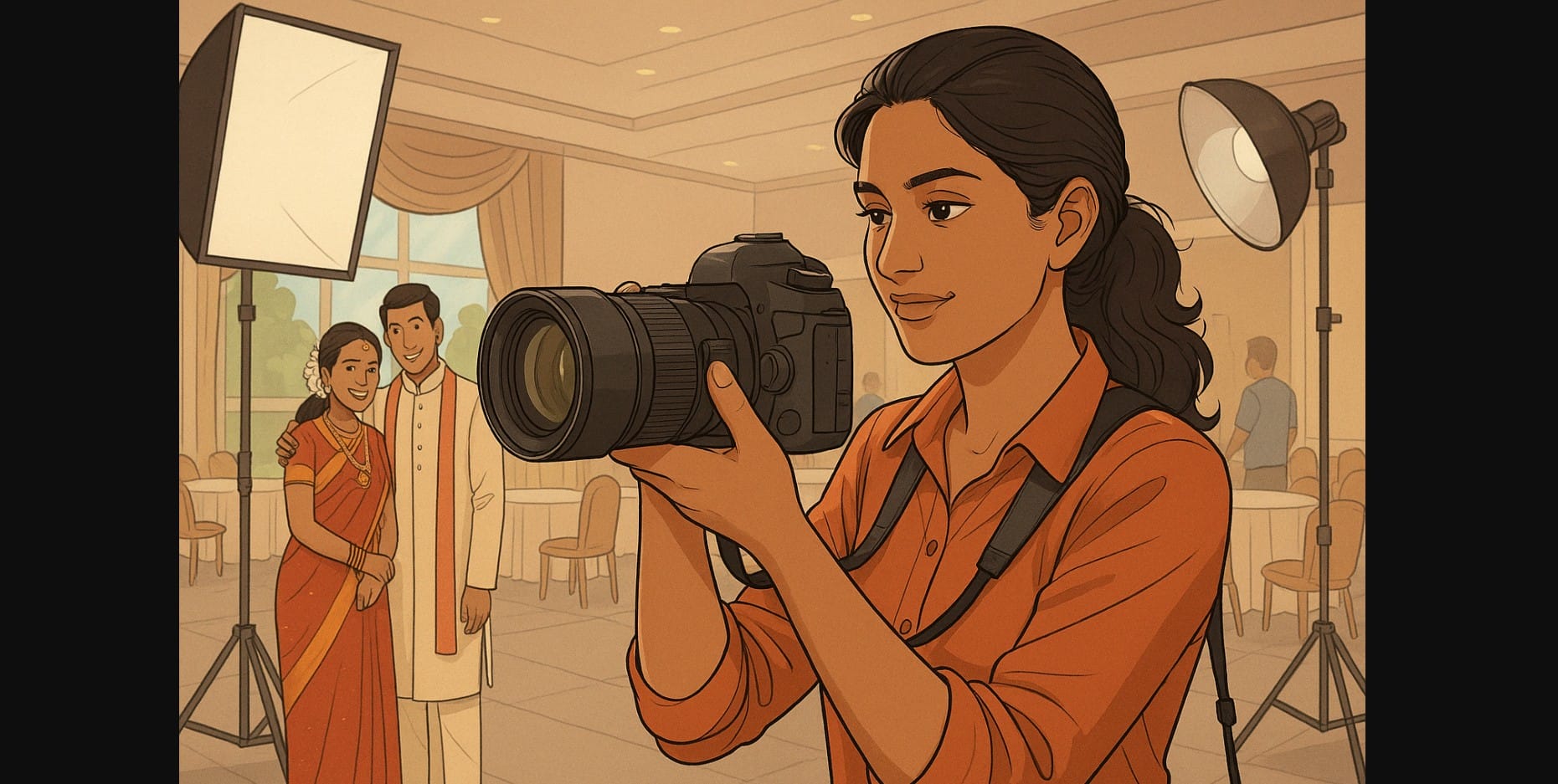
You’ve learned the ropes, upgraded lenses, maybe even done a few paid shoots. Now, you’re wondering if it’s time to take the leap into full-frame photography. In India, where camera gear is a serious investment, this question isn’t just about image quality it’s about purpose, longevity, and return.
Full-frame DSLRs are built for people who treat photography as more than a hobby. They’re reliable tools for professionals and advanced enthusiasts who shoot in tough conditions and demand precision from every frame.
1. Why Full-Frame DSLRs Are in a Different League
These cameras aren’t just larger in size they bring in more light, detail, and dynamic range, giving you the flexibility to shoot in low light, high contrast scenes, and recover details in post-production.
If you regularly shoot weddings, portraits, wildlife, or commercial projects in India, you’ll appreciate:
- Cleaner images at high ISOs
- Shallower depth of field for portrait work
- Better burst performance and autofocus tracking
- Dual card slots and faster processing
- Tougher build for heat, dust, and long hours
In short they’re made to keep up with serious work and demanding shoots.
2. Is Full Frame DSLR Worth It in India’s Real Conditions?
Let’s be honest full-frame gear is expensive in India. A new body can cost between ₹1.2-₹2 lakh, and that’s without professional lenses.
So when is it worth it?
- When you earn from photography, even part-time
- When you shoot in conditions where crop sensors struggle (low light, stage events, harsh sunlight)
- When you want to upgrade for the next 5-7 years, not just temporarily
- When you already own good lenses that will perform better on a full-frame body
For people in Delhi, Mumbai, Bangalore, Pune, Kolkata, and other cities with access to lens rentals and service support full-frame gear becomes even more practical.
3. Who Should Consider Going Full Frame in India
| Use Case | Why Full Frame Works Best |
|---|---|
| Wedding photographers | Low-light receptions, dual card backups |
| Commercial and fashion | Precise colors, dynamic range, full lens support |
| Wildlife and action | Fast AF, telephoto reach with more control |
| Portrait professionals | Better subject separation, low ISO clarity |
| Freelancers earning monthly | Gear that pays for itself over time |
If your camera is your business, full-frame gear is your long-term infrastructure.
4. What You Get for the Extra Investment
| Feature | What Makes It Worth It |
|---|---|
| Sensor quality | Higher dynamic range, better ISO clarity |
| Autofocus system | More points, better eye/face/subject tracking |
| Video output | Clean HDMI, better audio input, high bitrate files |
| Build | Weather-sealing, strong grips, long shutter life |
| System depth | Access to pro-grade lenses and accessories |
You’re not just buying a camera you’re stepping into a different ecosystem.
5. Popular Full-Frame DSLRs in India (2025)
| Brand | Model | Known For |
|---|---|---|
| Canon | 6D Mark II, EOS-1D X Mark III | Portraits, wedding video, Canon EF lens ecosystem |
| Nikon | D780, D850 | Landscape, events, excellent image retention |
These models are available new, refurbished, or second-hand through trusted dealers and used marketplaces in India.
6. Full-Frame DSLR Camera Lens
Moving to full-frame isn’t just about the body your lenses need to keep up. Plan for:
- 24-70mm f/2.8 – Event work, general use
- 70-200mm f/2.8 – Weddings, portraits, distance shots
- Prime lenses (50mm, 85mm, 35mm) – Portrait and street
- Ultra-wide (14-30mm) – Interiors, architecture
- Telephoto (300mm+) – Wildlife, sports
High-end lenses cost more but hold resale value well and are rental-ready in most Indian metros.
7. You May Not Need Full-Frame if:
- You shoot only for social media or learning
- You prefer travel-friendly gear (full-frame DSLRs are heavy)
- You don’t plan to invest in lenses or editing tools
- You shoot only occasionally and can rent gear when needed
- You’re considering mirrorless instead newer models offer similar performance in lighter bodies
8. Invest When You’re Ready to Get Serious
A full-frame DSLR is more than a purchase it’s a signal that you’re in this for the long run.
In India, it’s an investment that makes sense when your photography is becoming your career, your income, or your daily creative outlet. If you already know the limits of your current setup, and you’re ready to upgrade your results than this make sense.

