
Pure Sine Wave Inverter Buying Guide – How to Choose the Right Power Backup
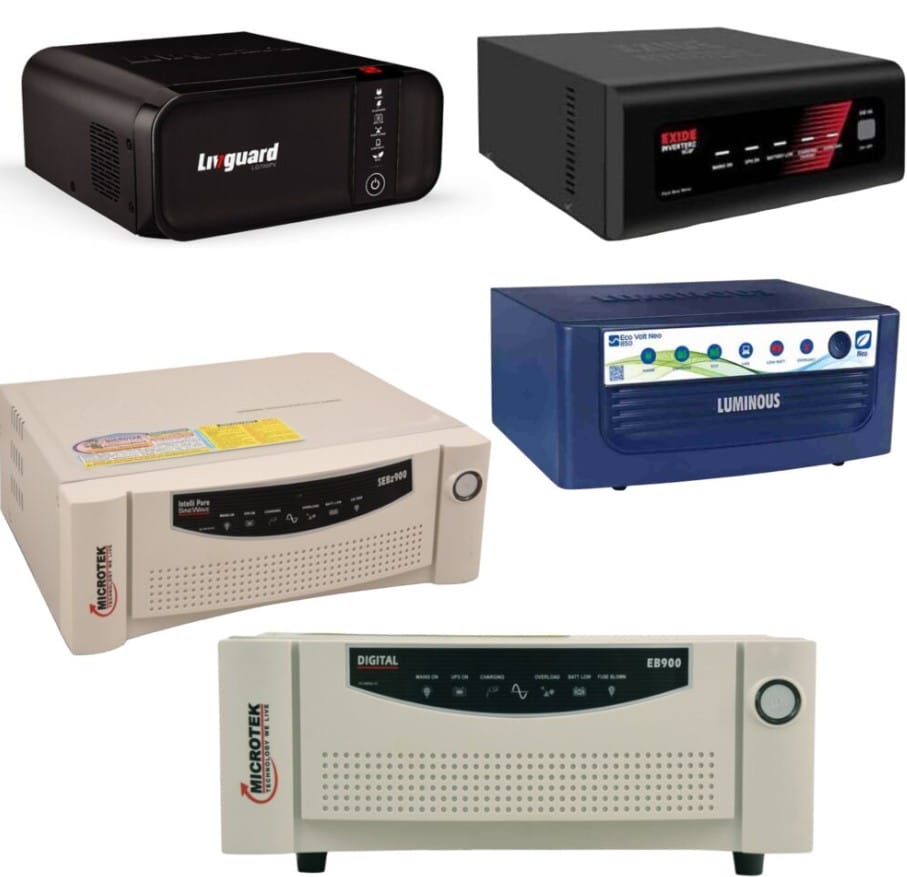
Power cuts are a common issue in India, and choosing the right inverter ensures uninterrupted electricity for your home or office. A pure sine wave inverter provides stable, high-quality power that keeps sensitive appliances running safely.
How to Choose the Ideal Inverter While Avoiding Unnecessary Expenses:
1. What is a Pure Sine Wave Inverter?
A pure sine wave inverter converts DC (battery power) into AC (electricity) with a smooth waveform that mimics grid electricity.
Benefits of Pure Sine Wave Inverters
- Safe for sensitive appliances – Laptops, LED TVs, medical equipment, refrigerators, etc.
- Stable and efficient power – Prevents overheating, improves battery life.
- Minimal noise and interference – Unlike modified sine wave inverters, they run quietly.
- Longer appliance lifespan – Reduces wear and tear on electronics.
2. Different Types of Inverters in India
| Type | Best For | Pros | Cons |
|---|---|---|---|
| Pure Sine Wave | Homes, offices, medical devices, sensitive appliances | Smooth power, no noise, safe for all devices | Slightly expensive |
| Modified Sine Wave | Basic home appliances like fans, lights | More affordable | May cause overheating, not suitable for TVs and fridges |
| Square Wave | Simple loads like motors, old fans | Cheapest option | Noisy, inefficient, can damage appliances |
Pure sine wave inverters are the best choice for homes and offices, especially for sensitive electronics.
3. How to Choose the Right Inverter – Step-by-Step Guide
Step 1: Calculate Your Power Requirement
Let’s say you need backup for:
- Two fans (70W each)
- Four LED lights (10W each)
- One TV (100W)
Total Load = (2 × 70) + (4 × 10) + 100 = 260W
Required VA = 260W ÷ 0.8 = 325VA
It is recommended to choose an inverter with at least 600VA to avoid overloading.
Step 2: Choose the Right Battery Capacity
- Lead-Acid Battery – Affordable, requires water topping.
- Tubular Battery – Long-lasting, better for frequent power cuts.
- Lithium-Ion Battery – High efficiency, maintenance-free, but expensive.
How to Calculate Backup Time – Simple Calculation
For a 150Ah, 12V battery, running a 500W load:
Backup Time = (150 × 12 × 0.8) ÷ 500 = 2.88 hours
Higher Ah means longer backup time.
Step 3: Look for Key Features
- Efficiency – Go for models with more than 90 percent efficiency.
- Digital Display – Real-time battery, load, and backup time information.
- Solar Compatibility – If you plan to integrate solar panels later.
- Smart Features – Mobile app monitoring, AI energy optimization.
4. Best Pure Sine Wave Inverter Brands in India (2025)
Here are the best brands for pure sine wave inverters:
1. Luminous
- Luminous Zelio+ 1100 (900VA, 12V) – LCD, UPS mode
- Luminous Cruze 2KVA (2000VA, 24V) – Ideal for large homes
2. Microtek
- Microtek UPS SEBz 1100 (1100VA, 12V) – LED display, energy-efficient
- Microtek Hybrid 24×7 (1500VA, 24V) – Solar-compatible
3. V-Guard
- V-Guard Prime 1150 (1000VA, 12V) – Smart LCD, battery water reminder
- V-Guard Smart Pro 1200 (1200VA, 12V) – Bluetooth and AI-enabled
4. Su-Kam
- Su-Kam Falcon Eco 1000 (1000VA, 12V) – High efficiency, digital display
- Su-Kam Brainy Eco 1100 – Hybrid solar model
5. Exide
- Exide 850VA Pure Sine Wave UPS – Fast charging, overload protection
- Exide 1450VA GQP – Silent operation, long-lasting backup
6. APC (By Schneider Electric)
- APC Home UPS BI1000I-IN – Efficient backup, premium build
5. Inverter vs. UPS: Key Differences
| Feature | Pure Sine Wave Inverter | UPS (Uninterruptible Power Supply) |
|---|---|---|
| Backup Duration | 3 to 10 hours | 5 to 30 minutes |
| Ideal For | Homes, offices, large appliances | PCs, routers, short-term backup |
| Cost | Rs. 6,000 – Rs. 30,000+ | Rs. 2,000 – Rs. 10,000+ |
If you need long-term backup, an inverter is the better choice.
6. Maintenance Tips for Longevity
- Check Water Levels (Lead-Acid Batteries) – Top up with distilled water every three to six months.
- Keep the Inverter Ventilated – Avoid overheating by placing it in an open area.
- Clean Battery Terminals – Prevent corrosion for better efficiency.
- Discharge and Recharge Batteries – Every few months if you rarely experience power cuts.
Final Buying Checklist – What to Look for?
- Right Power Capacity (VA) – Add a 20 to 30 percent safety margin.
- Battery Type and Capacity – Lead-acid (budget), tubular (durable), lithium-ion (efficient).
- Efficiency – Choose models with more than 90 percent efficiency to reduce energy waste.
- Smart Features – LCD display, Wi-Fi monitoring, solar compatibility.
- Brand and Warranty – Choose brands with at least two to five years of warranty.
In Summary
A pure sine wave inverter is the best choice for safe, reliable power backup. For budget-friendly models, choose Microtek or Exide. If you need premium smart features, go for Luminous, V-Guard, or APC.
Choose wisely and stay powered during power cuts.

