
How to Troubleshoot & Fix Common Refrigerator Issues Without a Technician
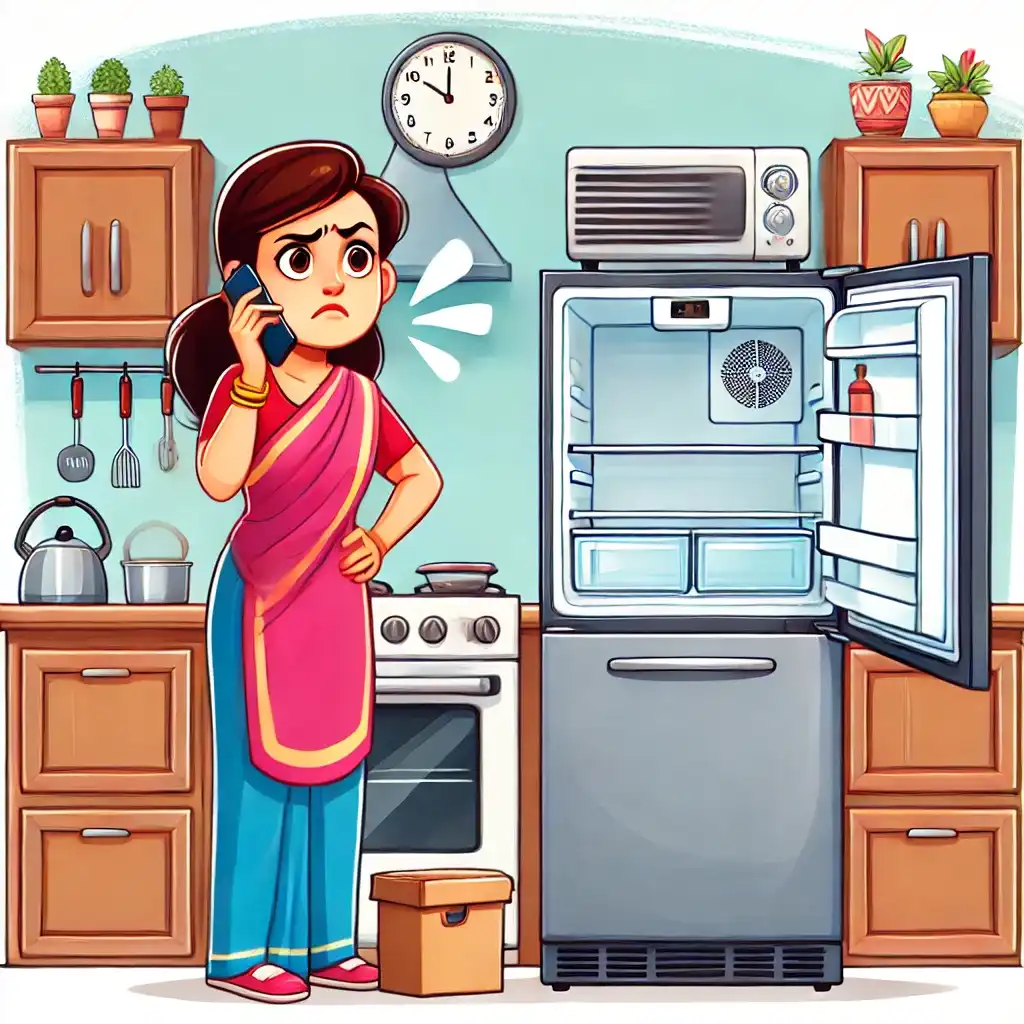
Refrigerators are one of the most used appliances in Indian households, running 24/7 to keep food fresh, store dairy products, and preserve leftovers. However, due to hot weather, frequent power cuts, and voltage fluctuations, refrigerators in India often face cooling failures, leaks, noises, and energy efficiency issues.
Why Do Refrigerators Develop Problems?
- Overloading with food items can block airflow, leading to poor cooling.
- Frequent power cuts and voltage fluctuations can damage the compressor.
- Hot weather conditions force the fridge to work harder, reducing its lifespan.
- Improper food storage habits can lead to bad odors and leaks.
This guide will help you diagnose, troubleshoot, and fix common refrigerator problems without calling a technician. Whether it’s a fridge that isn’t cooling, a noisy compressor, or water leakage, we’ll cover practical solutions for every issue.
What This Guide Covers:
By following these troubleshooting steps, you can fix minor refrigerator problems at home, avoid costly repairs, and extend the lifespan of your fridge.
1. Refrigerator Not Cooling Properly – Causes & Fixes
A refrigerator that isn’t cooling properly can cause food to spoil quickly, leading to waste and inconvenience. In Indian homes, hot weather, frequent power cuts, and improper usage are common reasons for cooling failures. Here’s how to identify and fix the issue.
Common Causes & How to Fix Them
1. Power Supply Issues
Check if the fridge is plugged in properly.
- Sometimes, the plug may be loose or not inserted correctly.
- Solution: Unplug and reinsert the plug securely.
Ensure power is reaching the refrigerator.
- A tripped circuit breaker or power outage may have cut off electricity.
- Solution: Check if other appliances are working and reset the circuit if needed.
Use a voltage stabilizer if required.
- In areas with frequent voltage fluctuations, the fridge may not function properly.
- Solution: Use a stabilizer if your model doesn’t have built-in stabilizer-free operation.
2. Incorrect Temperature Settings
Ensure the fridge is set to the right temperature.
- Fridge section: 3-4°C
- Freezer section: -18°C
Adjust the thermostat if needed.
- If food feels too warm, lower the temperature setting.
- If the fridge is freezing items, increase the temperature slightly.
Reset the fridge after a power cut.
- After a long power outage, some refrigerators need a reset.
- Solution: Turn the fridge off for 5 minutes and restart it.
3. Blocked Air Vents & Overloading
Check if food items are blocking the air vents.
- Overstuffing the fridge with vegetables, milk packets, and containers can block cold air circulation.
- Solution: Rearrange food items to allow proper airflow.
Avoid keeping too many warm items inside at once.
- Placing hot food inside the fridge increases its workload.
- Solution: Let food cool to room temperature before storing.
4. Dirty Condenser Coils (Reduces Cooling Efficiency)
Clean the condenser coils at least once every 6 months.
- Dust and dirt accumulate on the coils, making the compressor work harder.
- Solution: Use a vacuum cleaner or soft brush to remove dirt from the coils at the back or bottom of the fridge.
5. Faulty Thermostat or Defrost System
If the fridge is still not cooling properly after checking the above steps, the thermostat may be faulty.
- If the fridge is too warm even at the lowest setting, it could be a damaged thermostat.
- Solution: If basic troubleshooting doesn’t work, contact a technician to check the thermostat.
When to Call a Technician
If the fridge completely stops cooling despite trying all the above fixes, the compressor, thermostat, or cooling fan might need professional servicing.
Takeaways:
- Most cooling issues can be fixed by adjusting settings, cleaning vents, or rearranging food.
- Cleaning the coils and ensuring airflow improves efficiency.
- Power fluctuations can affect cooling—use a stabilizer if needed.
By following these troubleshooting steps, you can restore proper cooling and prevent food spoilage.
2. Freezer Works, But Fridge is Not Cooling – Causes & Fixes
Sometimes, the freezer is working fine, but the fridge section is not cooling properly. This is a common problem in Indian homes, especially in hot weather or after a power fluctuation. The freezer may be too cold, but the fridge section fails to maintain its ideal temperature (3-4°C).
Here’s how to diagnose and fix the issue.
Common Causes & How to Fix Them
1. Blocked Evaporator Fan (Airflow Restriction)
Why it happens:
- The evaporator fan blows cold air from the freezer to the fridge.
- If ice buildup or food items block the fan, the fridge won’t get enough cooling.
How to fix it:
- Open the freezer and listen for the fan sound. If it’s not running, it might be blocked.
- Solution:
- Remove excess ice buildup by defrosting the freezer for a few hours.
- Avoid overstuffing the freezer with large frozen items that block airflow.
2. Clogged Air Vents Between Freezer & Fridge
Why it happens:
- Cold air from the freezer flows into the fridge section through air vents.
- Overloading the fridge with food items can block these vents, stopping cool air circulation.
How to fix it:
- Check the fridge vents (near the back wall) and clear any obstruction.
- Keep food items at least 1-2 inches away from the vents to allow proper air circulation.
3. Faulty Defrost System (Ice Blocking the Cooling Path)
Why it happens:
- Frost-free refrigerators have an automatic defrost system that prevents ice buildup.
- If the defrost system fails, ice builds up inside the freezer, blocking cold air from reaching the fridge.
How to fix it:
- Turn off the fridge and let it defrost for 4-6 hours.
- If the issue keeps happening, the defrost timer, heater, or sensor might be faulty—you may need a technician to check it.
4. Faulty Thermostat (Incorrect Temperature Regulation)
Why it happens:
- The thermostat controls the cooling cycle. If it fails, the fridge won’t receive enough cold air.
How to fix it:
- Try adjusting the fridge temperature to a lower setting (2°C-3°C).
- If the problem persists, the thermostat may need replacement.
5. Fridge Door Not Sealing Properly
Why it happens:
- A loose or damaged door gasket lets warm air enter, reducing cooling efficiency.
How to fix it:
- Check if the fridge door is closing properly.
- Clean the rubber gasket with warm water and soap to remove dust buildup.
- If the gasket is damaged, replace it to improve sealing.
When to Call a Technician
- If the fridge is still warm despite trying all the above fixes, there may be a problem with the defrost heater, control board, or evaporator fan motor.
- A professional can diagnose and replace faulty components if needed.
Takeaways:
- Most cases can be fixed by defrosting, clearing air vents, and checking the thermostat settings.
- Avoid blocking airflow in both the fridge and freezer for better cooling.
- Cleaning the door gasket prevents air leaks that reduce cooling efficiency.
By following these simple troubleshooting steps, you can restore proper cooling in the fridge section without affecting the freezer.
3. Refrigerator Making Strange Noises – Causes & Fixes
A refrigerator typically produces a low humming sound, which is normal. However, if you notice loud buzzing, clicking, rattling, or knocking sounds, it could indicate a problem that needs attention. Indian households often experience voltage fluctuations and power cuts, which can sometimes cause unusual refrigerator noises.
Here’s how to identify and fix strange refrigerator noises.
Types of Noises & How to Fix Them
1. Humming or Buzzing Sound (Normal or Excessive?)
When it’s normal:
- A light humming noise is common as the compressor cycles on and off to maintain cooling.
When it’s a problem:
- If the humming or buzzing is louder than usual, it could be due to dirty condenser coils or a faulty compressor.
How to fix it:
- Clean the condenser coils at the back of the fridge with a soft brush or vacuum.
- Ensure the fridge is level—an uneven surface can increase vibration noises.
- If the noise persists for hours, the compressor may be struggling—a technician check-up is needed.
2. Clicking Noise (Compressor Issue)
Why it happens:
- A clicking sound every few minutes may indicate a faulty start relay or an overheating compressor.
- Frequent power fluctuations in India can damage the relay, causing it to click continuously.
How to fix it:
- Unplug the fridge for 10 minutes and restart—sometimes a reset solves the issue.
- If the fridge clicks but doesn’t cool properly, the start relay may need replacement (call a technician).
3. Rattling or Vibrating Noise (Loose Parts or Uneven Surface)
Why it happens:
- The fridge may be placed on an uneven floor, causing vibration.
- Loose objects (like bottles or utensils) inside the fridge may be shaking when the compressor runs.
How to fix it:
- Place the refrigerator on a level surface and adjust the height of its legs if needed.
- Rearrange food containers and bottles so they don’t touch each other.
- If the noise comes from the back of the fridge, check for loose screws or panels.
4. Loud Fan Noise (Ice Buildup in the Freezer)
Why it happens:
- The evaporator fan inside the freezer moves cold air into the fridge.
- If ice accumulates around the fan, it may start making a loud whirring or knocking noise.
How to fix it:
- Turn off the fridge and defrost for 4-6 hours to clear ice buildup.
- If the noise returns frequently, the defrost system may need repair (call a technician).
5. Knocking or Tapping Sound (Refrigerant Flowing Inside the Coils)
Why it happens:
- A knocking sound is usually due to the refrigerant gas flowing through the cooling coils—this is normal.
- However, if the knocking is loud and continuous, it could indicate a damaged compressor.
How to fix it:
- If the sound occurs only occasionally, it’s normal.
- If the noise persists continuously and cooling is affected, a technician should inspect the compressor.
When to Call a Technician
- If the fridge makes clicking noises and stops cooling, the compressor or start relay may need replacement.
- If loud knocking continues even after defrosting, the compressor could be failing.
- If the noise is accompanied by burning smells or sparks, unplug the fridge immediately and seek professional repair.
Takeaways:
- Most fridge noises are harmless, but unusual sounds can indicate an underlying issue.
- Regular maintenance (cleaning coils, checking fan movement, and ensuring level placement) helps prevent excessive noise.
- Power fluctuations can damage fridge components—using a voltage stabilizer can extend the lifespan of your refrigerator.
By identifying the type of noise and taking the right steps, you can fix minor issues yourself and avoid unnecessary service calls.
4. Water Leaking from the Refrigerator – Causes & Fixes
If you notice water pooling under the fridge or inside the compartments, it usually means a blocked drain hole, excess humidity, or a cracked drain pan. Indian homes, especially in humid regions, often face moisture buildup inside refrigerators. Here’s how to identify and fix water leakage issues.
Common Causes & How to Fix Them
1. Blocked Drain Hole (Most Common Cause)
Why it happens:
- Every refrigerator has a small drain hole at the back to remove excess moisture.
- Food particles, dust, or ice can block the drain, causing water to leak into the fridge.
How to fix it:
- Locate the drain hole at the back of the fridge’s lower section.
- Use a thin pipe cleaner or a small brush to clear any blockages.
- Pour warm water mixed with vinegar into the drain to flush out dirt.
2. Excess Humidity & Condensation (Especially in Monsoon Season)
Why it happens:
- High humidity levels in Indian summers and monsoons cause excess moisture inside the fridge.
- If vegetables are stored without moisture control, water droplets form inside.
How to fix it:
- Store vegetables in moisture-control bins to absorb excess humidity.
- Place silica gel packs or baking soda inside the fridge to reduce moisture buildup.
3. Cracked or Misaligned Drain Pan (Water Collects Below the Fridge)
Why it happens:
- The drain pan (under the fridge) collects excess water and allows it to evaporate.
- If the pan is cracked or misaligned, water may leak onto the floor.
How to fix it:
- Pull out the drain pan (usually located at the back or bottom of the fridge).
- If it’s cracked, replace it with a new one.
- Clean the pan to prevent bad odors and mold buildup.
4. Freezer Defrost Drain Clogged (Frost-Free Refrigerators)
Why it happens:
- Frost-free refrigerators have a defrost system that melts ice periodically.
- If the defrost drain is blocked, melted ice has nowhere to go, causing leaks inside the fridge.
How to fix it:
- Turn off the fridge and let it defrost for a few hours.
- Check for ice buildup near the drain opening in the freezer.
- Use a hairdryer on a low setting to melt any ice blocking the drain.
5. Refrigerator Door Not Sealing Properly (Causing Water Buildup)
Why it happens:
- If the fridge door doesn’t close tightly, warm air enters, creating excess condensation inside.
How to fix it:
- Inspect the rubber door gasket for dirt or cracks.
- If dirty, clean it with warm water and soap.
- If damaged, replace the gasket to ensure a tight seal.
When to Call a Technician
- If the leakage continues even after cleaning the drain hole and adjusting humidity settings, the issue may be internal (blocked pipes or sensor failure).
- If the freezer repeatedly leaks water, the defrost heater or sensor may be faulty.
Takeaways:
- Most water leaks are caused by clogged drain holes, excess humidity, or a cracked drain pan.
- Cleaning the drain hole and using moisture-control bins can prevent water buildup.
- Ensuring the door seal is intact helps maintain proper cooling and prevents condensation leaks.
By following these troubleshooting steps, you can fix water leakage issues without costly repairs.
5. Refrigerator Over-Freezing (Freezer Too Cold) – Causes & Fixes
If your freezer is colder than usual, forming excessive ice, or if the fridge section starts freezing food, it may indicate a thermostat issue, airflow blockage, or a defrost system malfunction. Indian homes, especially in humid regions, may also experience ice buildup due to excess moisture.
Here’s how to identify and fix the problem.
Common Causes & How to Fix Them
1. Thermostat Set Too Low (Most Common Issue)
Why it happens:
- If the freezer temperature is set too low (-20°C or below), excessive ice will form.
- Sometimes, after a power cut, the thermostat resets incorrectly.
How to fix it:
- Set the freezer to -18°C (ideal setting).
- If food keeps freezing in the fridge section, increase the temperature to 4°C.
2. Faulty Defrost Timer or Sensor (Frost-Free Models)
Why it happens:
- Frost-free refrigerators automatically defrost ice buildup at regular intervals.
- If the defrost timer, heater, or sensor fails, ice keeps forming inside the freezer.
How to fix it:
- Defrost the freezer manually by turning off the fridge for 4-6 hours.
- If ice builds up again within days, the defrost system may be faulty—contact a technician for repair.
3. Blocked Air Vents (Cold Air Not Circulating Properly)
Why it happens:
- If food items block the air vents, cold air gets trapped in one area, leading to over-freezing.
- Placing wet vegetables or uncovered liquids in the fridge increases ice formation.
How to fix it:
- Check if food is blocking the air vents (located near the back of the fridge).
- Keep items at least 1-2 inches away from vents to allow proper airflow.
- Cover liquids and moist foods before storing to prevent ice buildup.
4. Broken Door Seal (Cold Air Leaking Inside the Fridge)
Why it happens:
- A damaged or loose door gasket allows warm air to enter, triggering excess cooling cycles.
How to fix it:
- Close the fridge door and check if it seals tightly.
- If the door doesn’t shut properly, clean the rubber gasket or replace it if damaged.
5. Too Much Ice in the Freezer (Overloading & Ice Build-Up)
Why it happens:
- If too many frozen items block airflow, ice accumulates quickly.
- Manual defrost freezers require periodic ice removal to maintain efficiency.
How to fix it:
- If the freezer is overfilled, remove excess items to improve airflow.
- Defrost the freezer regularly if using a direct cool model.
When to Call a Technician
- If ice buildup happens frequently despite defrosting, the defrost sensor or timer may be faulty.
- If food keeps freezing in the fridge section even at normal settings, the thermostat might need replacement.
Takeaways:
- Most over-freezing issues can be solved by adjusting temperature settings and improving airflow.
- Checking for a blocked vent, a broken door seal, or excess moisture helps reduce ice buildup.
- For persistent freezing issues, the defrost system or thermostat may need professional repair.
By troubleshooting these common freezing problems, you can prevent excess ice formation and keep the fridge running efficiently.
6. Bad Odors Inside the Fridge – Causes & Fixes
A refrigerator should always smell fresh, but Indian kitchens often store strong-smelling foods like onions, garlic, masalas, and cooked leftovers, which can lead to unpleasant odors if not stored properly. Odors can also develop due to spoiled food, mold buildup, or clogged drain holes.
Here’s how to remove bad smells and keep your fridge fresh.
Common Causes & How to Fix Them
1. Spoiled or Expired Food Left Inside
Why it happens:
- Leftovers like dal, sabzi, and milk-based dishes spoil quickly in hot Indian weather.
- Expired packaged food or vegetables left too long can rot and spread bad odors.
How to fix it:
- Check your fridge weekly and throw away spoiled or expired items.
- Use transparent containers so you can easily see what’s inside.
2. Strong-Smelling Foods Stored Uncovered
Why it happens:
- Foods like onions, garlic, fish, and pickles release strong smells that spread to other food items.
How to fix it:
- Store strong-smelling foods in airtight containers.
- Wrap cut onions and garlic in foil or a container before storing.
3. Clogged Drain Hole Causing Stagnant Water (Hidden Smell Source)
Why it happens:
- A blocked drain hole can cause water to collect inside the fridge, leading to a stale, moldy smell.
How to fix it:
- Locate the drain hole at the back of the fridge and clear any blockages using warm water and vinegar.
- Clean the area with baking soda and a soft cloth.
4. Dirty Refrigerator Interior (Spilled Liquids & Stains)
Why it happens:
- Spilled milk, chutneys, or sauces leave behind stains that develop bacteria, creating a sour smell.
How to fix it:
- Clean the fridge weekly with a mix of vinegar and warm water.
- Avoid using harsh chemicals like bleach, as they leave a strong smell.
5. Moisture Buildup in the Vegetable Drawer (Rotting Smell)
Why it happens:
- Vegetables like coriander, spinach, and cabbage release moisture, leading to mold growth and foul odors.
How to fix it:
- Use paper towels or moisture-control fridge liners to absorb excess water.
- Store vegetables in breathable storage boxes instead of plastic bags.
Natural Ways to Remove Fridge Odors
- Baking Soda Method – Place an open container of baking soda inside the fridge to absorb smells.
- Charcoal Deodorizer – Activated charcoal absorbs odors without affecting food freshness.
- Lemon & Cloves – Cut a lemon in half, insert cloves, and place it in the fridge for a natural fresh scent.
- Coffee Grounds – A small bowl of coffee grounds can neutralize strong odors.
When to Call a Technician
- If the smell is coming from the back of the fridge, it could be a leaking gas issue—call a technician immediately.
- If the odor persists despite deep cleaning, there may be mold growth inside inaccessible areas of the fridge.
Takeaways:
- Most bad odors come from spoiled food, uncleaned spills, or excess moisture.
- A weekly check and cleaning routine prevents lingering smells.
- Natural deodorizers like baking soda, lemon, and charcoal keep the fridge fresh.
By following these simple cleaning and storage tips, you can keep your refrigerator odor-free and hygienic.
7. Ice Maker Not Working (For Frost-Free Models) – Causes & Fixes
Many modern frost-free refrigerators come with built-in ice makers, but they sometimes stop working or produce ice too slowly. This issue is common in Indian homes with frequent power cuts, low water pressure, or clogged ice maker lines.
Here’s how to diagnose and fix the problem.
Common Causes & How to Fix Them
1. Low Water Pressure (Affects Ice Production in Auto Ice Makers)
Why it happens:
- Auto ice makers require consistent water pressure to function properly.
- If the home’s water supply has low pressure, the ice maker won’t fill properly.
How to fix it:
- Check if other water appliances (RO filters, taps) are also slow—this indicates low supply pressure.
- If possible, connect the fridge to a direct, high-pressure water source.
2. Frozen or Clogged Water Line (Water Supply Blocked)
Why it happens:
- If the ice maker’s water line is frozen, it won’t be able to fill the ice tray.
- Dust and mineral buildup can also clog the water line, stopping ice production.
How to fix it:
- Check the ice maker water tube (behind the fridge) for ice blockages.
- If it’s frozen, defrost the fridge for 3-4 hours to allow the ice to melt.
- If water flow is slow, flush the water line with warm water and vinegar to remove blockages.
3. Ice Maker Switch is Off (Check Settings First)
Why it happens:
- Some refrigerators have a separate ON/OFF switch for the ice maker that may be accidentally turned off.
How to fix it:
- Check the control panel or manual to see if the ice maker is enabled.
- If the ice maker doesn’t turn on, the internal switch may be faulty and need repair.
4. Freezer Temperature Set Too High (Ice Not Forming Properly)
Why it happens:
- If the freezer temperature is set above -15°C, ice may form too slowly or not at all.
How to fix it:
- Lower the freezer temperature to -18°C, which is ideal for fast ice production.
5. Ice Maker is Jammed (Ice Blocks the Dispenser)
Why it happens:
- Sometimes, ice clumps together inside the tray, blocking fresh ice from forming.
How to fix it:
- Remove the ice bin and shake it gently to break up ice clumps.
- If ice is sticking together frequently, the freezer may have excess moisture—store dry food separately.
When to Call a Technician
- If ice is not forming despite checking the water supply, settings, and temperature, the ice maker motor may be faulty.
- If water leaks from the ice maker instead of forming cubes, the valve or internal pipe may be damaged.
Takeaways:
- Most ice maker problems are caused by water supply issues, clogged lines, or incorrect settings.
- Keeping the freezer at the right temperature (-18°C) ensures proper ice formation.
- If the water supply is too weak, manual ice trays may be a better alternative.
By following these simple troubleshooting steps, you can restore ice-making functionality without costly repairs.
8. Refrigerator Consuming Too Much Electricity – Causes & Fixes
Refrigerators run 24/7, making them one of the biggest power-consuming appliances in Indian homes. If your electricity bill is unexpectedly high, your fridge may be using more energy than necessary. Factors like incorrect temperature settings, old seals, or dirty coils can cause excess power consumption.
Here’s how to identify and fix high energy usage in refrigerators.
Common Causes & How to Fix Them
1. Refrigerator Temperature Set Too Low (Increases Compressor Workload)
Why it happens:
- If the fridge is set below 2°C and the freezer is below -20°C, the compressor works harder, using more electricity.
How to fix it:
- Set the fridge to 3-4°C and the freezer to -18°C (optimal settings).
- If food freezes in the fridge section, increase the temperature slightly.
2. Frequent Door Opening (Wastes Cooling Energy)
Why it happens:
- Each time the fridge door is opened, warm air enters, making the compressor work harder.
- Children and family members frequently opening the fridge for water bottles, snacks, etc., increases power use.
How to fix it:
- Minimize door openings—take out multiple items at once instead of opening the door repeatedly.
- Store frequently used items in the front section for quick access.
3. Dirty Condenser Coils (Reduces Efficiency, Increases Power Draw)
Why it happens:
- Condenser coils (located at the back or bottom) remove heat.
- Dust and dirt buildup makes the compressor work harder, using more electricity.
How to fix it:
- Clean the condenser coils every 6 months using a vacuum cleaner or soft brush.
- Ensure airflow behind the fridge by keeping at least 6 inches of space from the wall.
4. Worn-Out Door Seal (Cold Air Escaping, Compressor Overworking)
Why it happens:
- If the rubber door gasket is damaged, warm air enters the fridge, forcing the compressor to run continuously.
How to fix it:
- Test the door seal by closing a piece of paper between the door—if it slides out easily, the seal is weak.
- Clean the gasket with warm soapy water to improve sealing.
- Replace the gasket if it is cracked or torn.
5. Overloading or Empty Refrigerator (Both Waste Energy)
Why it happens:
- Too much food blocks airflow, making the fridge less efficient.
- Too little food inside makes the fridge cool empty space, wasting power.
How to fix it:
- Keep the fridge about 75% full for best energy efficiency.
- Store bottles of water in empty spaces to help maintain cooling.
6. Old or Inefficient Refrigerator Model (High Energy Consumption)
Why it happens:
- Older refrigerators (over 10 years old) use 40-60% more power than modern BEE 4-star or 5-star models.
How to fix it:
- If your fridge is more than 10-12 years old, consider upgrading to an inverter model for lower electricity bills.
- Inverter refrigerators save 30-50% electricity compared to traditional models.
How Much Electricity Can You Save?
By following these tips, you can reduce refrigerator energy use by 15-30%, saving ₹2,500–₹4,000 per year.
When to Call a Technician
- If the fridge runs continuously without stopping, the thermostat or compressor may be faulty.
- If power consumption remains high despite adjusting settings, an electrical issue may need professional inspection.
Takeaways:
- Keeping the fridge at the right temperature and minimizing door openings can reduce energy waste.
- Cleaning the coils and checking the door gasket improves efficiency and lowers electricity bills.
- Switching to an energy-efficient inverter model can cut long-term costs.
By following these simple power-saving tips, you can reduce electricity bills without compromising cooling performance.
9. Summary
While many refrigerator issues can be fixed at home, some problems require professional servicing. If your fridge stops cooling completely, makes unusual noises, or leaks gas, it’s best to call a technician before the damage worsens.
How to Find a Reliable Refrigerator Technician in India
- Check the brand’s official service center (Samsung, LG, Whirlpool, etc.).
- Use apps like UrbanClap (Urban Company), Justdial, or local repair shops with verified customer reviews.
- Ask for a warranty check if your fridge is still under the manufacturer’s coverage.

