
Robotic Vacuum Cleaners in India – Smart Helper or Just a Gimmick?
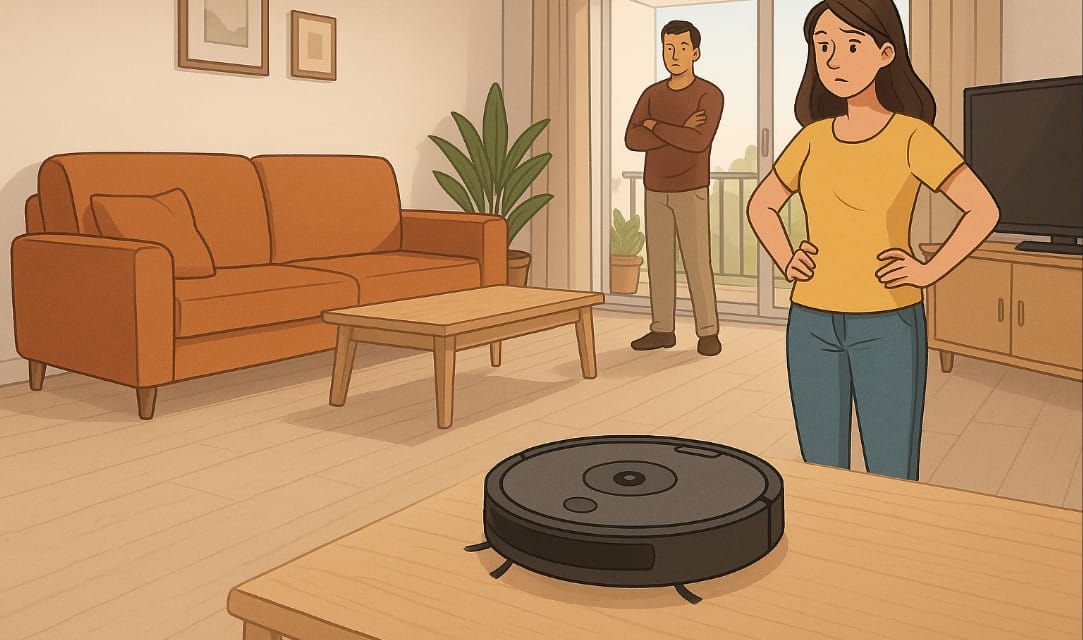
Robotic vacuum cleaners look futuristic and in India, they’ve quickly become one of the most searched home appliances. The idea is tempting: let a smart device clean your floors while you relax, work, or watch TV.
But here’s the truth: Indian homes aren’t designed like Western homes. We have tight corners, pocha routines, open balconies, and daily dust from traffic and construction. If you’re expecting a robot vacuum to replace your maid or do full mopping, you’re likely to be disappointed.
That doesn’t mean it’s useless it just means you need to understand what it can and can’t do in a real Indian household.
1. What a Robotic Vacuum Cleaner Actually Does
A robotic vacuum is a small, disc-shaped device that moves across your floor, using sensors to avoid walls, furniture, and stairs. It sweeps and vacuums dry dust using brushes and suction, then returns to its charging dock when done.
Many models now include a mopping function but that part often causes confusion.
Here’s what they actually do:
- Clean dry dust from the floor
- Navigate around most furniture
- Lightly mop using a microfiber pad and small water tank
- Follow a schedule or be activated with an app
What they don’t do:
- Clean corners perfectly
- Remove wet messes or sticky spills
- Replace pocha or clean tiled walls
- Climb stairs, enter narrow spaces, or clean sofas
2. Why Many Indians Expect Too Much
Robotic vacuums are often bought with the wrong expectations. In many Indian homes, buyers believe:
- It will replace both jhadu and pocha
- It can clean everything automatically, with no involvement
- It removes the need for a maid or daily sweeping
- Mopping mode will leave floors sanitized and spotless
The truth? They’re designed for light, daily maintenance not deep cleaning. You still need to mop, vacuum corners, and occasionally use a regular machine.
3. When a Robotic Vacuum Actually Works in Indian Homes
They can be a great help if your home setup allows it. They work well in:
- Compact flats (1BHK, 2BHK) with clear floor space
- Homes with marble or tile flooring (no thick rugs or split levels)
- Households that like to clean a little every day
- Spaces without too much clutter on the floor (no loose wires or mats)
- Families that want to clean between maid visits
- Pet owners who need help controlling daily fur buildup
In these cases, a robot vacuum saves real time and keeps your floors dust-free with little effort.
4. When It Doesn’t Fit Indian Cleaning Styles
A robotic vacuum won’t help much if:
- You live in a home with uneven floors, multiple levels, or frequent spills
- There’s clutter everywhere toys, bags, charging cables
- Your balconies get slush or heavy dust
- You clean with soap water or disinfectants every day
- You want something that can also do curtains, sofas, or ceiling corners
It’s not a multi-tool. It’s a floor sweeper with limitations and it needs a clean, flat workspace to do its job well.
5. What Robotic Mopping Actually Does
A lot of buyers in India get excited about the mopping feature. Here’s what you need to know:
- The mop attachment is a flat pad, not a rotating scrubber
- It drags a damp cloth over the floor, using very little water
- It does not use detergent or scrub away sticky mess
- You must wash the mop pad manually after each use
- It’s good for finishing touches not for cleaning kitchen stains or wet footprints
So if you expect it to replace pocha, you’ll be disappointed. But if you use it as a light daily wipe, it can help.
6. How to Use a Robot Vacuum the Right Way
To get real value from it, treat it as part of your routine not a miracle machine.
Here’s how it works best:
- Run it daily or every alternate day, not just occasionally
- Clear small clutter (bags, cables, toys) before starting
- Empty the dustbin and wash the mop pad regularly
- Let it clean one room at a time, especially if space is tight
- Keep the charging dock somewhere it can return to easily
If used properly, it becomes a reliable support tool that quietly keeps floors clean in the background.
7. Robotic Vacuum Cleaner – Battery Life, Charging, and Maintenance
| Feature | Typical Experience in India |
|---|---|
| Runtime | 90-120 mins (enough for 2-3 rooms) |
| Charging Time | 3-5 hours |
| Dustbin | Small – needs emptying every day or two |
| Mop Tank | 150-300 ml – just enough for one floor run |
| Maintenance | Clean filters, pads, brushes weekly |
| App/Controls | Some work well, others require Wi-Fi and app setup |
If you don’t clean it, its performance drops quickly and it gets noisy or inefficient.
8. Who Should Consider Buying One?
Robotic vacuums are best for:
- Working professionals in small flats
- Families that like keeping floors clean without depending on the maid
- Pet owners tired of daily hair on the floor
- Elderly users who want minimal physical effort
- People who already vacuum manually but want to reduce that load
Not ideal for:
- Families with toddlers who leave toys or snacks everywhere
- Big houses with stairs or open balconies
- People who clean only once a week
- Homes where daily pocha is a must-have
9. Questions to Ask Before Buying
- Will I use it regularly or just during festivals and weekends?
- Can my floor stay clear enough for it to navigate?
- Will someone in my house clean the bin and filter often?
- Do I see it as an extra helper or a maid replacement?
Answer honestly, and you’ll know whether it fits your lifestyle.
Summary – Smart Helper
Robotic vacuum cleaners are helpful in Indian homes but only when used with the right expectations. They’re designed for daily floor maintenance, not deep cleaning or pocha. They work best in uncluttered 1-2 BHK flats with smooth flooring and minimal obstacles.
They don’t handle wet spills, balcony dirt, or sofa cleaning. They won’t replace your maid but they can reduce how often you need one. Used correctly, a robot vacuum becomes a quiet, consistent helper that keeps dust under control and your home feeling cleaner with less effort.

