
Traditional vs. Digital: How India’s Retail is Changing
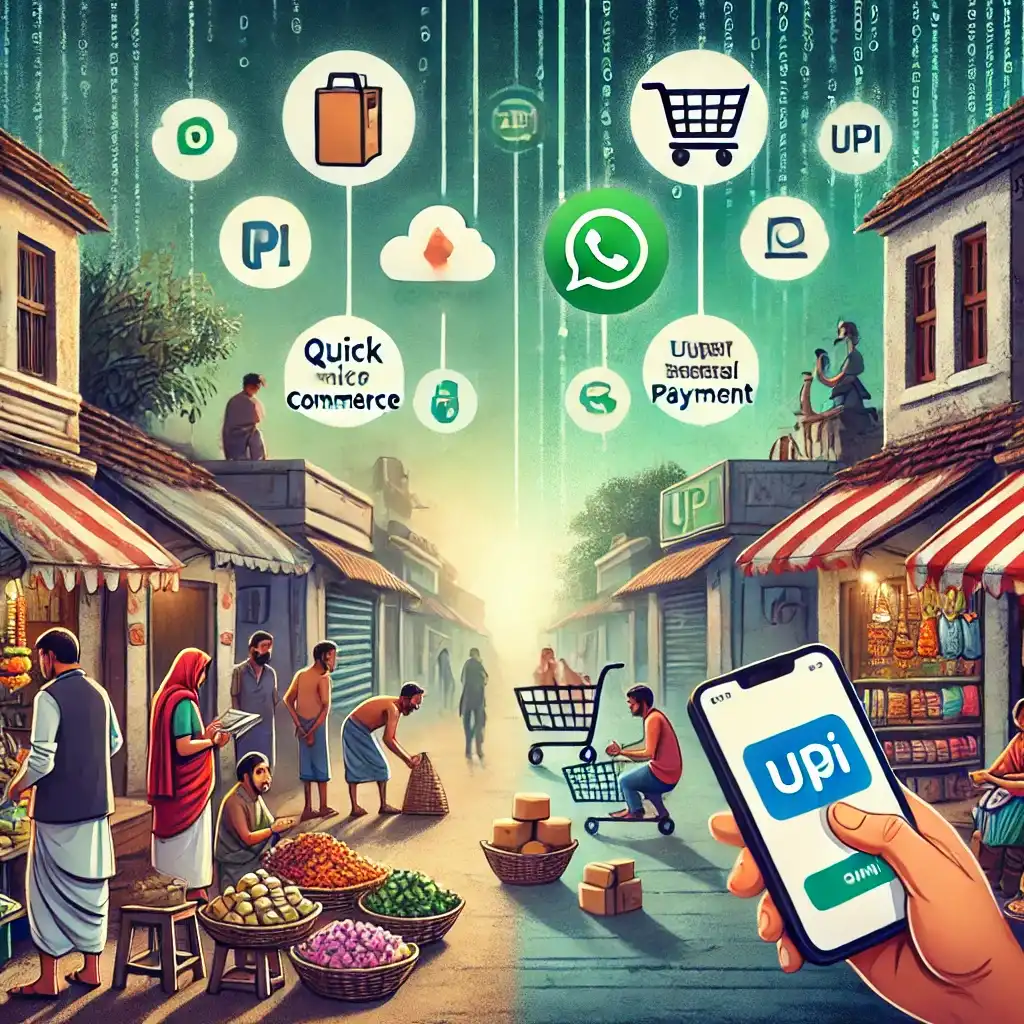
India’s e-commerce industry is evolving rapidly, reshaping the shopping experience for its vast and diverse population. While developed markets like the USA and Europe have long-established digital commerce ecosystems, India’s transformation is unique due to its traditional retail dominance, cultural shopping habits, and wide rural-urban divide.
For decades, Indians have relied on local kirana stores (neighborhood shops), physical marketplaces, and bargaining culture, making the shift to online shopping a gradual but powerful change. Today, factors like smartphone penetration, digital payments (UPI), and logistics advancements are propelling India’s e-commerce sector forward, bridging the gap between traditional and digital retail.
This article explores how Indian e-commerce is evolving, its future trajectory, key challenges, and how it compares to mature markets like the USA and Europe.
1. The Current State of India’s E-Commerce Market
As of 2024, India’s e-commerce market is valued at $147.3 billion, making up 8% of total retail sales. This share is expected to reach 14% by 2028, driven by increasing internet access and consumer adoption. In contrast, e-commerce contributes 20.1% of retail sales in the USA and 15%–18% in most European countries.
Key Drivers of Growth in India
- Smartphone & Internet Expansion – Over 850 million smartphone users and affordable data plans have made online shopping accessible, even in smaller towns and villages.
- Digital Payment Revolution – UPI transactions grew by 23.8% year-on-year, reducing dependency on cash-on-delivery (COD) and increasing trust in online payments.
- Government Initiatives – Programs like Digital India and ONDC (Open Network for Digital Commerce) are making e-commerce more inclusive by integrating local businesses and kirana stores into the digital economy.
- Growing Logistics & Last-Mile Delivery – Companies like Delhivery, Ekart, and Dunzo are improving delivery networks, ensuring faster and more reliable service, even in remote areas.
- Social Commerce & Vernacular Shopping – Platforms like Meesho and regional language apps are bringing Tier II & III city consumers into the e-commerce fold.
2. The Future of Indian E-Commerce: Trends & Forecast
Projected Growth
India’s e-commerce industry is set to reach $363.3 billion by 2030, growing at an impressive CAGR of 21.5%. This growth is fueled by:
- Tier II & III Cities Leading Growth – Nearly 60% of online shopping now comes from smaller towns rather than metros. Affordable data and regional language apps are helping bridge the digital divide.
- The Rise of Quick Commerce (10-Minute Deliveries) – Services like Blinkit, Zepto, and Swiggy Instamart have fueled a $7.1 billion quick-commerce market, up from just $300 million in 2022.
- D2C (Direct-to-Consumer) Boom – Indian brands like Mamaearth, boAt, and Wow Skin Science are bypassing marketplaces like Amazon, selling directly to consumers, and expanding global reach.
- AI & Personalization – AI-driven recommendations and regional shopping experiences are making e-commerce more personalized and user-friendly.
3. India vs. USA & Europe: How E-Commerce Differs
India’s e-commerce market, though growing rapidly, differs significantly from developed markets due to cultural, economic, and infrastructural factors.
a. Market Size & Maturity
| Factor | India | USA | Europe |
|---|---|---|---|
| E-Commerce Market Size | $147.3B (2024) | $1.16T (2024) | $632.7B (2024) |
| Share of Total Retail Sales | 8% (2024) → 14% (2028) | 20.1% | 15%–18% |
| Growth Rate (CAGR) | 21.5% (2025–2030) | ~10% | ~9% |
b. Key Differences in Consumer Behavior
| Factor | India | USA & Europe |
|---|---|---|
| Shopping Habits | Trust in kirana stores, bargaining culture | Credit card-based, online-first approach |
| Preferred Payment Mode | UPI (65% of online payments), COD (25%) | Digital wallets & credit cards |
| Brand Loyalty | Price-sensitive, prefers discounts | More brand-conscious |
| Delivery Expectations | Growth in quick commerce (15–30 min delivery) | Focus on same-day or 2-day delivery |
| Language & Shopping Experience | Multiple regional languages, WhatsApp shopping | Primarily English-based platforms |
4. Challenges Hindering Growth of Indian E-Commerce
Despite rapid expansion, India’s e-commerce sector faces significant hurdles that distinguish it from mature markets.
- Regulatory Complexities – India has strict foreign direct investment (FDI) rules, preventing global companies from holding inventory directly. Amazon and Walmart (Flipkart) must operate as marketplaces rather than direct retailers.
- Logistics & Last-Mile Connectivity – Unlike the USA, which has well-established delivery networks, India still struggles with remote delivery challenges, high costs, and traffic congestion in urban areas.
- High Cash-on-Delivery (COD) Dependency – 25% of e-commerce orders in India are still COD, leading to higher return rates and logistical inefficiencies.
- Consumer Trust & Fraud Concerns – Many first-time online shoppers hesitate due to fraud risks, fake reviews, and counterfeit products. Marketplaces are investing in AI-driven fraud detection to address this.
- Slow Adoption of E-Commerce in Rural Areas – While smartphone usage is high, many rural consumers still prefer in-person shopping due to cultural familiarity and lack of digital literacy.
5. Opportunities for the Future: How India Can Overcome These Challenges
Despite these hurdles, India has unique strengths that will shape the future of online shopping:
- Integration of Kirana Stores into E-Commerce – Platforms like JioMart and ONDC are enabling small retailers to sell online while retaining personal relationships with customers.
- AI & Regional Language Shopping – AI-powered translation tools and voice search features in Hindi, Tamil, and Telugu are making e-commerce more accessible to non-English speakers.
- Growth of WhatsApp Commerce & Social Selling – Small businesses are using WhatsApp, Instagram, and Facebook Shops to sell directly, bypassing traditional e-commerce platforms.
- Advanced Logistics & Drone Deliveries – Startups and major players are investing in drone deliveries, automated warehouses, and faster last-mile solutions.
- Government Policy Support – If regulatory restrictions on foreign players are eased, India could see greater investments in infrastructure, logistics, and product diversity.
Conclusion: The Future of Shopping in India is Hybrid
India’s e-commerce industry is not replacing traditional retail—it’s evolving alongside it. While in the USA and Europe, online shopping dominates, India’s future will likely be a mix of physical and digital commerce, where kirana stores, WhatsApp shopping, and big e-commerce giants co-exist in a tech-driven, hyper-personalized retail landscape.
For consumers, this means more convenience, competitive pricing, and access to a wider range of products. For businesses, it signals an era of innovation, competition, and digital transformation.
India is not just catching up with global e-commerce trends—it is shaping the future of how shopping will be done, blending tradition with technology like no other country in the world.

