
Comprehensive Guide to Window AC Prices in India: Features, Lifespan, and Key Considerations
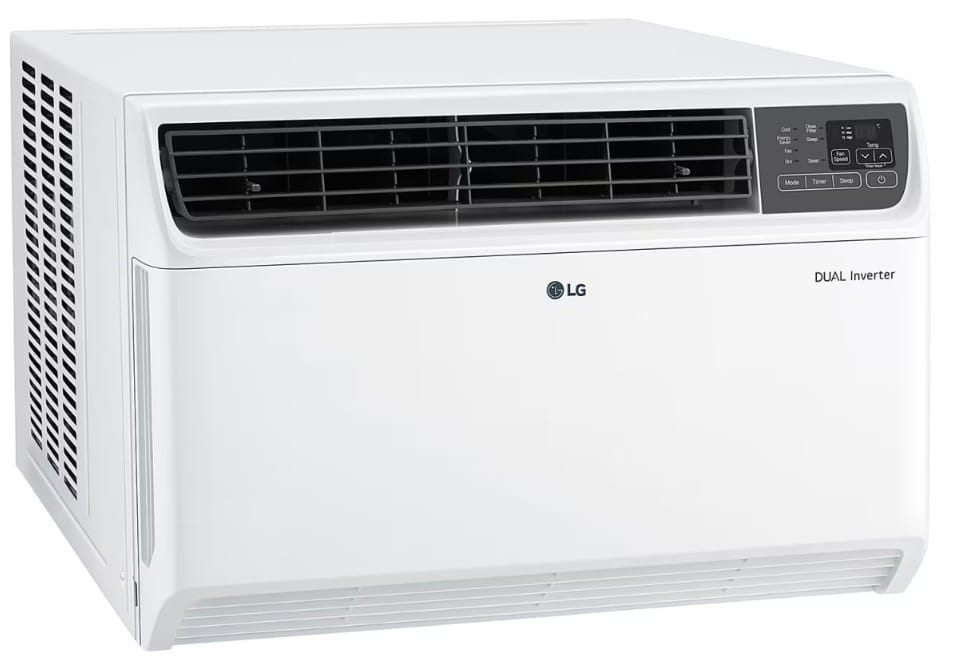
The window AC market in India is diverse, with options ranging from budget-friendly models to advanced, energy-efficient ones. Whether you’re looking to cool a small room or a larger living space, choosing the right window AC requires a good understanding of its capacity, electricity consumption, maintenance needs, and long-term costs. This guide will help you navigate through these aspects while considering the price of window ACs in India.
In this post, we will cover the price range of window air conditioners in India, factors that affect their pricing, and answer some of the most common questions related to window ACs, including energy consumption, maintenance, and health concerns.
Window AC Price in India
The price of a window air conditioner varies based on several factors such as brand, cooling capacity, star rating, and additional features. Here’s an overview of the price ranges:
1 Ton Window AC
- Price Range: ₹25,000 to ₹30,000
- Ideal for small to medium-sized rooms (up to 120 square feet).
| 1 Ton AC Price List | |
| CARRIER 1 Ton 3 Star | ₹28,590.00 |
| Godrej 1 Ton 3 Star | ₹27,385.00 |
| Lloyd 1 Ton 2 Star | ₹25,190.00 |
| Voltas 1 Ton 3 Star | ₹27,803.00 |
| O-General 1.2 Ton 3 Star with Wi-fi Connect | ₹31,040.00 |
1.5 Ton Window AC
- Price Range: ₹28,000 to ₹45,000
- Suitable for medium-sized rooms (120-180 square feet).
| 1.5 Ton AC Price List | |
| Blue Star 1.5 Ton 3 Star | ₹29,990.00 |
| Blue Star 1.5 Ton 5 Star Window Inverter AC | ₹36,490.00 |
| CARRIER 1.5 Ton 3 Star | ₹29,499.00 |
| CARRIER 1.5 Ton 5 Star Window Inverter AC | ₹37,999.00 |
| Daikin 1.5 Ton 3 Star Window Inverter AC | ₹35,990.00 |
| Godrej 1.5 Ton 3 Star | ₹26,990.00 |
| Godrej 1.5 Ton 3 Star | ₹26,990.00 |
| LG 1.5 Ton 5 Star Window AC | ₹42,990.00 |
| Lloyd 1.5 Ton 3 Star | ₹30,897.00 |
| Lloyd 1.5 Ton 5 Star | ₹34,000.00 |
| Panasonic 1.5 Ton 3 Star | ₹35,820.00 |
| Panasonic 1.5 Ton 5 Star | ₹38,810.00 |
| Voltas 1.5 Ton 3 Star | ₹29,899.00 |
| Voltas 1.5 Ton 5 Star | ₹34,690.00 |
| Voltas 1.5 Ton 5 Star Window Inverter AC | ₹35,999.00 |
2 Ton Window AC
- Price Range: ₹35,000 to ₹45,000
- Best for larger rooms (180-250 square feet).
| 2 Ton AC Price List | |
| CARRIER 2 Ton 3 Star | ₹36,450.00 |
Frequently Asked Questions about Window ACs
1. What is the Life of a Window AC?
The lifespan of a window AC typically ranges from 10 to 15 years, depending on the brand, maintenance, and usage. Regular servicing, cleaning filters, and ensuring proper installation can help extend the life of the AC.
2. How Many Square Feet Will a 1/1.5/2 Ton Window AC Cover?
- 1 Ton Window AC: Covers up to 120 square feet.
- 1.5 Ton Window AC: Covers up to 180 square feet.
- 2 Ton Window AC: Covers up to 250 square feet.
Choosing the correct tonnage ensures efficient cooling and prevents the AC from overworking, which could lead to higher electricity consumption.
3. How Much Electricity Does a 1/1.5/2 Ton AC Use Per Hour?
- 1 Ton AC: Consumes approximately 1 to 1.2 kWh per hour.
- 1.5 Ton AC: Consumes around 1.5 to 1.8 kWh per hour.
- 2 Ton AC: Consumes around 2 to 2.4 kWh per hour.
Energy consumption depends on factors such as the efficiency of the compressor, the temperature setting, and the room’s insulation.
4. What is the Monthly Bill of 1/1.5/2 Ton AC?
To calculate the monthly electricity bill, consider the following formula:
- Electricity Cost (per month) = (AC Power Consumption in kWh) x (Number of hours used per day) x (Number of days used in a month) x (Cost per kWh).
For example, if you use a 1.5-ton AC for 6 hours a day, your monthly bill might be:
- 1.5 kWh x 6 hours x 30 days x ₹6 = ₹1,620 (approx.).
5. Should I Buy a 3-Star or 5-Star AC?
A 5-star AC is more energy-efficient than a 3-star AC, resulting in lower electricity bills in the long term. If you are looking for long-term savings, a 5-star model is recommended, especially if you use the AC frequently.
6. Is It Okay to Run an AC at 28 Degrees?
Yes, setting your AC at 28°C is ideal for both energy efficiency and comfort. Running an AC at lower temperatures (e.g., 16-18°C) leads to higher energy consumption. Setting the temperature at 28°C can reduce the electricity bill and still provide adequate cooling.
7. How to Reduce Window AC Electricity Bill?
- Use the AC at higher temperatures (28-30°C).
- Ensure regular servicing to maintain peak performance.
- Close doors and windows while the AC is running to avoid cooling loss.
- Use curtains or blinds to block out direct sunlight.
- Install a ceiling fan to help circulate cool air more efficiently.
8. How Long Can Window AC Run Continuously?
A window AC can typically run continuously for 6 to 8 hours, depending on the model. However, it’s always a good idea to turn it off every few hours to give the compressor a break. Continuous operation might lead to overheating, especially in non-inverter models.
9. Window AC Impact on Health
Prolonged exposure to air conditioning can lead to:
- Dry skin and eyes due to low humidity levels.
- Respiratory issues if filters are not cleaned regularly, leading to dust and allergens circulating in the air.
- Headaches and fatigue in some people due to the cool temperature. To minimize health risks, clean your AC regularly, set the temperature at a comfortable level, and maintain proper ventilation.
10. Is Window AC Better Than Split AC? Some Facts
- Window AC is cheaper to install and requires less maintenance. It is ideal for smaller rooms and more budget-friendly. However, window ACs can be noisy and occupy window space.
- Split AC offers better aesthetics, quieter operation, and energy efficiency. It’s better for larger rooms and modern homes, but split ACs come with a higher price tag and installation complexity.
11. Why Is Window AC Not Preferred?
While window ACs are cost-effective, they are less efficient and noisier than split ACs. The bulky design and noise can be a deterrent in living spaces where aesthetics and a quiet environment are important. Additionally, window ACs require windows to be blocked, which can limit natural light and airflow.
Additional Considerations Before Buying a Window AC
Energy Efficiency Technologies
Many modern window ACs come equipped with inverter technology, which offers higher energy efficiency by adjusting the compressor speed according to the temperature needs. Inverter ACs consume less power compared to conventional models and can significantly reduce your electricity bill.
Maintenance Tips
To ensure the AC runs efficiently and lasts longer, follow these maintenance tips:
- Clean the filters every 1-2 months to prevent dust and debris buildup.
- Check the condenser coils regularly and clean them if necessary.
- Ensure the refrigerant levels are optimal for cooling efficiency.
- Get the AC serviced annually by a professional to maintain peak performance.
Noise Levels
Window ACs are generally louder than split ACs, with noise levels ranging between 50-60 dB. However, some models are designed with noise reduction technology to minimize sound. If noise is a concern, check the specific decibel rating before making a purchase.
Air Quality Features
Many window ACs come with air purification filters that can trap dust, bacteria, and allergens. Features like anti-bacterial filters and dehumidification can improve air quality, which is particularly important for people with respiratory issues.
Environmental Impact
Consider the type of refrigerants used in the AC, such as R-32 refrigerant, which has a lower Global Warming Potential (GWP) and is more eco-friendly than older refrigerants like R-22.
Dealing with Power Cuts
If you’re concerned about power interruptions, look for models with an auto-restart feature, which automatically restores the settings once the power returns, without requiring manual intervention.
Common Problems with Window ACs
Common issues with window ACs include:
- Cooling problems due to dirty filters or low refrigerant levels.
- Water leakage caused by clogged drainage pipes.
- Compressor failure due to electrical issues or improper maintenance. Basic troubleshooting can resolve some of these issues, but if the problem persists, it’s best to contact a technician.
Additional Cooling Options
If you’re looking for a more portable or affordable option, consider alternatives like portable ACs or cooling fans, which can be ideal for smaller spaces or temporary use.
Summary
When buying a window AC in India, it’s essential to consider factors like capacity, energy efficiency, and installation costs. While window ACs are an affordable option for cooling, they may not be as efficient or stylish as split ACs. However, with proper maintenance, a window AC can serve you well for many years.
To ensure you are making an informed decision, compare models based on their features and prices. Keep in mind the long-term costs like electricity bills, and choose a model that fits your room size and cooling needs.

