
Who Buys Apple Mac Desktops in India? B2B Studios vs B2C Consumers
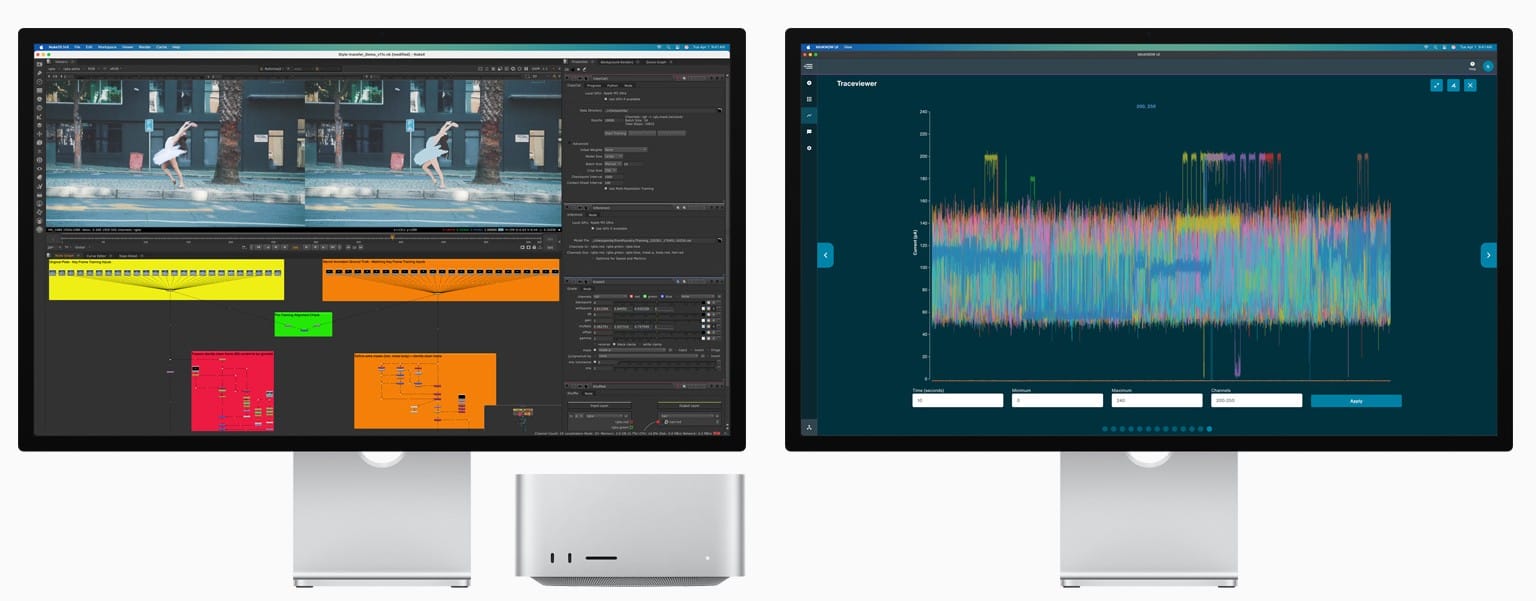
Walk into any Apple Store in Delhi, Mumbai, or Bangalore, and you’ll see crowds around MacBooks while the iMacs and Mac Studios sit quietly in the corner. On the surface, it looks like desktops are irrelevant. After all, why would someone buy a Mac Mini or iMac when a MacBook offers similar performance, plus portability and battery life?
The answer lies in who is buying and why. In India, the market for macOS desktops splits sharply between B2B enterprises that prioritize stability for creative work and B2C consumers who value design, ergonomics, or affordability through the Mac Mini. This makes the market small in volume but significant in strategic value.
For Apple, desktops represent a very different customer mindset compared to laptops. Buyers of iMacs, Mac Studios, or Mac Pros are rarely casual consumers. Instead, they tend to be deliberate, professional, and heavily invested in specific workflows where stability and screen real estate outweigh the convenience of mobility. This is why even in India, a market dominated by laptops, Apple continues to keep desktops in its product lineup.
1. B2B: Apple Desktop in India’s Professional Workflows
Apple desktops play a visible role in industries where performance, ecosystem integration, and visual quality matter:
- Creative Agencies & Media Houses: iMacs and Mac Studios power advertising design teams, video editing suites, and VFX pipelines.
- Film & Music Production: Mac Pro and Mac Studio are trusted for Logic Pro, Final Cut Pro, and audio engineering in Mumbai’s film industry and indie music studios.
- Design & Education Institutes: Universities and film schools maintain labs of iMacs, training students in editing, animation, and design software.
- Tech Startups: Some iOS-focused startups use Mac Studios or Mac Minis with large external monitors for stable multi-screen workflows.
Beyond these sectors, Apple desktops remain almost invisible in the broader Indian enterprise landscape. Banking, IT outsourcing, and government departments rely on Windows machines due to cost and compatibility. But in creative and media-focused environments, macOS desktops are deeply entrenched, often forming the backbone of production workflows. This creates a high-value but narrow slice of India’s B2B PC market.
The choice of Apple desktops in such businesses is less about fashion and more about reliability. In VFX studios or editing labs, crashes, throttling, or driver instability can delay entire projects. A Mac Studio or iMac with macOS delivers predictability in a way that many Windows desktops in India struggle to match. For businesses with tight deadlines and demanding clients, this reliability translates directly into revenue.
Moreover, institutions that use iMacs or Mac Studios often consider them long-term assets. Unlike laptops, which are frequently upgraded or replaced, desktops in Indian studios and universities often remain in service for six to eight years. This endurance helps balance the steep upfront cost, especially in a country where organizations calculate ROI carefully before investing in premium hardware.
Performance Over Portability: Why Studios Pick iMacs Instead of MacBooks
- Sustained Workloads: Mac Studio and Mac Pro handle long rendering or editing sessions without thermal throttling.
- Large Displays: The iMac’s 24-inch Retina display or external 5K monitors create ergonomic, color-accurate workspaces.
- Shared Infrastructure: Desktops can serve as centralized workstations in studios and labs, unlike personal laptops.
- Longevity: Enterprises often run iMacs and Mac Pros for 6-8 years with macOS updates, offering predictable ROI.
The difference between a MacBook and a desktop for businesses in India comes down to workflow intensity. A laptop may be powerful on paper, but under heavy use, it often heats up and slows down. For editors rendering multi-hour 4K footage or animators running simulations, the consistent thermal design of a desktop makes it a safer choice. This is why film studios and ad agencies often prefer iMacs or Mac Studios despite the allure of portability.
Another factor is the physical environment. Indian design labs and studios typically set up workstations with multiple peripherals, audio mixers, color grading panels, external storage arrays, which work more seamlessly with a desktop at the center. MacBooks, though flexible, are not always designed for being the hub of such setups. Desktops, by contrast, sit in one place and integrate better with these professional ecosystems.
Lastly, businesses in India care about life cycle costs. The ability to use the same desktop reliably for several years without major slowdowns makes desktops attractive despite their price. Laptops, while portable, tend to feel outdated sooner, especially in professional contexts where new software pushes hardware harder every year. In this way, desktops give Indian businesses a more predictable return on their investment.
Barriers in B2B Apple Mac Adoption
- High Import Duties: Devices are 20-30% more expensive in India than in the US.
- Limited Service Network: Outside major metros, Apple’s service support is thin.
- Specialized Use Cases: Adoption is mostly limited to media, design, and academia, while IT services, BFSI, and government sectors prefer Windows machines.
These challenges create natural limits to how widely Apple desktops can penetrate India’s B2B sector. Import duties push prices to levels where even large agencies hesitate, especially when Windows alternatives offer similar raw performance at a lower cost. For budget-conscious Indian enterprises, this price barrier is a real deterrent.
Service infrastructure is another issue. While Apple Care is reliable in metro cities, organizations in Tier 2 or Tier 3 locations often find it difficult to get quick replacements or repairs. For industries where downtime is expensive, this lack of service reach makes investing in Apple desktops a calculated risk.
The result is that Apple desktops in B2B remain highly concentrated in creative industries, universities, and a handful of startups. They are essential in those spaces but practically invisible outside them. This explains why Apple does not push desktops as aggressively in India as MacBooks or iPhones, instead focusing on the niches where they already hold a strong presence.
2. Apple Desktops at Home: Who Buys Them and Why
Unlike B2B, the B2C market is smaller but more diverse:
- Affluent Professionals: Doctors, lawyers, and senior executives in metros invest in iMacs as stylish home office setups.
- Apple Enthusiasts: Loyalists who want an iMac for its design or a Mac Mini as a complement to their iPhone/iPad ecosystem.
- Freelancers & Creators: YouTubers, independent designers, and musicians often adopt Mac Minis or Mac Studios for editing and production.
In urban India, the iMac has become something of a status symbol in premium home offices. Its design appeal and large display make it more than just a computer, it doubles as part of the interior decor. For professionals who want their workspace to reflect both productivity and taste, the iMac stands out compared to generic PC towers.
The Mac Mini, on the other hand, is the hidden player in India’s consumer desktop market. Its relatively lower entry price attracts freelancers and small-scale creators who want macOS power without spending ₹1.2 lakh or more. Many first-time Apple desktop users in India start with the Mac Mini, pairing it with their own monitor and accessories.
Freelancers in India’s booming content creation economy also gravitate toward desktops like the Mac Studio because they provide stability during editing, streaming, or audio production. For these users, portability is irrelevant, what matters is consistent performance and the ability to integrate with their external devices.
Bigger Screens and Lifestyle Appeal: The Logic Behind Indian iMac Purchases
- Bigger Screens: The iMac’s 24-inch display provides comfort for prolonged work-from-home setups.
- Ergonomics: Desktop layouts with external keyboards and monitors reduce strain compared to laptops.
- Lifestyle Appeal: The iMac doubles as a centerpiece in premium home offices.
- Entry Price Point: The Mac Mini (₹60,000-70,000) gives consumers a cheaper way into macOS desktops compared to a MacBook Air or Pro.
For many Indian consumers, the decision to buy an Apple desktop instead of a MacBook is influenced by lifestyle rather than pure technical logic. A MacBook can do almost everything a desktop can, but an iMac’s large Retina screen and sleek design create a completely different user experience. In homes where aesthetics matter, the iMac doubles as a design statement.
The work-from-home era also gave desktops renewed relevance. Spending long hours on a laptop can cause eye strain and posture issues. An iMac or a Mac Mini with a large monitor offers a more ergonomic setup, making it easier for professionals to balance productivity with comfort.
Finally, affordability in Apple terms plays a role. For a consumer who wants macOS but cannot stretch to buy a MacBook Pro, the Mac Mini becomes the most viable option. It allows entry into Apple’s desktop ecosystem at a price point lower than most laptops, especially when the buyer already owns a monitor and peripherals.
Why Most Buyers Still Walk Out with a MacBook Instead of an iMac
- MacBook Perception: Most buyers think a MacBook is “two devices in one”, portable and powerful.
- Gaming Limitations: macOS lacks appeal for gaming, a major driver of desktop sales in India.
- Awareness Gap: Many casual Indian buyers don’t even know the Mac Mini exists.
The dominance of MacBooks in India’s consumer psyche makes it difficult for desktops to break through. For many middle- and upper-income buyers, a MacBook represents flexibility, a single device that works at home, in cafes, or during travel. By contrast, desktops feel “fixed” and therefore less practical.
Gaming is another significant factor. The Indian youth demographic that often drives desktop purchases is drawn to gaming rigs, where Windows PCs dominate. With macOS offering limited gaming options, Apple desktops don’t naturally appeal to this large consumer base.
Awareness is perhaps the biggest challenge for the Mac Mini. Many consumers who could benefit from its pricing and flexibility don’t even know it exists, because Apple does not market it aggressively in India. This lack of visibility keeps the Mac Mini from realizing its potential in the B2C market.
3. B2B vs B2C: How Apple Desktops Split Between Business and Consumers
This contrast makes it clear that Apple desktops survive in India not because they compete head-to-head with MacBooks but because they serve very different roles across B2B and B2C. In professional studios, labs, and agencies, desktops are indispensable tools for specialized workflows. At the same time, in premium households and freelance setups, they represent either a lifestyle choice or a productivity upgrade.
What’s striking is that both markets value desktops for reasons unrelated to mobility. In B2B, the focus is on shared performance and ROI. In B2C, it’s about screen size, ergonomics, and aesthetics. In both cases, desktops serve as anchors, stable, long-lasting machines that provide unique value despite the MacBook’s overwhelming popularity.
This dual role ensures that Apple desktops remain relevant even in a market as mobility-focused as India. They may not sell in large volumes, but they retain strategic importance in contexts where portability isn’t the priority.
4. The Road Ahead: Can Apple Desktops Grow Beyond Niches in India?
The trajectory of Apple desktops in India will depend heavily on the growth of creative industries. With OTT platforms expanding, VFX studios multiplying, and digital media education gaining traction, B2B adoption of Mac Studios and iMacs is likely to rise. These devices are already entrenched in high-value workflows and will only become more essential as India produces more global-standard content.
On the consumer side, the rise of freelance creators and small studios may bring modest growth for Mac Minis and iMacs. With younger Indians entering content-driven professions like YouTube, podcasting, and indie design, desktops that offer performance stability could gain visibility. However, this growth will remain limited compared to MacBooks.
Ultimately, the Apple desktop market in India will continue to operate as a high-value niche. The numbers may be small, but the influence will be significant, particularly in creative sectors where output quality and reliability outweigh portability.
5. Apple Desktops in India: Not Mass-Market, but Purpose-Built Niches
The Indian Apple desktop story is not about volume but about purpose. These machines do not aim to compete with MacBooks in sales figures. Instead, they carve out their role in sectors and households where portability is irrelevant. In B2B, they drive India’s creative economy by supporting professional workflows. In B2C, they appeal to affluent professionals and enthusiasts who want design, comfort, or affordable entry into macOS via the Mac Mini.
This dual positioning ensures that macOS desktops, while niche, remain strategically important. They reinforce Apple’s brand as a premium, professional platform while maintaining aspirational appeal in consumer spaces.

