
Budget Battery Showdown: Zinc-Carbon or Alkaline for Your Gadgets
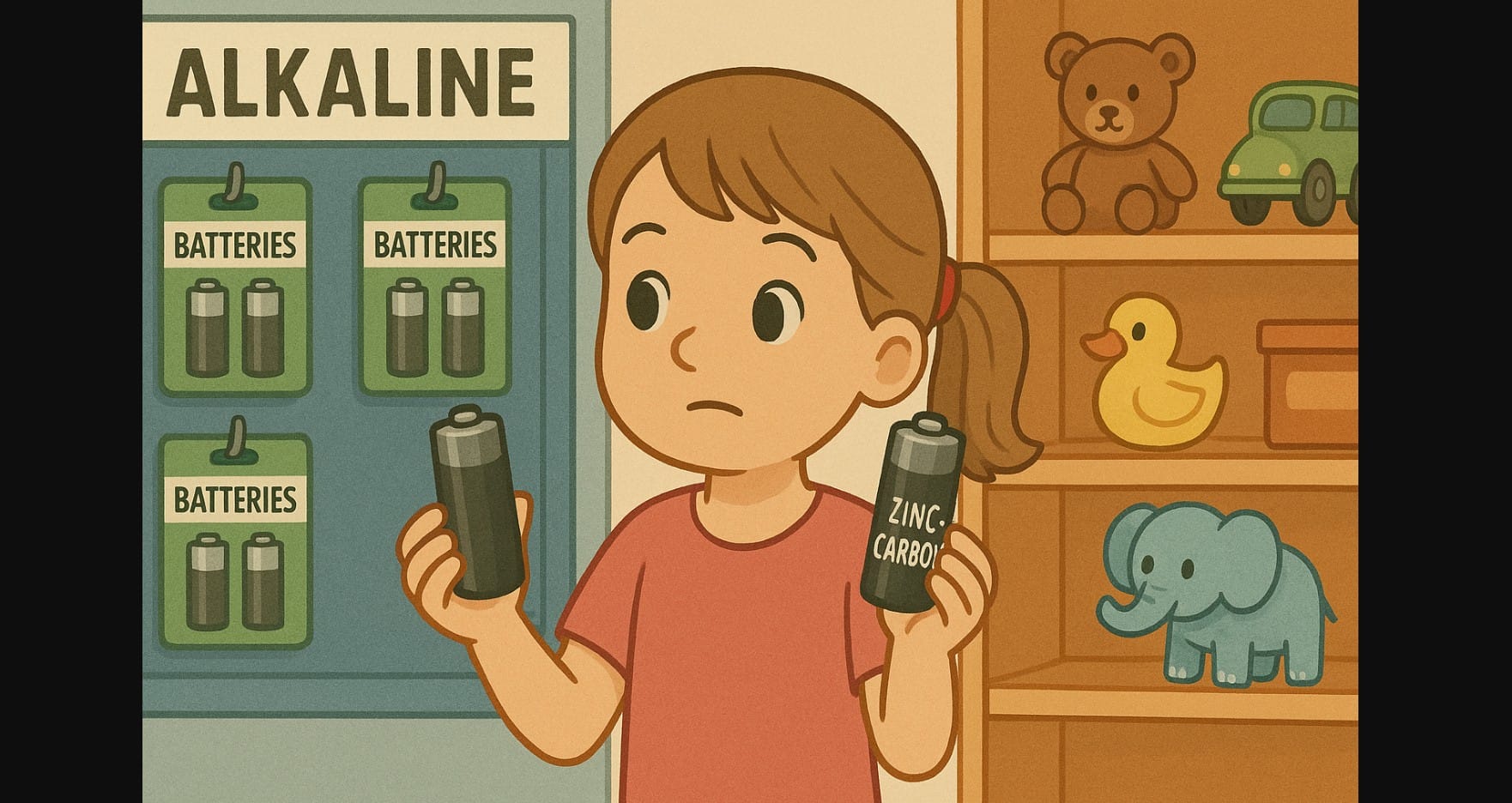
When you’re buying AA or AAA batteries in India, the decision usually comes down to two choices: zinc-carbon dry cells or alkaline batteries. The packaging might say “Extra Power,” “Heavy Duty,” or “Long Life,” but what actually matters for your wall clock or TV remote?
Let’s break down which battery truly saves you money and when each one makes more sense.
1. The Truth About Battery Value
Even in a tech-forward world, most Indian homes still use battery-powered devices like remote controls, wall clocks, toys, torches, and mosquito bats. These aren’t gadgets that need high-end power but they do need consistent performance.
The confusion begins when you see a ₹12 zinc battery next to a ₹35 alkaline one. Is the pricier option really worth it? Or is the cheaper one enough?
2. What’s Inside: Basic Tech Snapshot
Zinc-Carbon (Dry Cell)
- Cheaper upfront
- Works well in low-drain or intermittent-use devices
- Prone to voltage drop and leakage over time
Alkaline Battery
- Higher initial price
- Delivers more consistent power over a longer period
- Better for devices used frequently or for longer durations
3. Real Device Comparison: Which Battery to Use Where
Remote Controls & Wall Clocks
- Usage is light and spaced out
- Zinc-carbon performs adequately and saves money
- Alkaline lasts longer, but the extra lifespan may not be worth the price
Torches & Mosquito Bats
- Used in bursts, sometimes heavily during summers or power cuts
- Alkaline performs much better longer usage, fewer changes
- Zinc-carbon may die fast or leak if forgotten inside the device
Toys & Battery Gadgets
- Zinc-carbon is often included with low-cost toys
- Alkaline is better if the toy is used daily or drains quickly
4. How the Costs Really Add Up
Price Per Battery (India Average)
- Zinc-carbon AA: ₹10-₹15
- Alkaline AA: ₹25-₹40
Average Lifespan in Typical Use
| Device | Zinc-Carbon Battery Life | Alkaline Battery Life |
|---|---|---|
| Remote Control | 3-4 months | 9-12 months |
| Wall Clock | 6 months | 1.5 years |
| Torch (used daily) | 10-12 hours total use | 30-50 hours total use |
Cost Efficiency
- For low-use devices: Zinc-carbon is more economical
- For high-drain or frequent-use: Alkaline offers better value over time
5. Battery Availability: What You’ll Actually Find in Shops
Zinc-Carbon Still Ubiquitous
- Available in kirana shops, roadside stalls, and bundled with products
- Often the default choice in rural or small-town stores
Alkalines Are Urban and Online Staples
- Found in malls, supermarkets, electronics chains, and e-commerce
- Brands like Duracell and Energizer dominate this segment
6. Device Safety and Environmental Considerations
Leakage Risk
- Zinc-carbon more likely to leak if left inside unused gadgets
- Alkalines are safer for valuable electronics like remote controllers, grooming tools
Waste Generation
- Both are non-rechargeable and contribute to e-waste
- Alkaline needs fewer replacements, thus slightly less long-term waste
7. So, Which Battery Should You Choose?
| Scenario | Best Option |
|---|---|
| Cheap toy or disposable gadget | Zinc-Carbon |
| TV remote or wall clock | Zinc-Carbon |
| Torch, battery fan, daily-use item | Alkaline |
| Expensive or sensitive device | Alkaline |
| Rarely used backup torch or radio | Alkaline (less risk of leakage) |
8. Choose Battery Based on Use
Ignore the shiny packaging and bold promises. In India, the better battery isn’t always the more expensive one. If you’re powering a clock or remote, save your money with zinc-carbon. If it’s a torch or something you rely on every day, go for alkaline and reduce replacements.

