
Dry Cell (Zinc-Carbon) Batteries in Emergencies: India’s Low-Tech Lifeline
Smartphones, power banks, and solar lanterns dominate most survival gear checklists in India.
But when everything goes dark literally and figuratively one tool still quietly delivers power without fail: the basic zinc-carbon dry cell battery. Often overlooked in today’s tech-focused world, dry cells continue to play a critical survival role in many Indian settings from disaster zones to rural homes and off-grid travel.
1. Why Dry Cells Still Belong in Survival Kits
Simplicity Wins When the Grid Fails
You just insert them and they work. Whether it’s a torch, a fan, or a radio zinc-carbon dry cell batteries are often the first and fastest solution when the lights go out.
In India’s climate of frequent power cuts, monsoon blackouts, and seasonal disruptions, dry cells continue to serve as a first line of defense in emergencies especially in areas where lithium-based tech is unavailable.
Not Everyone Is Always Online or Plugged In
Urban India may be saturated with gadgets, but many regions especially in Northeast, Eastern, and Central India still lack consistent electricity. In such places, low-tech solutions are survival tools, and dry cells remain embedded in daily life.
2. Real-Life Survival Scenarios Where Dry Cells Deliver
Reliable Lighting in Power Outages
A battery-powered torch with zinc-carbon cells works instantly when needed no setup, no charging delay. Whether it’s a cyclone in West Bengal or a transformer failure in a Rajasthan village, this basic solution still works when modern devices fail.
Battery Radios for Alerts and Rescue Information
In states like Odisha, Assam, and Tamil Nadu, battery radios are still used for weather alerts and official disaster communication. These radios often run on two or four AA cells and are distributed in NDMA disaster preparedness kits across India.
Mosquito Bats and Mini Fans During Heatwaves or Monsoons
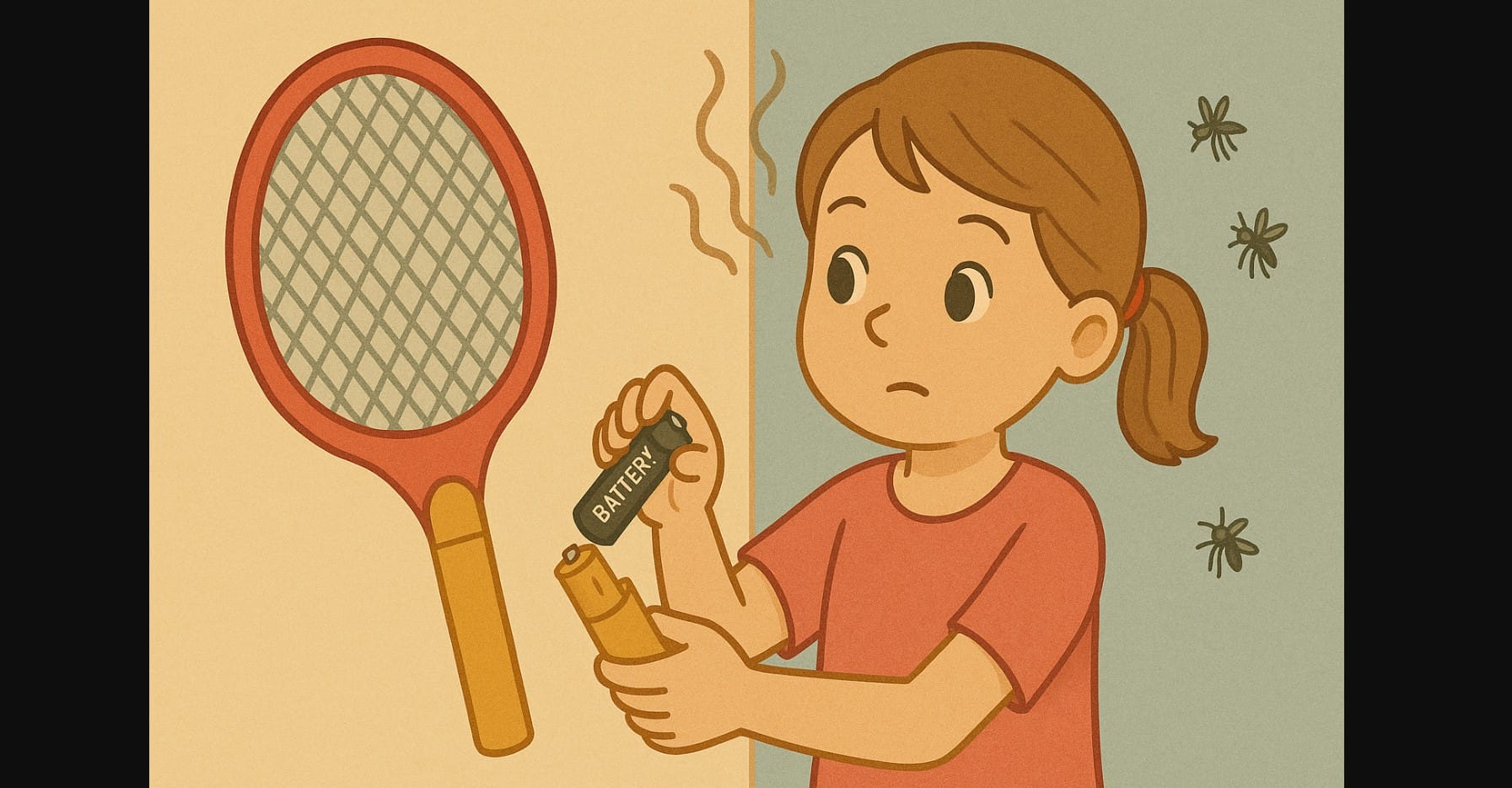
Many families use battery-operated fans and mosquito bats during the night when power goes out. These are lifelines in crowded shelters, medical camps, or rural clinics, where comfort and health protection are both vital.
3. Unconventional But Crucial Emergency Uses
Fire-Starting with Steel Wool or Foil
Yes, you can start a fire using dry cells. By shorting the terminals using steel wool or foil, you can generate sparks to light dry grass or paper. It’s not a common practice but in survival situations during a trek or pilgrimage, it can save lives.
DIY Charging for Phones or Small Devices
Using a DC boost converter and a simple connection of 4-6 AA batteries, people in off-grid regions have been known to rig makeshift phone chargers. This is a known practice during long temple yatras or in tribal areas with no grid access.
Creating Heat or Signaling in Cold or Fog
By connecting wires across a battery terminal, some emergency kits create basic hand warmers or smoke signals. This is rarely used but known in Himalayan trekking circles and rescue training camps.
4. Why Rechargeable Fall Short in Survival Mode
They Need Maintenance
Rechargeables like NiMH or lithium-ion batteries lose charge when stored. You can’t just forget them in a kit and expect them to work 8 months later. In contrast, zinc-carbon dry cells can be kept sealed and unused for up to 2 years.
Poor Performance in Cold or Damp Conditions
Lithium batteries underperform in extreme cold, and some rechargeable types fail in high humidity. Dry cells, though basic, hold up better in these inconsistent or rugged environments from Ladakh to coastal Konkan.
5. Where You’ll Still Find Dry Cells in Survival Gear in India
Government Relief Kits
State governments and the National Disaster Response Force (NDRF) include dry cells in their standard relief kits paired with torches and radios especially in flood-prone and cyclone-affected regions.
Pilgrimage Travel and Temple Yatras
During pilgrimages like Amarnath Yatra, Kedarnath, or Vaishno Devi, travelers carry dry cell torches and fans. Many stalls sell AA/AAA packs along the route because electricity is limited or unreliable in these zones.
Rural Clinics and Field Medical Camps
Some portable health tools still use AA cells like manual BP monitors with digital readouts, blood sugar meters, and portable thermometers. Dry cells are stocked because there’s no guarantee of grid or solar access.
6. How to Store Dry Cells for Emergency Use
- Keep sealed in zip-lock bags or dry containers
- Store away from metal or foil to avoid accidental discharge
- Label and rotate stock once every 12-18 months
- Never leave old dry cells inside devices they may leak and damage the unit
7. Dry Cell Batteries Keep Rural India Going
In a world obsessed with apps, cables, and lithium, it’s easy to ignore the quiet reliability of dry cell batteries. But from rural Rajasthan to cyclone-hit Bengal, and from off-grid travelers to elderly households, these humble power packs continue to light, cool, protect, and connect.
For India’s urban and remote areas, zinc-carbon batteries are still important.

