
Business Desktop Computers in India: Enterprise Use and Key Security Features Explained
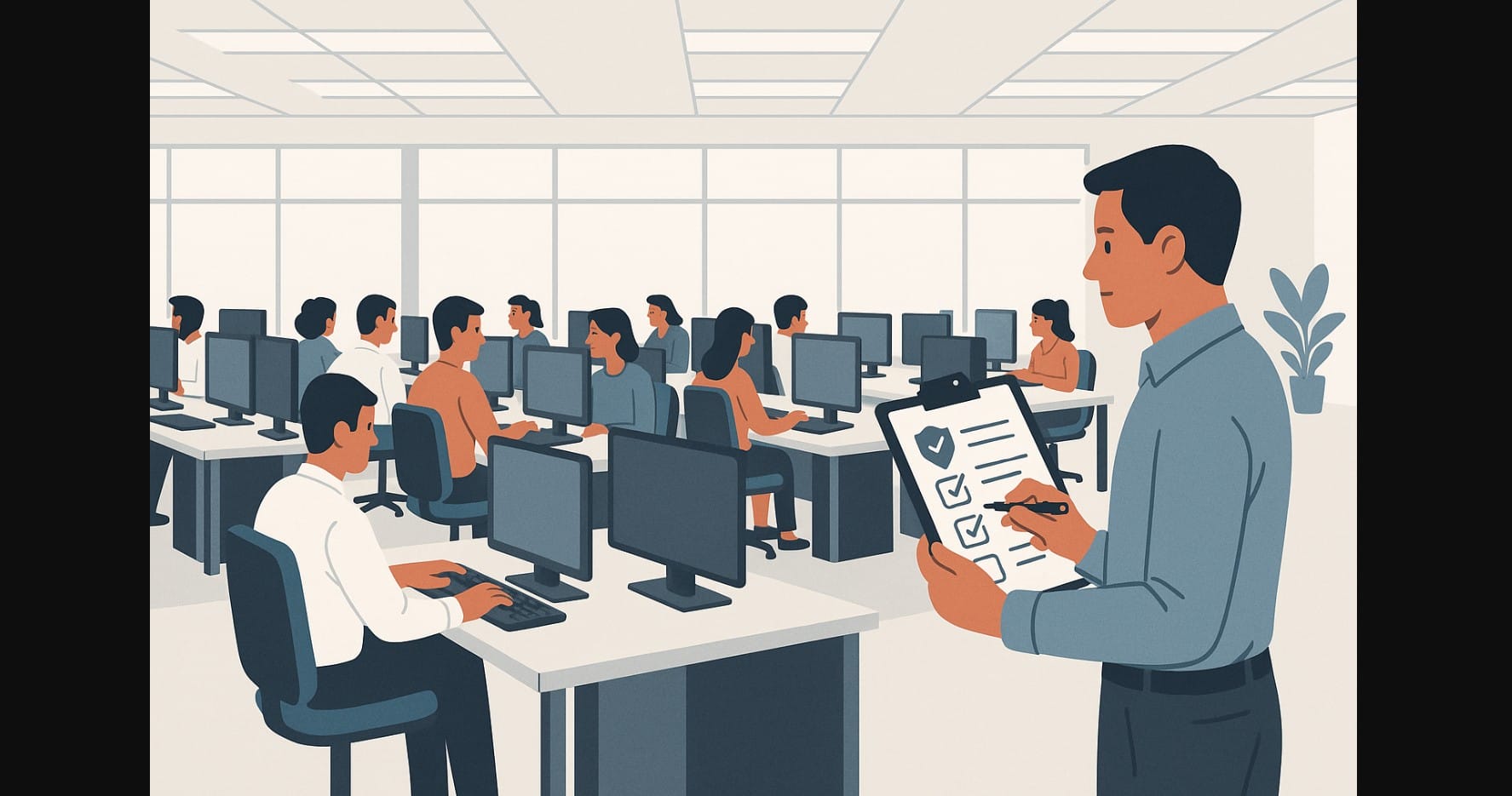
In most consumer conversations, desktop pc are seen as outdated compared to sleek laptops. But inside India’s banks, government offices, IT parks, and universities, desktops remain the backbone of day-to-day operations. These aren’t ordinary home computers, they are business-class machines built for stability, standardization, and security.
What sets the enterprise market apart in India is the scale and sensitivity of use. A single government tender may involve tens of thousands of desktops deployed across tax offices or e-governance centers. A large IT outsourcing firm might maintain rows of secure desktops in technology parks, each connected to client networks that handle financial data or healthcare records. In such environments, hardware-level security isn’t an optional feature, it’s the foundation of trust and compliance.
As India enforces stricter data protection laws and enterprises face mounting cybersecurity risks, business desktops are no longer sold on performance alone. Their relevance lies in how well they meet compliance standards, integrate with enterprise security systems, and protect sensitive data against internal and external threats. In sectors where a data breach can lead to regulatory penalties or reputational damage, desktops with certified security features are non-negotiable.
1. The Enterprise/Corporate Sectors That Keep India’s Desktop PC Market Alive
The business desktop computer market in India is not driven by individual buyers but by large institutional segments that purchase in bulk, often through formal tenders. These organizations place stability, long-term support, and compliance above raw performance.
Banking and Financial Services (BFSI)
Public sector banks, private lenders, and insurance companies account for some of the largest desktop deployments. The Reserve Bank of India’s cybersecurity framework makes secure endpoints mandatory, pushing these institutions toward desktops equipped with TPM modules, BIOS protection, and encrypted drives.
Government and Public Administration
Ministries, tax offices, municipal corporations, and e-governance service centers procure desktops that meet CERT-In advisories and carry BIS certification. For government projects, compliance is often listed as a non-negotiable requirement in the procurement tender itself.
IT Outsourcing and Technology Parks
Large firms like Infosys, TCS, and Wipro manage tens of thousands of desktops across multiple campuses. For them, the priority is standardization and remote manageability. Intel vPro or AMD PRO-enabled desktops are attractive because IT administrators can monitor, secure, and troubleshoot devices without physical intervention.
Education and Research Institutions
Universities, state-funded digital classrooms, and IIT/NIT research labs are emerging buyers. They look for a balance between affordability and essential protections like secure boot and USB port management, especially as AI and coding labs expand.
Across these sectors, the conversation has moved beyond whether desktops are needed. The real question is: which models deliver the right mix of compliance, security, and lifecycle management for enterprise-scale deployment in India?
2. When IT Compliance Matters More Than Speed
In India’s enterprise IT environment, desktops are no longer judged only by how powerful or cost-efficient they are. The focus has shifted toward security-first procurement, driven by both regulation and real-world risks.
Regulatory Pressure
With the Digital Personal Data Protection Act (2023) now in place, along with CERT-In directives and RBI’s cybersecurity guidelines, enterprises are under legal obligation to strengthen endpoint security. Compliance is no longer optional, it directly influences procurement decisions.
Evolving Threat Landscape
Attacks are becoming more sophisticated, targeting not just operating systems but also firmware and BIOS layers. Insider data leaks, ransomware incidents, and supply chain vulnerabilities have shown that unsecured endpoints can compromise entire networks.
Procurement Standards
Government and enterprise tenders increasingly mandate hardware-level protections, such as TPM 2.0 for encryption and authentication, secure boot with BIOS lock, and self-encrypting drives. Vendors who cannot demonstrate these capabilities are typically excluded from consideration.
For Indian enterprises, this makes security features a baseline requirement. A desktop without built-in safeguards isn’t viewed as a budget option, it’s seen as an unacceptable risk.
3. Inside the Security Stack of an Enterprise-Grade Desktop
Unlike consumer desktops, which often emphasize raw performance or design, business desktops are engineered with layered security mechanisms that protect sensitive data and ensure compliance with enterprise standards. These safeguards extend far beyond antivirus software and are built directly into hardware and firmware.
Trusted Platform Module (TPM 2.0)
A TPM chip is a dedicated piece of hardware that securely stores cryptographic keys. In practice, this means that authentication credentials, encryption keys, and certificates are shielded from software-based attacks. For Indian enterprises migrating to Windows 11, TPM 2.0 isn’t just recommended, it is mandatory, making it a baseline requirement for government and banking tenders.
Secure Boot and BIOS Locking
Many attacks now target the boot process, loading malicious code before the operating system even starts. Secure Boot ensures that only verified firmware and OS components can initialize, blocking rootkits and unauthorized firmware. BIOS passwords and firmware locking add an additional layer, preventing tampering by unauthorized staff or malicious insiders.
Intel vPro and AMD PRO Platforms
These enterprise platforms integrate both security and manageability. With Intel vPro, IT admins can remotely isolate a compromised system, update firmware, or even disable ports without physical access. AMD PRO offers similar capabilities, along with memory encryption through AMD Memory Guard. For firms like Infosys or Wipro, managing thousands of desktops across campuses, these features reduce downtime and protect against breaches.
Self-Encrypting Drives (SEDs)
Even if a laptop or desktop drive is physically stolen, SEDs ensure that data remains inaccessible without proper authentication. The encryption happens at the hardware level, which means it’s faster, seamless for users, and far more resistant to attacks compared to software-only encryption. This is particularly crucial for BFSI and government use, where data at rest must remain secure under compliance rules.
Physical Safeguards
Enterprise desktops often include chassis intrusion detection, which alerts IT teams if the case is opened without authorization. Lock slots, such as Kensington locks, allow machines to be physically secured in offices or public service centers, reducing the risk of theft or tampering.
Port Management
In many Indian offices, data exfiltration through USB drives or infection through unauthorized peripherals is a serious risk. Business desktops can restrict or disable USB ports entirely, or allow only authorized devices to connect. This prevents malware infections and protects against insider leaks.
Together, these features form a multi-layered defense strategy, hardware security at the chip level, firmware protections at boot, management tools for IT teams, encryption for data, and physical safeguards for office environments. They aren’t optional extras; they are part of the procurement checklist in banks, government offices, and IT parks. For CIOs, the real value of a business desktop lies not in how fast it runs, but in how reliably it defends against threats and meets compliance requirements.
4. The Role of “Make in India” – How Local Assembly Became a Security Advantage
The market for business desktops in India is closely tied to industrial policy. Government procurement rules often go beyond performance and security, they now emphasize local sourcing and assembly as part of the country’s broader digital infrastructure strategy.
Local Assembly Requirements
Many government tenders specify that desktops must be manufactured or assembled within India. This ensures not only compliance with BIS (Bureau of Indian Standards) certification but also helps track the supply chain for authenticity and security. As a result, global OEMs like HP, Dell, and Lenovo have expanded their Indian facilities to cater specifically to enterprise and government contracts. These factories in Tamil Nadu, Andhra Pradesh, and elsewhere assemble systems that are both globally standardized and locally certified.
Impact of the PLI Scheme
The Production Linked Incentive (PLI) scheme for IT hardware is designed to strengthen domestic manufacturing. For business desktops, this means that a growing proportion of enterprise-grade machines used in banks, IT parks, and government offices are assembled locally rather than imported. This shift improves supply reliability, reduces dependence on foreign supply chains, and helps lower the lead time for bulk deployments.
Security and Sovereignty Angle
Local assembly is not just about economics. For critical sectors like defense, banking, and citizen services, relying on desktops imported fully from overseas raises concerns about supply chain integrity. By mandating local production, India reduces the risk of hidden vulnerabilities and strengthens control over the hardware entering sensitive networks.
Broader Outlook
Looking ahead, “Make in India” could become a strategic driver of secure computing infrastructure. With the government investing in semiconductor fabs and AI-ready hardware ecosystems, locally produced desktops may soon incorporate more India-specific security features. Over time, this could make India not only a consumer market for secure business desktops but also an exporter of compliance-ready IT hardware to other regions.
In short, “Make in India” doesn’t just change where business desktops are built, it redefines the supply chain, security assurance, and self-reliance of India’s enterprise IT ecosystem. For enterprises, it translates into faster delivery, consistent standards, and the assurance that their machines are aligned with national compliance frameworks.
5. From Banks to E-Governance: How India Buys Secure Desktops
- Banking Sector: When PSU banks rolled out desktops across thousands of branches, TPM-enabled machines with BIOS security became mandatory for every purchase.
- E-Governance Projects: State governments deploying desktops for citizen services have required secure boot and USB lock features to protect data at public service centers.
- IT Outsourcing: Firms handling global client data often insist on Intel vPro-enabled machines, allowing IT teams to monitor and isolate compromised systems remotely.
These aren’t niche demands, they reflect the mainstream procurement standards for business desktops in India.
6. Looking Ahead: Security Will Decide Desktop Contracts in India
The next phase of the enterprise desktop market in India won’t be decided by raw specifications like processor speed or storage. Instead, security will emerge as the decisive feature that separates one OEM from another. As regulations tighten and enterprises become more cautious, desktops that demonstrate stronger compliance and resilience will have a clear edge in procurement.
From Checkbox to Core Requirement
In the past, features like TPM or secure boot were often bundled quietly into machines. By 2026, these will no longer be hidden line items. Banks, government agencies, and outsourcing firms will evaluate vendors based on how well their security features integrate into existing compliance frameworks such as the Digital Personal Data Protection Act and RBI’s cybersecurity guidelines.
Localized Security Configurations
OEMs serving the Indian market are likely to introduce desktops with region-specific firmware settings, BIS-certified builds, and tailored endpoint management suites. For example, a PSU bank may demand machines with preconfigured BIOS restrictions and USB port lockdowns, while an IT services firm might prioritize remote patch management across campuses.
Long-Term Value Through Updates
Hardware durability has always been a selling point for desktops, but by 2026, firmware and patch support lifecycles will matter just as much. Enterprises will lean toward vendors offering multi-year security update guarantees, ensuring machines remain compliant with evolving regulatory standards throughout their lifespan.
SME Adoption Shifts
Small and medium enterprises (SMEs) in India, which have traditionally focused on cost over compliance, will be pushed toward secure desktops as they handle more sensitive customer data and integrate with larger corporate supply chains. Affordable models with baseline security features (TPM, encrypted drives, intrusion alerts) will open up a new segment of the market.
Competitive Differentiation Among OEMs
By 2026, when Dell, HP, or Lenovo pitch for large government or corporate contracts, the depth and adaptability of their security features may matter more than minor differences in hardware specifications. Security will become a procurement-level differentiator, not an afterthought.
In essence, the business desktop of 2026 in India won’t be judged only by speed or price. It will be judged by how effectively it can defend sensitive data, comply with national standards, and integrate into enterprise-wide security strategies. For OEMs, security isn’t just a technical feature anymore, it’s the deciding factor for market leadership.
Conclusion: In India’s Enterprise Market, Trust Is the New Benchmark
In India’s enterprise market, desktops aren’t relics of the past, they are critical endpoints in industries where uptime, compliance, and data protection are paramount. Whether it’s a bank safeguarding financial transactions or an IT firm meeting global compliance standards, the business desktop has evolved into a secure infrastructure device rather than just a workstation.
The future of this market won’t be decided by how slim or fast desktops get, but by how well they protect sensitive data, comply with regulations, and integrate into enterprise security strategies. For OEMs and IT leaders alike, that makes business desktops less about computing and more about trust.

