
Choosing the Right Mixer Grinder for Indian Cooking: Essential Features Explained
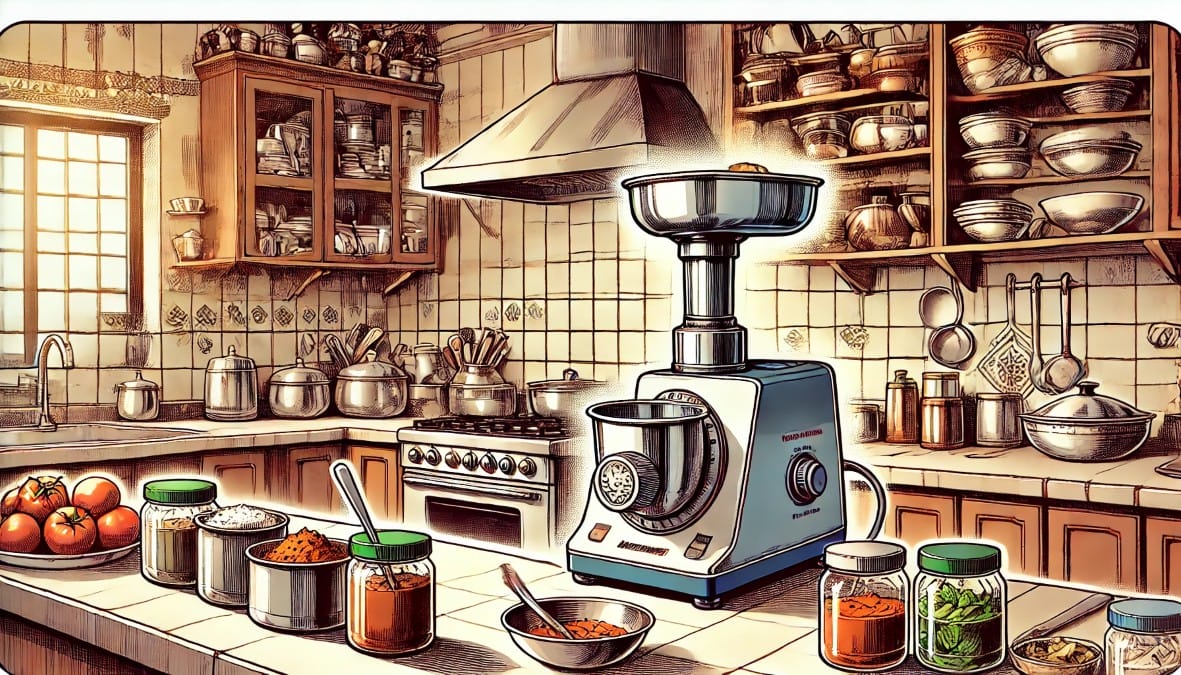
Learn how to choose the right mixer grinder for Indian cooking with this practical guide. Understand wattage, jar types, blade quality, and key features that matter in Indian kitchens. A mixer grinder is one of the most essential appliances in Indian kitchens. Whether you’re making chutneys, grinding masalas, or preparing dosa batter, the right model can save time and effort every day.
But with so many options and features, how do you choose the one that actually fits your needs?
This guide breaks down everything you need to know without relying on brand names or short-lived model trends. It focuses purely on what matters for long-term, everyday use in Indian homes.
1. Start with Your Cooking Habits
Think about what you cook most often. Do you:
- Prepare chutneys or masala pastes daily?
- Make dosa, idli, or vada batter regularly?
- Grind dry spices in small batches?
- Need occasional blending for soups or juices?
Your answer decides the power, number of jars, and type of blades you’ll need. South Indian kitchens, for example, need more powerful machines for batter and coconut grinding, while North Indian cooking may focus more on spice and curry pastes.
2. Pick the Right Wattage
Wattage = power. A higher wattage means the motor can handle tougher ingredients.
| Cooking Use | Recommended Wattage |
|---|---|
| Light use (chutneys, purees) | 400–500W |
| Moderate use (masalas, pastes) | 500–750W |
| Heavy-duty (batters, coconut, frequent use) | 750–1000W |
For most Indian homes, 750W strikes the right balance between performance and power efficiency.
3. Decide How Many Jars You Need
Jars define your flexibility. Here’s what typically comes with a mixer grinder:
| Jar Type | Typical Use |
|---|---|
| Small (300–500 ml) | Chutneys, dry masala grinding |
| Medium (700–1000 ml) | Wet grinding, curry pastes |
| Large (1.2–1.5L) | Juicing, blending, batters |
| Blender Jar (if included) | Smoothies, shakes, lassi |
Look for jars with sturdy handles, tight lids, and rubber gaskets to prevent leaks especially for turmeric-heavy recipes.
4. Check Blade Quality of Mixer Grinder and Function
Blades should be sharp, rust-proof, and able to handle everything from dry red chillies to wet coconut paste.
Choose models with:
- Detachable stainless steel blades for easy cleaning
- Separate blade sets for dry and wet grinding
- A strong locking mechanism to keep jars stable during use
5. Prioritize Safety Features
Don’t overlook safety, especially in busy kitchens where appliances run daily.
Look for:
- Overload protection – shuts off the motor before overheating
- Safety locking system – prevents the grinder from starting unless the jar is secured
- ABS plastic body – durable, easy to clean, and shock-resistant
- Non-slip feet – keeps the unit stable on countertops
6. Consider Noise and Size
Higher wattage usually means more noise. If you have elderly family members or infants at home, pick a model known for smoother operation.
Also check dimensions:
- Will it fit under your kitchen shelf?
- Is it easy to move and store?
Compact builds are ideal for small Indian kitchens.
7. Think About Service, Spares, and Warranty
In India, repairs and spare parts can make or break your appliance experience.
Before buying, check:
- Is service available locally or via home pickup?
- Are spare jars, blades, and lids easy to find?
- Is there at least a 2-year warranty on the motor?
Long-term usability often depends on service quality.
8. Skip Unnecessary Extras
Some mixer grinders come with extras like:
- Juicer attachments – often underused unless you juice daily
- Atta kneading blades – can be useful if you don’t have a food processor
- More than 3 speed settings – usually not needed for regular use
Stick to the essentials. You’ll save both money and counter space.
Conclusion – Key Features to Check Before You Buy a Mixer Grinder
| Feature | What to Look For |
|---|---|
| Wattage | 750W for most Indian tasks |
| Jars | At least 3: small, medium, large |
| Blades | Rust-proof, detachable, sharp |
| Safety | Overload protection, jar lock |
| Body | Durable ABS plastic, anti-slip feet |
| Extras | Only buy what you’ll actually use |
| Service | Local support and spares available |
You don’t need the most expensive mixer grinder you need the one that matches your cooking habits, kitchen size, and usage frequency.
For most Indian homes:
- 750W power
- 3-4 jars
- Stainless steel blades
- Overload protection
- Reliable service

