
Top Mixer Grinder Mistakes Indians Make Daily – And How to Avoid Them
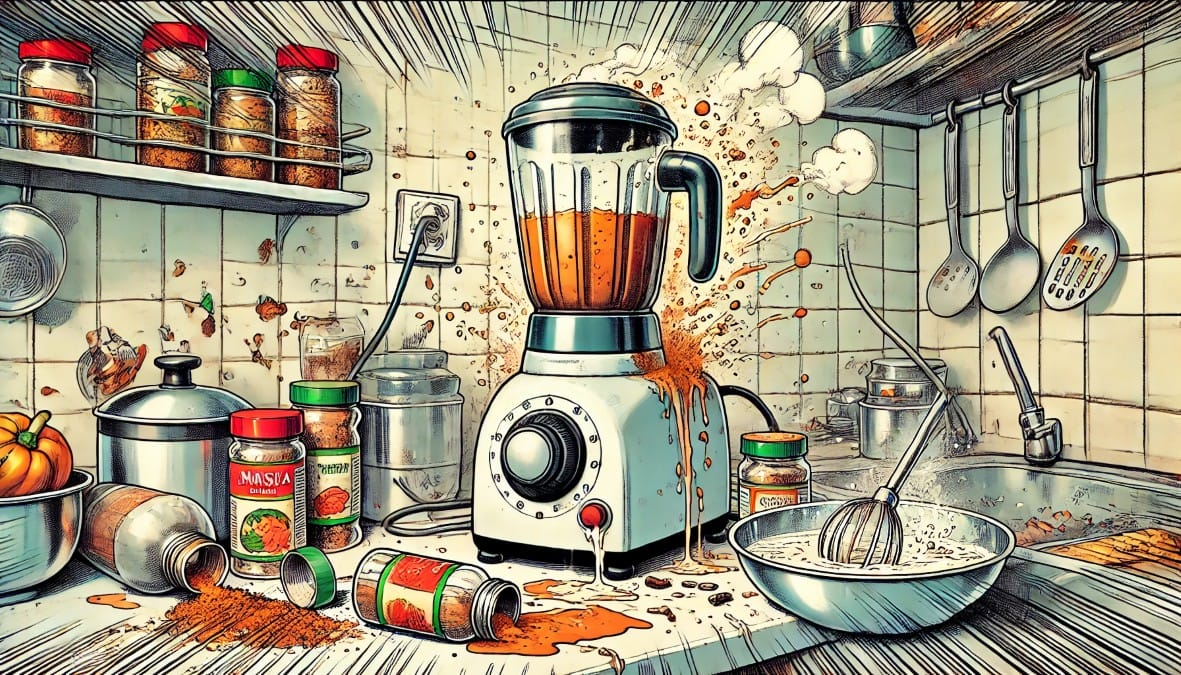
From leaking lids to burnt motors, mixer grinder misuse is common in Indian homes. This guide covers the top mistakes Indian users make and how to avoid them for longer appliance life.
In most Indian homes, the mixer grinder is one of the hardest-working kitchen appliances. You probably use it daily for chutneys, masalas, batters, or blending. But many users unknowingly misuse their mixer grinders, leading to poor performance, burnt motors, or frequent repairs. The good news? Most of these problems are easy to avoid with the right habits.
Here’s a list of the most common mixer grinder mistakes in Indian kitchens and how to fix them for better results and longer appliance life.
1. Overloading the Jar with Ingredients
Stuffing the jar full of soaked dal, coconut, or tomatoes to grind everything in one go.
Why It’s a Problem:
- Motor overheats or shuts off
- Blade spins unevenly
- Grinder struggles and produces a burning smell
What to Do Instead:
Grind in smaller batches. For urad dal or chutney, do it in 2 rounds instead of cramming everything at once especially in 500W models.
2. Using the Wrong Jar for the Task
Using the large liquidizing jar for dry masalas or the small chutney jar for idli batter.
Why It’s a Problem:
- Poor grinding results
- Food gets stuck under the blades
- Risk of damaging the motor or blade edges
What to Do Instead:
- Use small jar for dry masala (jeera, dhania, red chilli)
- Medium jar for pastes (onion-tomato, ginger-garlic)
- Large jar for batters or milkshakes
3. Grinding Hot Dal or Boiled Veggies
Grinding hot sambhar dal or boiled vegetables for gravies without cooling them.
Why It’s a Problem:
- Steam pressure pops the lid
- Causes leaks and burns
- Warps the jar over time, especially plastic ones
What to Do Instead:
Let ingredients cool for 10-15 minutes before grinding. Use lukewarm contents if needed in a hurry.
4. Not Adding Enough Water for Thick Grinding
Trying to make coconut paste or dosa batter with barely any water to save time.
Why It’s a Problem:
- Blade gets stuck
- Loud straining noise from the motor
- Poor grinding, uneven texture
What to Do Instead:
Add just enough water gradually. Scrape the sides between runs for smoother results.
5. Running the Mixer Grinder Continuously for Too Long
Letting the motor run for 3–5 minutes straight, especially when grinding urad dal or soaked rice.
Why It’s a Problem:
- Overheats the motor
- Increases electricity consumption
- Reduces lifespan
What to Do Instead:
Use pulses or 30-second bursts with breaks in between. 750W models handle longer runs but still need cooling gaps.
6. Using the Wrong Blade or Worn-Out Blades
Using the same blade for chutney, masala, batter, and more—without checking its condition.
Why It’s a Problem:
- Poor texture
- Spices stay coarse
- Longer grinding time
What to Do Instead:
Use the blade designed for the job:
- Flat blade for dry masalas
- Curved blade for wet pastes
- Replace blades once they lose sharpness or rust
7. Not Checking the Lid and Gasket Before Use
Starting the grinder without securing the lid or using a torn rubber gasket.
Why It’s a Problem:
- Leaks all over the kitchen counter
- Moisture enters the motor
- Food splashes, creating extra cleaning work
What to Do Instead:
Always check that the gasket is in place and the lid is tight. Replace gaskets every 6–12 months or when they harden.
8. Washing the Appliance Without Unplugging
Wiping or rinsing the jars and motor unit while it’s still plugged into the wall.
Why It’s a Problem:
- High risk of electric shock
- Water damage to internal circuits
- Voids warranty
What to Do Instead:
Always unplug before cleaning. Use a damp cloth for the motor unit, and never pour water on the base.
9. Not Cleaning Between Multiple Uses
Grinding masala, then chutney, then a shake all in the same jar without proper washing.
Why It’s a Problem:
- Flavors mix (onion-flavored banana shake!)
- Leaves stains or smells (especially with haldi or garlic)
- Dulls the blades faster
What to Do Instead:
Rinse the jar between uses. Use vinegar or lemon juice occasionally to remove odors and stains.
10. Storing Jars While Still Damp
Washing jars and immediately closing them with lids or stacking them inside each other.
Why It’s a Problem:
- Smells, mold, and rust
- Bacterial growth in lids and blade joints
- Blades become sticky or stiff
What to Do Instead:
Dry jars fully before storage. Leave them slightly open if storing long-term.
Conclusion – Please Avoid These Mistakes
| Mistake | Why It’s a Problem | What to Do Instead |
|---|---|---|
| Overloading | Strains motor, poor results | Use smaller batches |
| Grinding hot food | Pressure build-up | Let food cool |
| Wrong jar/blade | Inefficient grinding | Match tool to task |
| Dry grinding without water | Blade jams | Add water slowly |
| Long runs | Motor heats up | Use short bursts |
| Dirty gasket/lid | Leakage | Clean regularly |
| Cleaning while plugged | Shock risk | Unplug first |
| No rinse between uses | Flavor mix | Clean each time |
| Wet storage | Rust, mold | Dry completely |
Mixer grinders are built to handle Indian cooking but only if you treat them right.
Whether you’re making chutney for idli, grinding masala for a curry, or prepping batter for dosas, avoiding these mistakes will give you smoother results and longer appliance life.

