
Top-Load vs. Front-Load: What Works Best for Your Home?
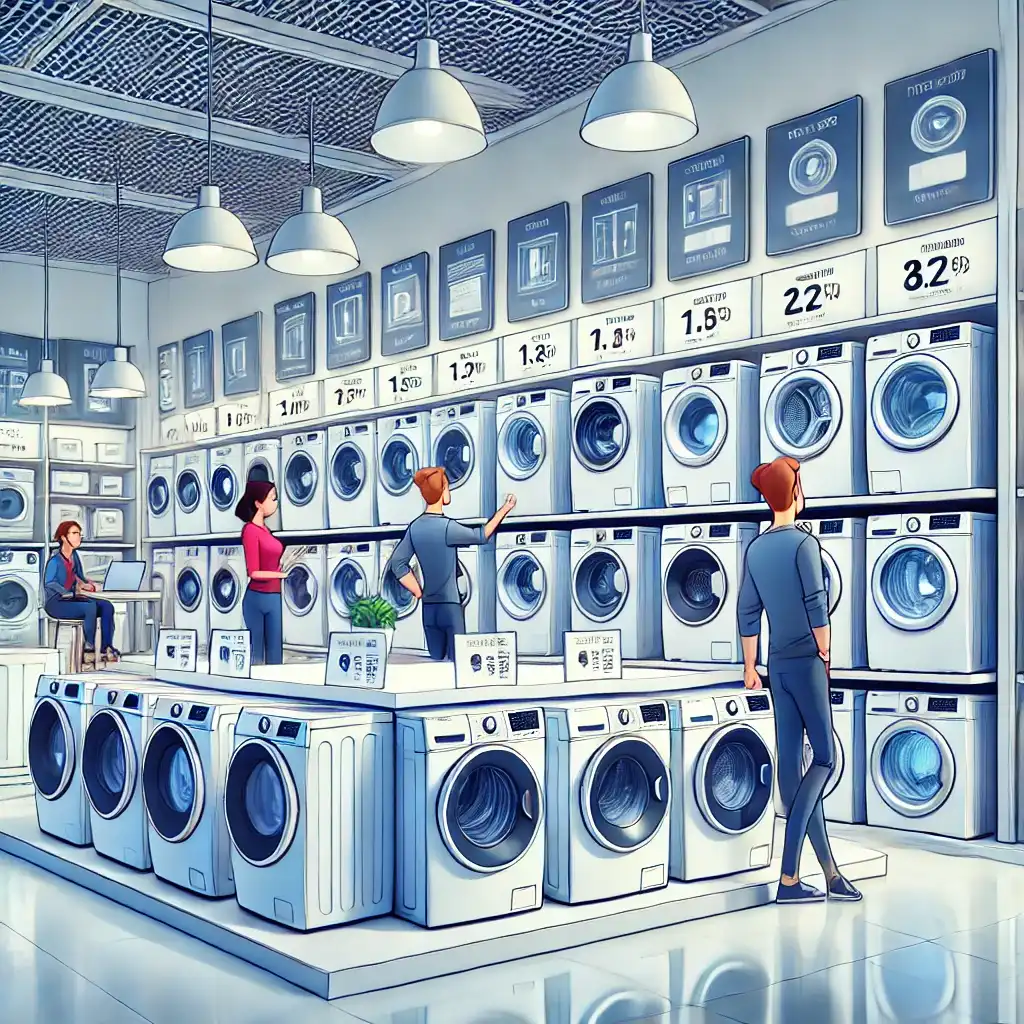
With busy lifestyles and increasing awareness of water and electricity conservation, washing machines have become an essential appliance in Indian households. However, choosing between a front-load and a top-load washing machine can be confusing, especially with the wide variety of models available in the Indian market.
- Top-load washing machines are preferred for their affordability, ease of use, and quick wash cycles, making them a popular choice for budget-conscious buyers and homes with space limitations.
- Front-load washing machines, on the other hand, offer better fabric care, lower water consumption, and higher energy efficiency, making them ideal for households focused on long-term savings and superior cleaning performance.
Beyond just cost and performance, factors like water availability, power stability, space constraints, and the type of fabrics commonly washed in Indian homes play a crucial role in making the right choice.
This guide provides an in-depth comparison between top-load and front-load washing machines, helping you decide which one best suits your household needs, budget, and lifestyle.
1. How Top-Loading Machines Work
These washers have a vertically positioned drum, allowing users to insert laundry from the top. The cleaning mechanism involves either an agitator (spinning spindle) or pulsator jets to move water forcefully.
- Fills from the upper section, with detergent mixing as the drum rotates.
- Uses a manual or auto-drain function after completing the cycle.
- Available in standard and high-efficiency (HE) variants, with HE models requiring less water.
2. How Front-Loading Machines Work
Designed with a horizontally rotating drum, this type requires loading from the front-facing door. The movement relies on drum rotation, gravity, and minimal water usage to clean effectively.
- Clothes are lifted and tumbled in soapy water, consuming less liquid per cycle.
- High-speed spinning removes excess moisture, reducing drying time.
- Many advanced models include steam wash, fabric protection, and energy-saving settings.
3. Main Differences Between Top-Loading and Front-Loading Machines
| Feature | Top-Loading Washers | Front-Loading Washers |
|---|---|---|
| Ease of Use | Convenient as users don’t need to bend. | Requires bending to insert and remove clothes. |
| Water Efficiency | Requires a full drum of water. | Consumes up to 40% less water per cycle. |
| Power Usage | Consumes more electricity due to quicker cycles. | Energy-efficient, using 30-50% less power with inverter models. |
| Cleaning Effectiveness | Effective but may be rough on delicate fabrics. | Superior cleaning with gentle yet thorough action. |
| Spin Speed (Drying Efficiency) | 600-1200 RPM; clothes may still be damp. | 1000-1400 RPM; nearly dry post-spin. |
| Detergent Use | Requires more detergent per cycle. | Needs low-foam detergents for best results. |
| Washing Duration | Quick cycles, usually 30-45 minutes. | Extended cycle time, 60-90 minutes, but more effective cleaning. |
| Noise Levels | Louder due to traditional motor function. | Quieter with direct-drive technology. |
| Space Requirements | Compact, ideal for smaller areas. | Requires additional space for door clearance. |
| Maintenance & Repairs | Easier and cheaper to fix. | Repairs may be expensive due to electronic panels. |
| Cost Range (India, 2025) | ₹12,000 – ₹25,000 | ₹18,000 – ₹50,000+ |
| Best Suited For | Budget-conscious buyers, small households. | Consumers seeking better efficiency and fabric care. |
4. Pros and Cons of Top-Load & Front-Load
Top-Loading Washing Machines
Advantages:
- Simple to use; no need to bend for loading/unloading.
- Shorter washing durations, ideal for quick cleaning.
- Generally lower cost, making it a budget-friendly option.
- Lightweight and easier to relocate, perfect for rental homes.
Disadvantages:
- Consumes more water per cycle compared to front-loaders.
- Can be harsh on delicate garments due to stronger agitation.
- Higher long-term power consumption in non-inverter models.
- Louder operation, especially during spinning.
Front-Loading Washing Machines
Advantages:
- Uses 40% less water, saving on utility bills.
- Better at removing stains while preserving fabric quality.
- High-speed spinning extracts more moisture, reducing drying time.
- Runs quieter, thanks to inverter-driven technology.
Disadvantages:
- More expensive initially.
- Washing cycles take longer than top-loaders.
- Special detergents required, leading to higher costs.
- Heavy and difficult to transport, making relocation harder.
5. Choosing the Right Model for Different Indian Households
5.1 For Small Families & Working Professionals
Recommended: Front-Load (6kg-7kg)
- Energy-saving, reducing long-term electricity bills.
- Gentler on clothing, preserving fabric life.
- Handles multiple materials in one cycle.
5.2 For Large Joint Families
Recommended: Front-Load (8kg+)
- Higher capacity minimizes repeated washing.
- Faster spin speeds ensure quick drying.
- Efficient water use, suitable for frequent washes.
5.3 For Rural Homes & Water-Limited Areas
Recommended: Top-Load (7kg-9kg)
- Functions well with lower water pressure.
- Faster cycles allow multiple washes daily.
- More durable in regions with power fluctuations.
5.4 For Students & Rental Home Residents
Recommended: Top-Load (5kg-7kg)
- Affordable and simple to operate.
- Shorter wash durations, ideal for busy schedules.
- Portable and lightweight, making moving easier.
5.5 For Elderly or Physically Challenged Individuals
Recommended: Top-Load (6kg-7kg) with Simple Controls
- No bending required, making usage comfortable.
- One-touch buttons simplify operation.
- Easier to repair and maintain.
6. Closing Remarks: Right Type for Your Home
Choosing the right washing machine depends on your budget, laundry habits, and home conditions.
Choose a Top-Load Washing Machine If:
- You want a more affordable option with faster wash cycles.
- Your home has water supply limitations or low water pressure.
- You prefer an easy-to-load machine without bending.
- You need a lightweight and portable model that can be moved easily.
Choose a Front-Load Washing Machine If:
- You want better stain removal and gentler fabric care for delicate clothes.
- You want to save water and electricity in the long run.
- You need a machine with higher spin speeds for faster drying, especially in humid regions.
- You want advanced wash cycles like steam cleaning, AI wash, or energy-saving modes.
Both front-load and top-load washing machines have their strengths, and the best choice depends on your household’s specific needs. If you prioritize affordability and ease of use, go for a top-load model. If water savings, energy efficiency, and fabric care matter more, a front-load machine is the better investmen

