
Buying an Air Cooler for the First Time? Here’s What You Should Know
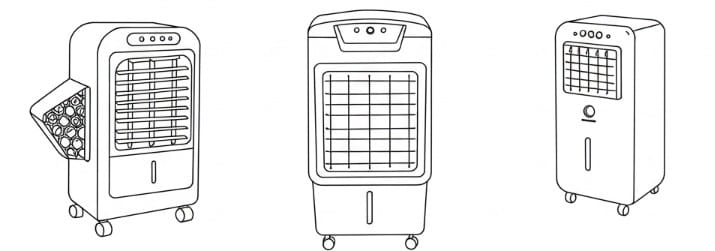
If you are buying an air cooler for the first time, you might be wondering how to choose the right one. With various types, features, and price ranges, selecting an air cooler can feel overwhelming. Unlike air conditioners, air coolers are affordable, energy-efficient, and work well in hot and dry climates, making them ideal for many Indian homes.
Before you make a purchase, it’s important to understand how air coolers work, what factors to consider, and which features matter most. Should you go for a personal air cooler or a desert cooler? What tank capacity is right for your room size? Do you need an ice chamber or a remote control?
This guide will help you:
By the end of this guide, you’ll have the confidence to choose the perfect air cooler for your home without any confusion.
1. Key Factors to Consider When Buying an Air Cooler
1.1 Room Size and Air Throw Capacity
Air coolers come in different sizes and cooling capacities. The larger the room, the higher the air throw capacity (measured in cubic feet per minute – CFM) you need.
| Room Size | Recommended Air Cooler Type | Tank Capacity | Air Throw Distance |
|---|---|---|---|
| Up to 150 sq. ft. | Personal Air Cooler | 10L – 30L | 15 – 25 feet |
| 150 – 300 sq. ft. | Tower Air Cooler | 25L – 50L | 20 – 35 feet |
| 300 – 600 sq. ft. | Desert Air Cooler | 50L – 100L | 30 – 50 feet |
| 600 sq. ft. and above | Industrial/Commercial Cooler | 100L+ | 50+ feet |
Larger rooms require desert coolers with high air throw, while smaller rooms can use personal or tower coolers.
1.2 Cooling Pads: Honeycomb vs. Aspen
Cooling pads play a crucial role in how efficiently an air cooler cools your room.
| Type | Features | Pros | Cons |
|---|---|---|---|
| Honeycomb Pads | Made of cellulose material, long-lasting | Better cooling, durable | Expensive |
| Aspen (Wood Wool) Pads | Made of wood shavings and synthetic fibers | Budget-friendly, natural cooling | Requires frequent maintenance |
Recommendation: Choose honeycomb cooling pads for better performance and longevity.
1.3 Power Consumption & Energy Efficiency
- Air coolers consume 100W – 300W, making them 90% more energy-efficient than ACs.
- Check for inverter-compatible coolers to ensure they run during power cuts.
Estimated Monthly Electricity Cost (8 hours/day usage):
| Cooler Power (Watt) | Monthly Cost (₹ at ₹8/unit) |
|---|---|
| 100W | ₹192 |
| 200W | ₹384 |
| 300W | ₹576 |
For lower electricity bills, opt for energy-efficient BLDC motor air coolers.
2. Essential Features to Look For in Air Cooler
2.1 Remote Control & Smart Features
- Convenience: Control speed, swing, and cooling settings without manual operation.
- Wi-Fi Smart Coolers: Some models support app and voice control (Alexa, Google Assistant).
2.2 Auto-Fill Water Tank & Water Level Indicator
- Auto-fill feature: Connects directly to a water source for continuous cooling.
- Water level indicator: Prevents running the cooler on an empty tank.
2.3 Ice Chamber for Extra Cooling
- Ice trays allow you to add ice cubes for enhanced cooling during peak summer.
- Works best in dry climates above 40°C.
2.4 Humidity Control for Comfortable Cooling
- Prevents excessive moisture buildup, making cooling more effective.
- Ideal for regions with moderate humidity.
2.5 Air Purification & Dust Filters
- Carbon & HEPA filters remove dust and allergens, improving air quality.
- Essential for people with allergies or respiratory issues.
2.6 Inverter Compatibility & Low Noise Levels
- Ensures cooling even during power cuts (important for areas with frequent outages).
- Silent operation models available for noise-sensitive users.
3. FAQs About Buying an Air Cooler
3.1 Which type of air cooler is best for Indian homes?
- For small rooms – Personal air coolers
- For medium rooms – Tower air coolers
- For large rooms/outdoors – Desert air coolers
3.2 Do air coolers work in humid areas?
- No, air coolers are less effective in humid regions like Mumbai, Chennai, and Kerala.
- Consider models with humidity control or opt for an air conditioner instead.
3.3 How often should I clean the air cooler?
- Cooling pads – Every 15-30 days to prevent mold buildup.
- Water tank – Once a week to avoid stagnant water and odors.
- Dust filters – Every 2 weeks for fresh airflow.
3.4 How much water does an air cooler use daily?
- Personal coolers – 4-8 liters/day
- Desert coolers – 10-20 liters/day
- Always use clean water to maintain cooling efficiency.
3.5 Can air coolers run without water?
- No, air coolers require water for the evaporation process.
- Some models have a fan-only mode that works without cooling.
3.6 How do I improve air cooler performance?
- Use it in a well-ventilated room – Keep a window or door open.
- Add ice cubes in the water tank for extra cooling.
- Place the cooler near an open window for fresh air intake.
- Clean the cooling pads regularly for maximum efficiency.
4. Summary: Making the Right Choice for Your Home
Buying an air cooler is a smart and budget-friendly way to stay cool during Indian summers. They are easy to use, require minimal maintenance, and consume far less electricity than air conditioners. However, choosing the right one depends on room size, climate, cooling pad type, and additional features like humidity control, remote operation, and inverter compatibility.
If you live in a hot and dry region, an air cooler is the best choice for keeping your home comfortable. But if you are in a high-humidity area, an air cooler may not be as effective, and you might need an alternative cooling solution.
For first-time buyers, focus on:
- Choosing the right size and tank capacity based on your room
- Looking for key features like powerful air throw, durable cooling pads, and energy efficiency
- Placing the cooler in a ventilated space for maximum cooling
A well-chosen air cooler can make your summers comfortable without increasing your electricity bill. Now that you have all the information, you are ready to make an informed purchase and enjoy fresh, natural cooling at home.

