
Before You Buy That Battery, Know How Warranty and Support Actually Work
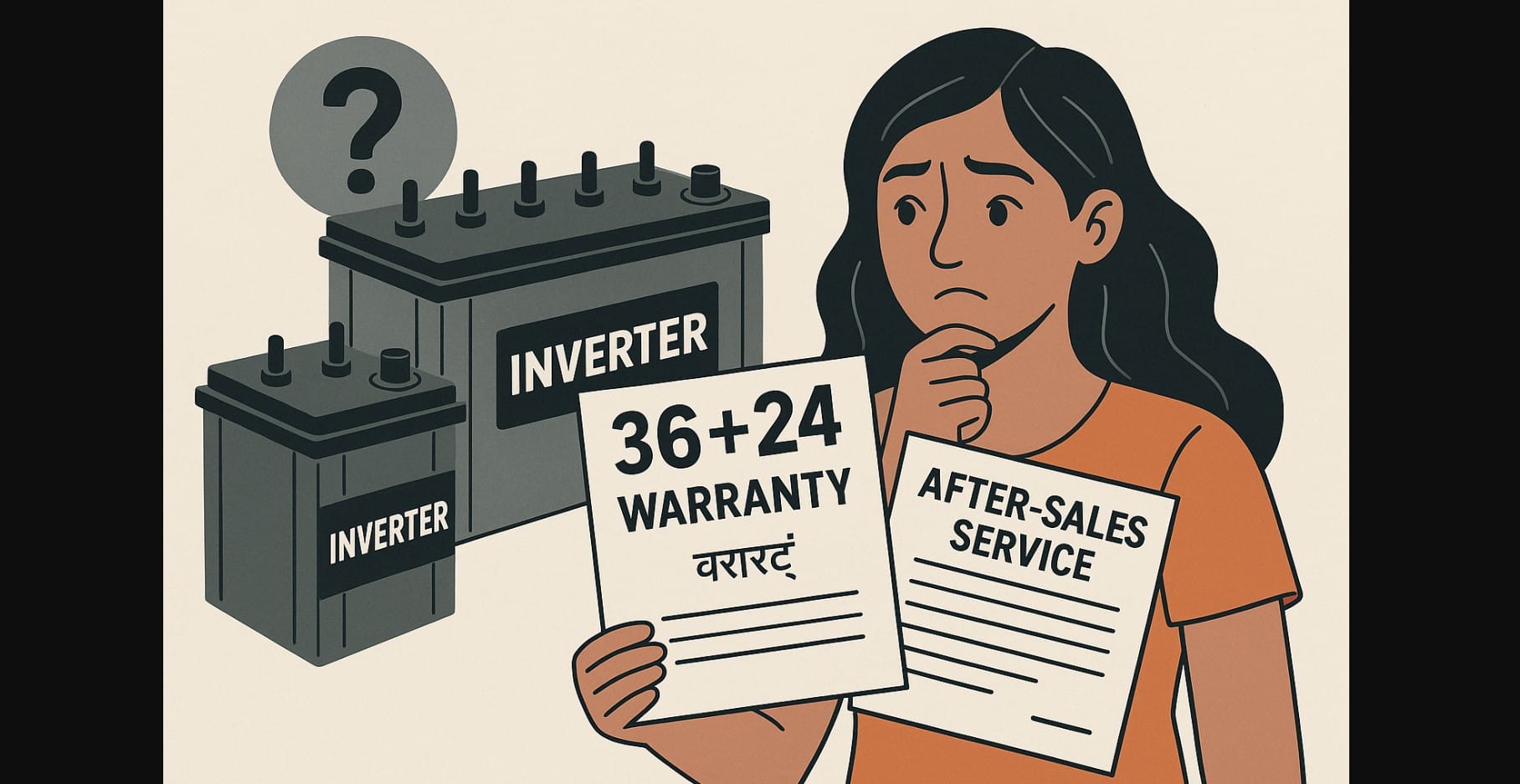
Understanding inverter battery warranties and after-sales service in India is important for consumers who want reliable power solutions. Inverter batteries are vital for backup energy during power cuts, and their effectiveness depends on the warranty and support from manufacturers.
Understanding warranty terms, which can differ greatly between brands, helps users make better choices. Also, looking into after-sales service, like maintenance support and access to replacement parts, allows customers to fix problems quickly and easily.
1. Here’s What That Warranty Label Really Means
A battery labeled “36+24 months” does not mean five years of free replacement. Instead, it indicates that you will have three years of full replacement coverage if the battery fails, followed by an additional two years in which you will be responsible for a portion of the replacement cost.
This pro-rata phase is crucial to understand because buyers may misinterpret this division. Consequently, they might feel deceived or upset when issues occur after the full coverage ends.
| Label on the Box | Actual Coverage |
|---|---|
| 36 + 24 months | First 3 years: free replacement + 2 Year pro-rata |
- 48 months flat warranty – Full free replacement for 4 years (premium models)
- 30 + 18 months – 2.5 years full, 1.5 years pro-rata
The pro-rata value reduces every month. If your battery dies late into the period, the discount might be small ₹500-₹1000 at most.
2. Most Buyers Don’t Ask the Battery Warranty Terms
- Who handles the warranty brand, dealer, or third-party service?
- Is the service done at home or do I have to carry the battery?
- How many days does it take to get a replacement?
- Does service happen through a central call system or local technician?
- Can I see a copy of the actual warranty terms, not just what’s said at the shop?
These questions decide whether the warranty is useful or just printed on paper.
3. These Battery Mistakes Often Void the Warranty
| What You Might Do | What Happens |
|---|---|
| Use RO or tap water | Battery chemistry gets damaged claim denied |
| Forget water refills | Dry plates degrade treated as misuse |
| Mix an old battery with new | Charging mismatch ruins both warranty not applicable |
| Use incompatible inverter | Wrong charging current or voltage can destroy cells |
| Lose the bill or warranty card | No replacement issued in many cases |
Even a small mistake, like refilling with mineral water or skipping maintenance, can give the company a reason to deny help.
4. Battery Brand Service Quality Depends on Where You Live
In major cities, most brands respond within 3-5 days. In smaller towns, some users report no action for weeks. Local dealers play a big role good ones follow up quickly, bad ones disappear once the sale is done. Some users are forced to carry batteries themselves for service even during summer.
5. What Smart Battery Buyers Do After Purchase
- Take a photo of the warranty card and bill, and save it online
- Write down the battery serial number and install date
- Save the dealer’s name, phone number, and service contact
- Ask the dealer in writing what to do if the battery fails during peak usage
- Confirm if the brand offers doorstep service in your area
6. Inverter Battery Warranties Are About Response
To truly protect your battery investment, take the time to read the fine print carefully, as it often contains vital information regarding warranties and service options.
Additionally, don’t hesitate to ask questions be proactive and seek clarification on any points that seem unclear. Keeping proof of everything at the time of purchase, such as receipts and warranty documents, is essential; it ensures that you have the necessary evidence to support your claim should issues arise.
Taking these steps can provide peace of mind and safeguard against unexpected problems down the road.

