
Can ‘Made in India’ Laptops Deliver? A Ground-Level Look
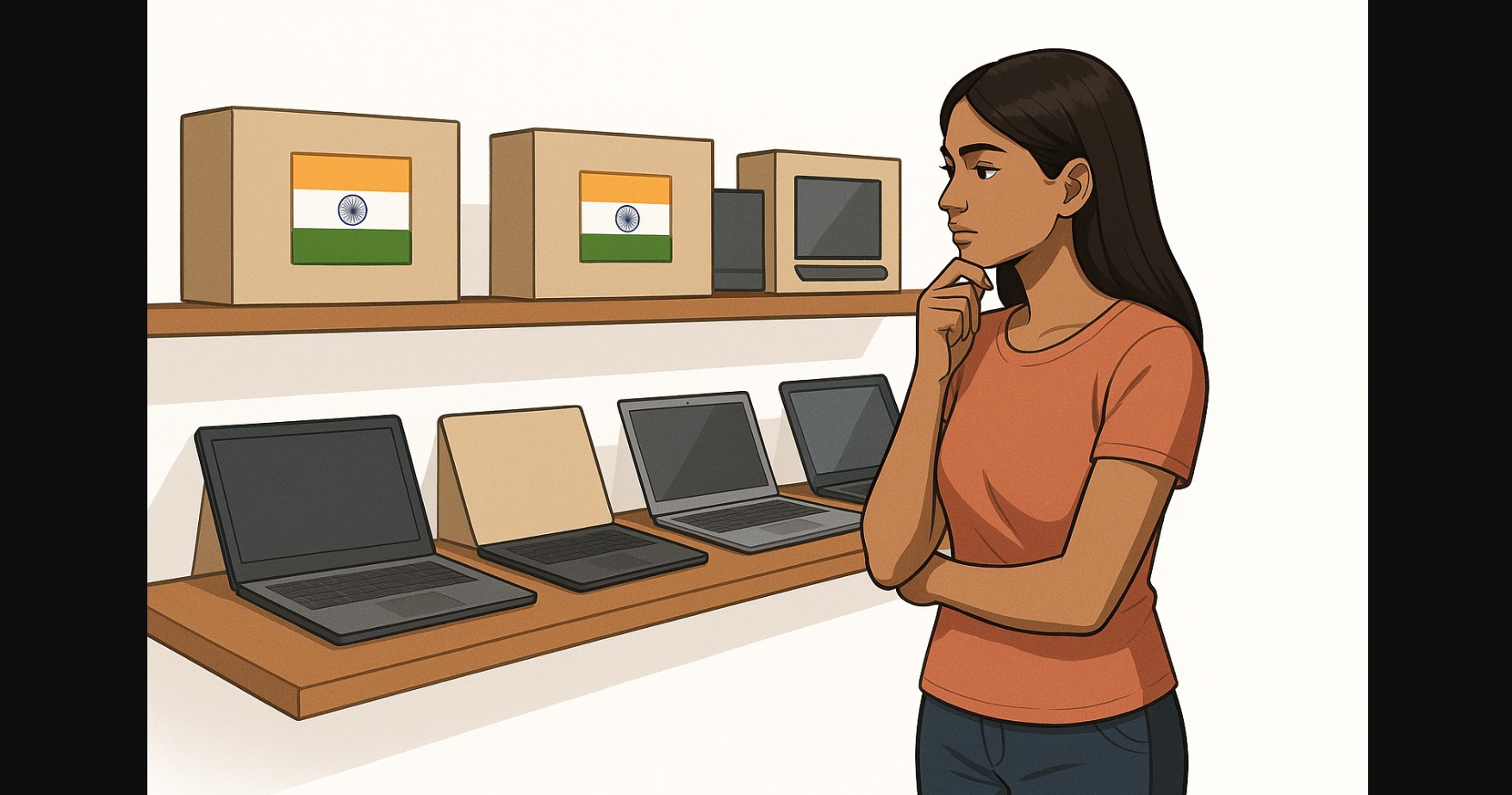
Laptops assembled or developed in India are finally becoming more than just low-cost alternatives. With new government policies, improved supply chains, and homegrown brands targeting gaps left by international players, the market is seeing a new layer of competition.
But are these devices ready to serve everyday needs, or do they still belong to a narrow price segment?
1. What’s Driving the Push for India-Built Laptops in 2025?
Over the last few years, the Indian government has encouraged domestic electronics manufacturing through PLI (Production-Linked Incentive) schemes. By 2025, this focus includes:
- Local assembly plants by major brands like Dell, HP, Asus, and Acer
- Investments from contract manufacturers such as Dixon Technologies and VVDN
- Increased support for start-ups building their own laptop models
- Targeted funding to increase India’s share in global electronics exports
The goal is to make India not just a sales market, but a design and production hub as well.
2. Learning from the Past: Why Early Attempts Didn’t Take Off
Indian names like HCL, Wipro, and Zenith once tried their hand at laptops, mostly between 2005-2015. These efforts struggled due to high costs, limited user awareness, and weaker software support. Without a strong ecosystem, these devices disappeared as global brands flooded the market with sleeker and better-supported products.
Today, newer brands are building with better timing, focusing on digital learning, mobile-first features, and partnerships with online platforms for direct access to buyers.
3. Who’s Building Laptops in India Right Now?
Primebook – India-First Design, Android-Powered Devices
Primebook is one of the few brands designed, developed, and marketed entirely in India. It focuses on entry-level computing for students and basic users:
- Primebook: Available in both clamshell and convertible formats, powered by Android with a metallic body.
- Primebook 4G: Adds SIM-based LTE support, making it useful for rural or mobile users. Priced around ₹15,990.
- Primebook S Wi‑Fi: A lighter, Wi‑Fi-only version priced at ₹14,990.
These models are commonly seen in education schemes and online sales events. Primebook has gained traction through Flipkart and regional outreach.
Infinix – Assembled in India, Designed for Budget-Conscious Users
Though a global brand, Infinix assembles many of its laptops in India through OEMs like Dixon:
- InBook Y3 Max and Air Pro+ (2025): Mid-range models offering Intel i5/i7 processors, 16GB RAM, OLED displays, and fast charging.
- Pricing ranges from ₹27,990 to ₹59,990 depending on specs.
- These laptops appeal to buyers seeking good specs and modern features without crossing ₹60K.
Global Laptop Brands Now Manufacturing in India
Several leading international laptop brands are now assembling part of their product line within India:
- HP, Dell, Lenovo, Asus, MSI, and Samsung have partnered with local contract manufacturers like Dixon, Flex, and Foxconn.
- Facilities are located in Tamil Nadu, Noida, and Andhra Pradesh, and produce both consumer and education-focused models.
- For example:
- HP Chromebooks are built in India for school programs.
- Asus Snapdragon AI laptops are also being produced here under PLI-linked agreements.
- Dell and Lenovo have increased local production to meet government procurement criteria.
These global brands are not just reducing imports, they’re also adjusting software defaults, power adapters, and logistics for Indian market conditions.
4. What You Get for the Price: Comparing Local and Global Options
| Brand | Model | Key Specs | Price (₹) |
|---|---|---|---|
| Primebook | Gen 2 (4G/Wi-Fi) | Android 14, 4GB/128GB, LTE option | 14,990-15,990 |
| Infinix | InBook Y3 Max (OEM) | Intel i7, 16GB RAM, metal build | 49,999 |
| HP/Dell | Entry Windows Laptops | i3/i5 CPUs, better build and battery | 40,000+ |
Indian laptops fill the sub-₹20,000 space that’s mostly left out by global brands. But this comes with trade-offs in processing power, keyboard feel, and after-sales coverage.
5. Where Local Laptop Brand/Models Fit Best
- Students using learning apps or basic online tools
- Workers needing 4G laptops for remote typing tasks
- Budget-conscious buyers needing a second machine for simple work
- NGOs, education programs, and rural offices with limited infrastructure
Scenarios Where They Fall Behind
- Software development or design tools
- Video editing or heavy multitasking
- Office users with extended usage hours and performance needs
- Users needing structured service support and warranty coverage
6. After-Sales Support Still Has a Long Way to Go
While global brands offer multilingual call centers, doorstep pickup, and service apps, local options are still developing:
- Service centers are limited to select cities
- Spare part availability can vary depending on location
- Driver updates and firmware support are slower for lesser-known models
- Some users rely on external repair centers for even minor issues
Until these gaps are addressed, local laptops will remain best suited for simpler roles, not primary work devices.
7. Can Government Support Shift the Balance?
By investing in electronics manufacturing and incentivizing local designs, Indian policies are creating space for domestic innovation. As of 2025:
- Government contracts now include local sourcing guidelines
- EdTech initiatives favor brands like Primebook
- Local brands are receiving funding to develop India-first features like SIM support, touch displays, and offline learning compatibility
But scaling this into the mainstream laptop market will require stronger partnerships, better quality control, and long-term support systems.
8. Local Laptop Manufacturing – A Realistic Look at the Road Ahead
Indian-built laptops in 2025 are not designed to replace your high-performance ultrabook or office workhorse. But they’re beginning to solve real problems, offering basic computing for those who never had access before, or providing low-cost options for simpler work.
Instead of competing head-on with Apple, Lenovo, or HP, they’re opening up new segments. With the right attention to build quality, software support, and service, the next few years could bring more powerful India-made laptops with broader appeal.

