
Camera and Lens Care in India – How to Handle Heat, Dust, and Damp Conditions
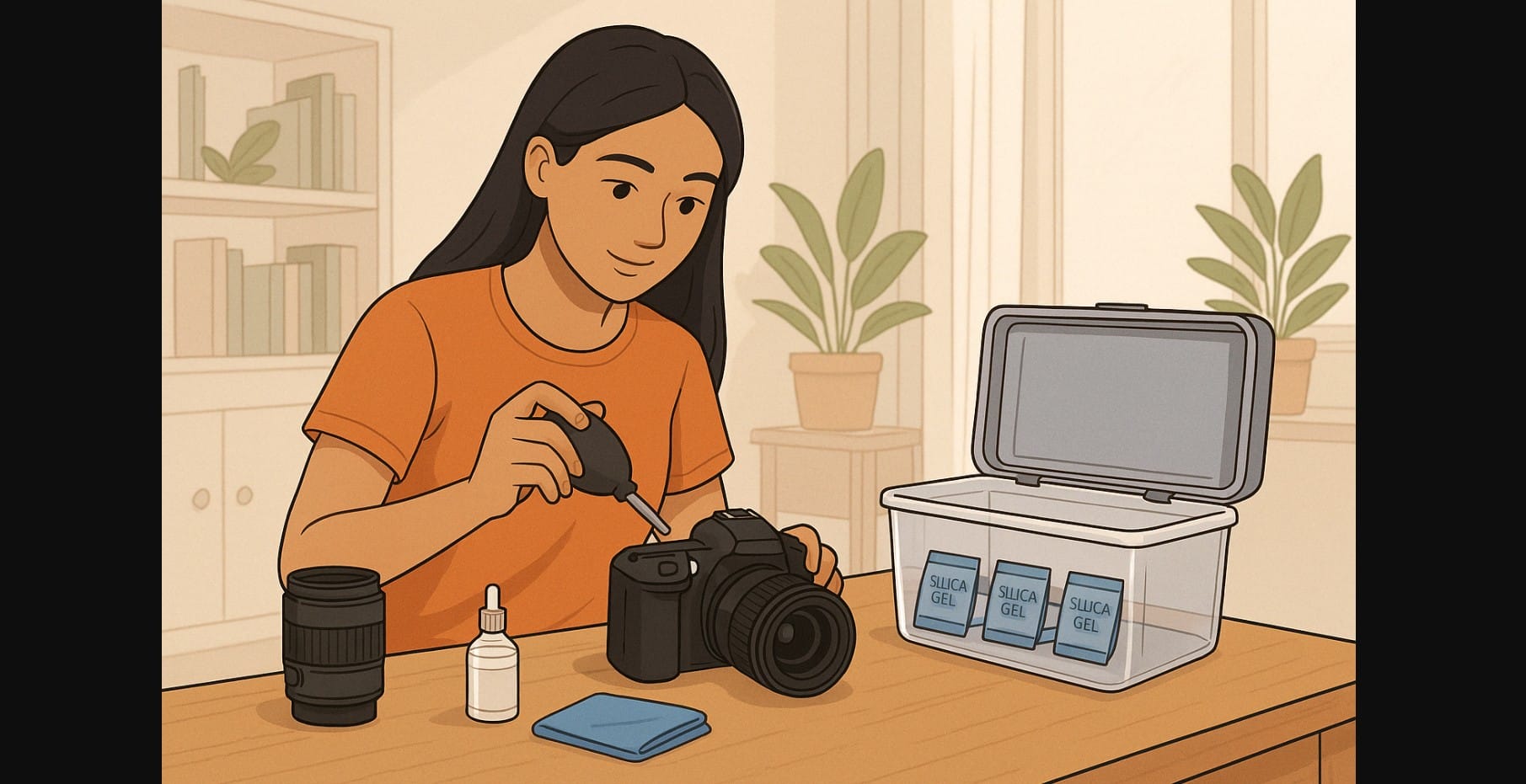
Camera equipment is built for performance, not punishment. But in India, every shoot becomes a stress test whether it’s Delhi’s dust, Mumbai’s humidity, or Rajasthan’s dry heat. If you want your camera and lenses to stay sharp, clean, and fully functional for years, you’ll need a little more than a microfiber cloth.
Here’s how to care for your gear so it survives Indian conditions.
1. Don’t Let Dust Get In Or Stay In
Cameras hate dust. Unfortunately, Indian cities, highways, temple courtyards, and open fields are full of it.
What helps:
- Always keep front and rear lens caps on when the lens is not in use
- Use a UV or clear filter as a dust shield easier to clean or replace than your actual lens
- Never change lenses outdoors unless necessary if you must, face the body down to avoid particles falling inside
- Carry silica gel packets inside your camera bag they absorb moisture that causes dust to cling
- Clean your bag interior monthly camera pouches collect invisible grime
2. Humidity Brings Fungus And It Doesn’t Go Away Easily
Fungus is one of the most common reasons Indian photographers lose good lenses. Once it spreads between glass elements, repairs are costly and not always successful.
How to stay safe:
- Store your gear in a plastic airtight box with silica gel not a cupboard, not a fabric pouch
- If you shoot frequently, invest in a dry cabinet with adjustable humidity controls
- Don’t leave your gear zipped inside a camera bag for weeks bags trap warmth and humidity
- Use a digital hygrometer inside your storage box to keep humidity under 60%
- Unpack your gear once a week and air it out in a cool room with a fan on
3. Set a Cleaning Routine Based on Camera Use
You don’t need to over-clean, but leaving dust to settle or letting grime build up inside the viewfinder shortens your gear’s life.
| Item | How to Clean | When to Clean |
|---|---|---|
| Lens glass | Use a blower first, then microfiber cloth | Weekly or as needed |
| Sensor | Blower only (no physical touch) | When visible spots appear |
| Viewfinder/EVF | Cotton swab with lens cleaner | Monthly |
| Body/grip/buttons | Soft brush or dry toothbrush | Monthly |
| Bag interior | Vacuum, wipe, and replace silica gel | Monthly |
Avoid paper napkins, cotton cloths, or shirts they leave lint and can scratch coatings.
4. Handle Camera Carefully During Outdoor or On-Site Work
Indian outdoor shoots are unpredictable. Festivals, events, and travel scenes offer great visuals and endless ways to damage your gear.
What to do:
- Use a neck strap or wrist strap at all times drops happen in crowds
- Cover your camera with a plastic sleeve or rain cover during Holi, Ganesh Visarjan, or monsoons
- Avoid placing your camera on brick walls, temple steps, or metal benches heat and rough surfaces scratch and overheat gear
- In cars, never leave your camera in direct sunlight or inside the glove box during summer
5. Don’t Trust the Camera Box for Long-Term Storage
Original camera packaging looks safe but isn’t meant for real-world protection. It traps humidity and offers no circulation.
Instead:
- Store gear in airtight containers with rotating silica gel packs
- Avoid wrapping lenses in cloths or bubble wrap long-term they hold moisture
- Keep storage off the floor to avoid seepage or rodents
- Use clear boxes so you can visually inspect without opening everything
6. Don’t Let Your Camera Die Early
- Leaving a battery inside a camera unused for months can lead to leakage
- Using any cloth within reach to wipe a lens scratches it slowly
- Putting a camera in a bag with coins, keys, or loose batteries leads to physical damage
- Skipping regular cleaning allows fungus to grow invisibly
- Assuming that “no visible dust” = “no problem” can lead to internal mirror jams, sticky dials, or broken autofocus systems
7. How Often to Service Camera in Indian Conditions
If you’re a casual user, once every 12-18 months is enough. But if you shoot for work, weddings, or travel:
| Shooting Frequency | Suggested Service Schedule |
|---|---|
| Monthly, serious use | Every 6 months |
| Weekly events or outdoors | 3-6 months |
| Rare or seasonal use | Once every 1-2 years |
| Coastal/high-humidity zone | Every 6-9 months minimum |
Authorised service centers in India offer sensor cleaning, focus calibration, weather seal checks, and internal dust removal all essential for long-term performance.
Taking care of your camera isn’t complicated. It just means developing a few consistent habits and respecting that your gear is sensitive, mechanical, and expensive. With the right storage, cleaning, and handling, your equipment will last well beyond the warranty.

