
How to Spot Fake or Grey-Market Cameras and Lenses in India
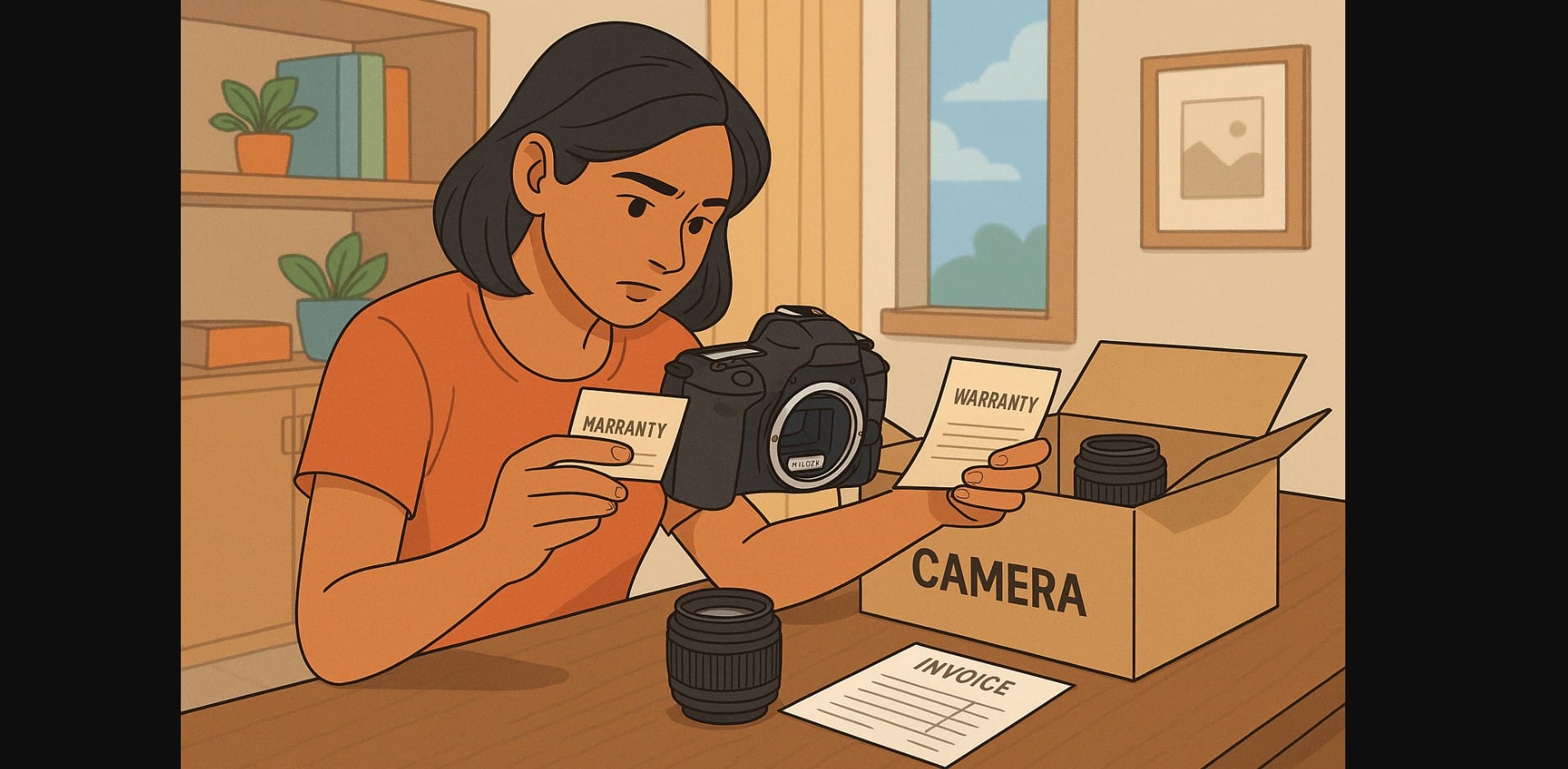
Buying a DSLR or mirrorless setup in India comes with a hidden risk not just price confusion, but products that look new and real, but turn out to be grey-market, tampered, or outright fake. And it’s not just the body. Lenses are faked or mismatched just as often, especially with popular models like the 50mm f/1.8, telephoto zooms, or third-party lenses from Tamron or Sigma.
Here’s how you protect yourself from buying the wrong thing no matter where you shop.
1. Start With the Camera Box Before You Even Open It
Every genuine camera or lens in India will come with a properly sealed retail box. Not a plastic wrap. A factory-stamped, brand-authenticated seal.
What to look for before opening:
- Hologram or security tape with the brand’s name (Canon, Nikon, Sony, etc.)
- MRP sticker in rupees and Indian importer info (like “Canon India Pvt Ltd”)
- Full box contents list with warranty card, serial number, and accessories clearly mentioned
- A box that says “international warranty” is not valid in India unless sold through official channels
If anything looks repackaged, loosely taped, or missing from the outside stop.
2. Camera Serial Number Is Your First Defense
For both cameras and lenses, the serial number must match on:
- The physical product
- The invoice
- The warranty card
- The outer box
If any one of these four is missing or doesn’t match, that’s a serious red flag.
On lenses, the serial is usually engraved on the barrel or lens mount. On cameras, you’ll find it near the battery compartment or bottom plate.
Grey imports or counterfeits often have missing or fake serial numbers, or a “0” typed as “O” to escape checks.
3. What a Real Camera Purchase Invoice Looks Like in India
A proper GST invoice will include:
- Seller’s full name, GST number, and address
- Brand, product name, and full model number with serial
- HSN code (usually 8525 for cameras)
- Correct invoice date and price
“Cash memo” or “retail slip” is not enough. Many small sellers give you a printout without GST. That’s a major sign of grey-market stock even if the product is working.
4. Camera Lenses Deserve the Same Scrutiny
Here’s how fake or grey lenses often get passed off:
- No serial number, or it’s only on a sticker (not engraved)
- Lens mount or aperture blades feel loose or too tight
- No front or rear caps included
- No warranty card in the box
- Rubber focus or zoom rings feel slippery or inconsistent
Sigma and Tamron include regional warranty cards and specific packaging. Canon and Nikon lenses bought from Indian sellers should mention “Indian Warranty” or “Canon India” directly on the card.
5. Online Camera & Lens Listings That Hide the Truth
On Amazon or Flipkart:
- Never buy from sellers with no name, no ratings, or random usernames
- Always check for “Sold by Canon India” or “Fulfilled by Amazon” on the listing
- Scroll down to the questions section if users report missing warranty or suspect packaging, don’t ignore it
Avoid websites that only accept wallet payments or don’t list physical addresses. Some Telegram and WhatsApp groups now sell “imported camera gear” with no service backup or return policy.
6. When to Walk Away from Camera Shop
Even in big cities, local shops sometimes mix genuine and grey stock. Watch for:
- No printed invoice just a calculator total and a smile
- Offers like “same product ₹7,000 cheaper without bill”
- Pushing you to buy fast “because stock is going”
- Refusal to let you open the box before payment
- Accessories stuffed in from other brands (battery, charger, even straps)
Genuine dealers will offer brand-printed warranty cards, pack the box carefully, and won’t hesitate if you ask questions. If the seller seems evasive or casual about your concern leave.
7. Used Camera Gear Isn’t Exempt
Even second-hand cameras and lenses should come with:
- Original box (or at least the bill and serial)
- Service history if applicable
- Lens mount inspection make sure it clicks firmly
- Clean, unmarked lens elements no fog, dust, or oil
Buying used gear without paperwork, from OLX or Telegram, may save money now but if the product turns out fake, damaged, or region-locked, there’s no support later.
8. Camera Service Centres Won’t Help If It’s Not Indian Stock
Canon, Nikon, Sony, and Fujifilm India do not accept grey-market or imported models for service. Even paid repairs are denied in many cases.
If your camera breaks, the brand will ask for your bill, serial, and warranty card. If you don’t have them, you’ll be referred to third-party repairs with no brand accountability.
9. Avoiding Trouble – Camera Box, Bill, Serial, and Everything Matters
Every major brand in India has an official dealer locator:
Use these before you buy especially if you’re investing ₹50,000 or more.

