
Prepare Your Home and AC for India’s Extreme Summer Heat
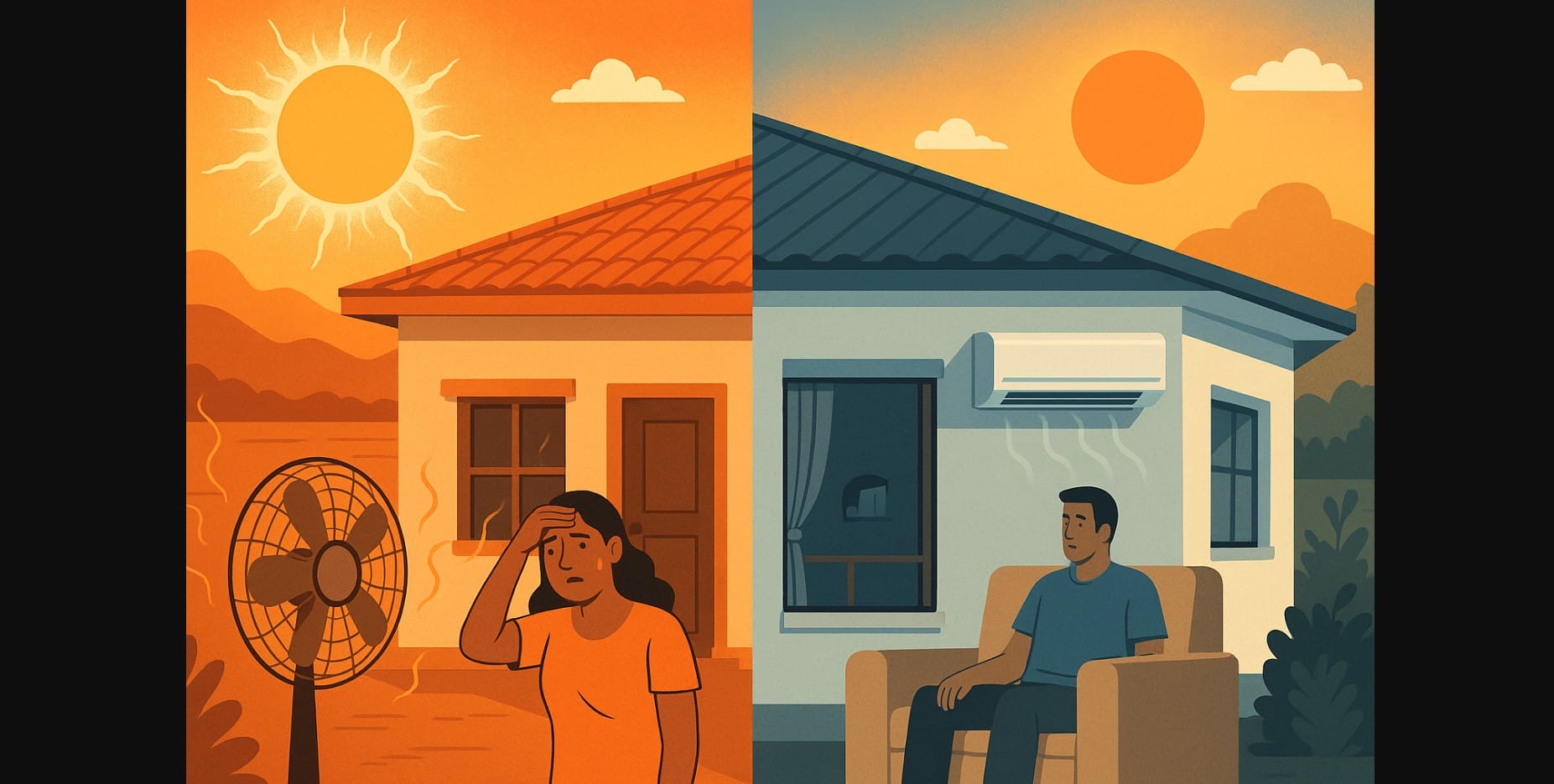
The summer has already set records in many Indian cities, and we’re just getting started. From Delhi to Nagpur, temperatures are crossing 45°C regularly. But it’s not just the heat it’s the combined effect of temperature, humidity, and heatwaves that’s making indoor life difficult even for those with ACs.
Even hill cities like Shimla and Nainital are reporting heat spikes. In major cities, the urban heat island effect caused by concrete, poor ventilation, and dense housing is worsening the problem. Meanwhile, frequent power cuts, voltage dips, and overloaded transformers make cooling inconsistent.
You can no longer rely on old cooling habits. This summer requires real preparation.
1. Signs That Your Home Is Not Summer-Ready
If you’re struggling even with the fan or AC on, your home is telling you it’s not ready. Here’s how to know:
- Rooms feel like ovens after 2 PM, especially those facing west
- Air conditioner takes over 30 minutes to show effect
- High power bills but you still feel hot and tired
- Some rooms remain cool, others are unbearable
- Appliances like fridge or TV are unusually hot to touch
- Family members complain of fatigue, rashes, or headaches despite being indoors
These are not small signs they indicate that heat is overwhelming your cooling system.
2. Is Your Air Conditioner Ready to Handle This Summer?
Most Indian homes use ACs that are either undersized, unserviced, or outdated. Before the real heat kicks in, answer these questions:
Are You Using the Right AC Capacity?
- A 1 Ton AC is ideal for rooms up to 120 sq ft.
- For 150-200 sq ft, a 1.5 Ton AC is minimum.
- Add extra capacity for top floors, west-facing windows, or poor insulation.
When Was Your AC Last Serviced?
If it’s been more than 8-10 months:
- Dirty filters can cut cooling by up to 25%.
- Clogged coils and low gas reduce cooling and increase your bill.
- Lack of regular servicing also increases chances of AC breakdowns during peak summer.
Do You Have a Voltage Stabilizer?
In many parts of India, especially tier 2 and rural areas, low voltage during peak hours can:
- Cause AC compressors to cut off
- Damage PCB boards in inverter ACs
- Lead to complete system failure
A good stabilizer or inverter setup is no longer optional.
3. Small Home Fixes That Make a Big Cooling Difference
Your AC alone can’t fight off the Indian sun. Simple changes can help keep your home cooler throughout the day:
- Use thermal curtains or blackout drapes on windows facing east or west
- Apply reflective window films to block direct sunlight
- Seal window and door gaps with weather stripping
- Insulate top floor ceilings using thermocol, wool rolls, or reflective paint
- Add plants near windows or balconies for natural shade
These may not seem important but they can cut room temperature by 4-8°C and reduce your dependence on AC.
4. Smarter Cooling Habits That Actually Save Money
How you use your air conditioner matters as much as the model you own.
- Set AC at 26°C, not lower and use a ceiling fan to circulate air
- Close doors and windows properly to prevent cool air from escaping
- Pre-cool room for 15-20 minutes, then run on medium power
- Switch to dehumidifier mode (dry mode) on humid days to feel cooler with less energy
- Avoid frequent switching on/off, which puts more load on the compressor
- Use timers or smart plugs to schedule cooling without overuse
5. What If You Don’t Have an AC or Can’t Upgrade?
Many Indian homes still rely on fans or air coolers and with the right techniques, they can be made more effective:
- Desert air coolers are better for dry regions like Rajasthan, Gujarat, parts of UP
- Personal coolers suit smaller rooms or humid cities like Kolkata and Chennai
- Place a bowl of ice or frozen bottles in front of the fan for localized cooling
- Use cotton sheets, light-colored curtains, and avoid heat-generating appliances during daytime
- Keep rooftops painted white or silver-coated to reflect heat
- Sleep on the floor or on a thin mat instead of mattresses that trap body heat
6. A Real Example from Nagpur: Beating the Heat Without a New AC
A middle-class family in Nagpur (West-facing flat, 180 sq ft bedroom) took small steps to reduce indoor heat without buying a new AC.
They:
- Cleaned the AC filter and outdoor coil
- Installed blackout curtains
- Used ceiling fan + AC combo instead of running the AC at 18°C
- Applied mirror-finish reflective film on windows
- Switched to 26°C constant cooling with timer
Result:
- Room cooled faster
- Lower power bill by 28%
- Children could sleep comfortably without AC running all night
7. When It’s Too Hot to Handle: Emergency Measures for Heatwave Days
For days when the temperature crosses 45°C:
- Drink water every 1-2 hours, even if not thirsty
- Use ORS, lemon water, or coconut water to replace lost salts
- Avoid direct cooking use microwaves, rice cookers, or prep cold meals
- Wear loose cotton clothes, avoid synthetics
- For homes without AC:
- Wet your shirt or dupatta slightly and sit under a fan
- Take cold water sponge baths every few hours
- Sleep in the coolest room (usually east-facing or shaded)
- Ensure elderly and kids stay under active monitoring, as they dehydrate faster
- Know local heatwave response services some cities now offer public shelters or mist zones
8. Summer Preparation Checklist for Your Home
Here’s what you should check today to avoid breakdowns and discomfort later:
- AC serviced and filters cleaned
- Thermal curtains or reflective films installed
- Voltage stabilizer or inverter backup tested
- All fans cleaned and working at full speed
- Water stocked, electrolyte packs handy
- Avoid appliances like iron, geyser, or oven during peak heat
This summer is not just about comfort it’s about survival. Preparing your home now can save your health, money, and peace of mind.

