
Refrigerators That Work Best on Inverters: Low-Power, Long Cooling Models
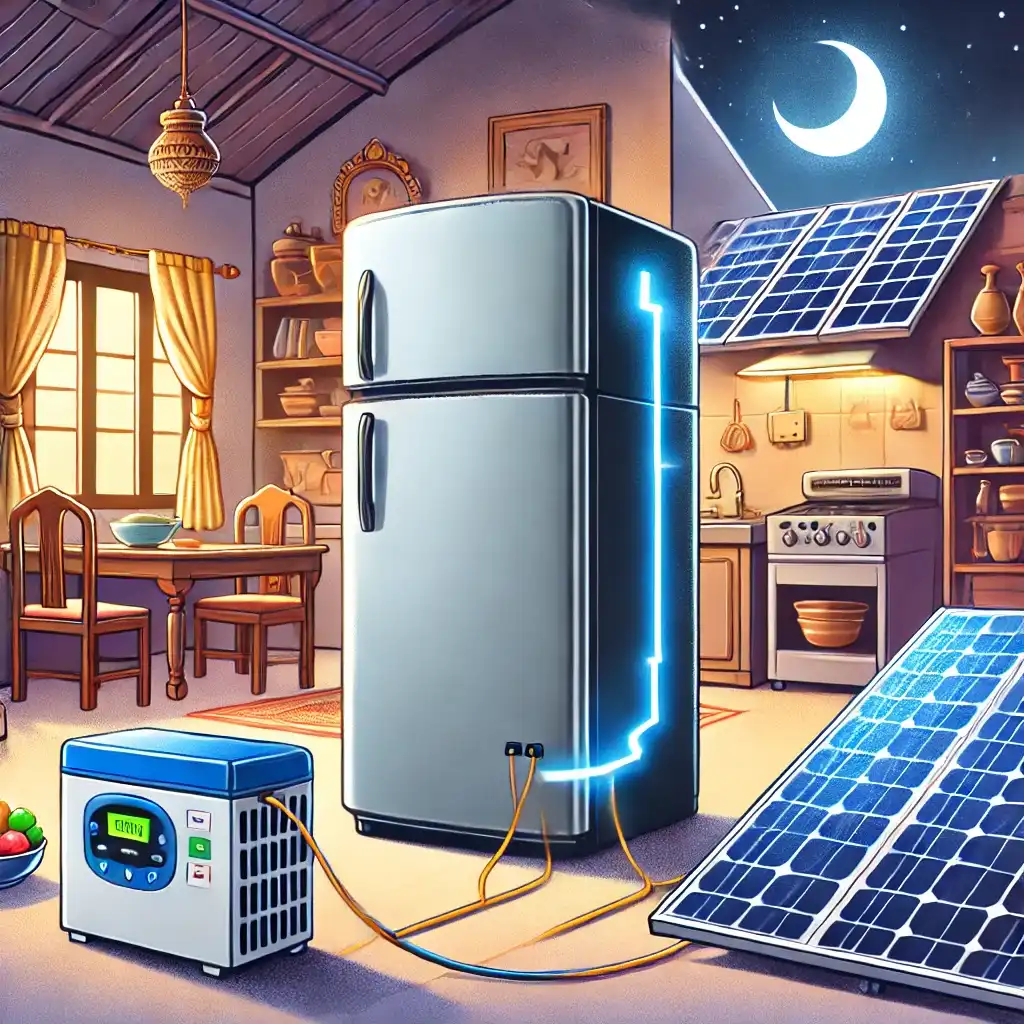
Power cuts are a common issue in many parts of India, especially in rural and semi-urban areas. While modern refrigerators are designed to maintain cooling efficiently, frequent power failures can lead to food spoilage, temperature fluctuations, and increased electricity consumption when the fridge restarts.
Most standard refrigerators are not optimized for long cooling retention, and many models are not compatible with home inverters. This can be a major concern for households where power cuts last several hours or occur multiple times a day.
This guide will help Indian buyers choose refrigerators that:
By the end of this guide, you will know which refrigerators are best suited for areas with frequent power cuts and how to keep your food safe even when electricity is unreliable.
1. What Happens to a Refrigerator During a Power Cut?
Refrigerators rely on a continuous power supply to maintain a stable internal temperature. When electricity is interrupted, several issues arise that can impact food safety and appliance performance.
1.1 Cooling Retention Time Varies
- Most refrigerators can retain cooling for a few hours, but this depends on the insulation quality, door design, and compressor type.
- Direct cool single-door models tend to retain cooling longer than frost-free double-door models.
- High-end models with better insulation can keep food cool for 8 to 12 hours, while budget models may last only 3 to 6 hours.
1.2 Temperature Fluctuations and Food Spoilage
- Perishable food items such as milk, dairy, and cooked food can spoil quickly if the internal temperature rises above safe levels.
- Frequent cooling loss affects vegetables, fruits, and frozen food, reducing their freshness and shelf life.
1.3 Compressor Restart Issues
- When power is restored, the compressor restarts, often drawing a high amount of electricity initially.
- This can cause voltage fluctuations, which may damage internal components if the refrigerator is not stabilizer-free.
1.4 Impact on Inverter Backup
- Many standard refrigerators consume too much power for home inverters, leading to shorter backup times or system overload.
- Choosing a low-wattage, inverter-compatible refrigerator helps extend backup time without draining the inverter battery quickly.
For homes in power-cut-prone areas, selecting a refrigerator with long cooling retention, energy efficiency, and stabilizer-free operation is crucial.
2. How to Choose a Refrigerator for Power Cut-Prone Homes
For households that experience frequent power cuts, selecting the right refrigerator is essential to prevent food spoilage and ensure efficient energy use. The following factors should be considered when making a purchase.
2.1 Cooling Retention Capacity
- The longer a refrigerator can retain cooling during a power cut, the better it is for preserving food.
- Direct cool refrigerators generally retain cooling for 8 to 12 hours, while frost-free models last 4 to 6 hours.
- Models with thicker insulation and vacuum panels provide better cooling retention.
2.2 Power Consumption and Energy Efficiency
- A 4-star or 5-star BEE-rated refrigerator consumes significantly less electricity compared to lower-rated models.
- Inverter compressors help regulate cooling efficiently, reducing power usage and minimizing energy wastage.
- The lower the power consumption, the better the compatibility with inverters or backup power solutions.
2.3 Inverter Compatibility
- Refrigerators with low power consumption (under 100 watts) are ideal for home inverters.
- Some refrigerators have inverter-friendly technology, allowing them to run on solar power or alternative energy sources.
- Avoid large side-by-side models if relying on a home inverter, as they consume more power and reduce backup time.
2.4 Stabilizer-Free Operation
- Voltage fluctuations are common during power restoration, which can damage refrigerator compressors.
- Refrigerators with built-in stabilizer-free operation protect against voltage spikes, extending the lifespan of the appliance.
- In areas with extreme fluctuations, an external stabilizer may still be required for additional safety.
Choosing a refrigerator with these features ensures better performance during power cuts, longer food preservation, and lower electricity bills.
3. Best Power-Saving Refrigerators for Homes with Power Cuts
For households experiencing frequent power cuts, choosing a refrigerator with low power consumption and high cooling retention is crucial. The models listed below are designed to work efficiently even during outages, making them ideal for such conditions.
3.1 Top Refrigerators for Homes with Frequent Power Cuts
| Brand & Model | Capacity | Cooling Retention (Hours) | Power Consumption (Watts) | BEE Star Rating | Price Range |
|---|---|---|---|---|---|
| Samsung Digi-Touch Cool Refrigerator | 225L | 9 hours | 80W | 5-Star | ₹22,000 – ₹28,000 |
| LG Direct Cool Inverter Refrigerator | 190L | 10 hours | 65W | 5-Star | ₹18,000 – ₹24,000 |
| Haier Hour Fresh Refrigerator | 220L | 8 hours | 75W | 4-Star | ₹20,000 – ₹26,000 |
| Whirlpool IntelliFresh Refrigerator | 265L | 10 hours | 85W | 4-Star | ₹25,000 – ₹32,000 |
3.2 Why These Models Are Suitable for Power Cuts
- Longer cooling retention: These refrigerators can keep food cold for 8 to 12 hours after a power cut.
- Lower power consumption: All listed models consume less than 100 watts, making them compatible with home inverters.
- Energy efficiency: Most of these refrigerators have a 4-star or 5-star BEE rating, helping reduce electricity bills.
- Better insulation: Models with direct cool technology tend to retain cooling for longer than frost-free models.
3.3 Who Should Buy These Models?
- Households experiencing frequent or long power cuts.
- Families needing energy-efficient refrigerators that do not drain inverter power quickly.
- Buyers looking for stabilizer-free refrigerators to handle voltage fluctuations.
These refrigerators ensure food stays fresh longer, electricity costs remain low, and backup power lasts longer during outages.
4. Best Inverter-Compatible Refrigerators
For homes with frequent power cuts, it is important to choose a refrigerator that can run efficiently on an inverter without overloading the system. Inverter-compatible refrigerators have low power consumption and optimized cooling, allowing them to function for several hours during an outage.
4.1 Top Refrigerators That Work Well with Home Inverters
| Brand & Model | Capacity | Compatible with Home Inverters? | Backup Time on Inverter |
|---|---|---|---|
| LG Smart Inverter Direct Cool Refrigerator | 215L | Yes | 6-8 hours |
| Samsung Inverter Frost-Free Refrigerator | 253L | Yes | 5-7 hours |
| Whirlpool Inverter Refrigerator | 240L | Yes | 6-8 hours |
| Godrej Edge Pro 5-Star Refrigerator | 210L | Yes | 6-8 hours |
4.2 How to Choose an Inverter-Compatible Refrigerator
- Check power consumption: A refrigerator with power usage under 100 watts is best for inverter backup.
- Battery capacity matters: A 900VA home inverter can run a 65W refrigerator for up to 8 hours.
- Avoid high-power consumption models: Side-by-side and multi-door refrigerators use more power and reduce inverter backup time.
4.3 Benefits of Using an Inverter-Compatible Refrigerator
- Ensures uninterrupted cooling during power cuts without heavy strain on the inverter.
- Reduces electricity bills as inverter refrigerators consume less power.
- Longer inverter backup time compared to conventional refrigerators.
Selecting an inverter-friendly refrigerator ensures that food stays fresh even during long power outages, making it a great choice for homes in power-cut-prone areas.
5. Alternative Backup Options for Refrigeration During Power Cuts
Even with an energy-efficient or inverter-compatible refrigerator, prolonged power outages can still be a challenge. Here are some alternative solutions to keep food fresh and minimize spoilage when electricity is unavailable.
5.1 Using a Voltage Stabilizer
- Power cuts are often followed by voltage fluctuations, which can damage the refrigerator’s compressor.
- Modern refrigerators have stabilizer-free operation, but in areas with extreme voltage changes, an external stabilizer is still recommended.
- A good stabilizer ensures steady voltage, preventing the compressor from overheating or shutting down unexpectedly.
5.2. Solar-Compatible Refrigerators
- Some refrigerators are designed to work with solar power systems, making them an excellent choice for homes with unreliable electricity.
- Solar-powered refrigerators operate on battery storage, ensuring continuous cooling even during long power cuts.
- Although these models require an initial investment in solar panels and a battery system, they provide a long-term solution for off-grid or rural areas.
5.3 Ice Packs and Insulated Storage
- Keeping ice packs or frozen water bottles in the freezer can help maintain low temperatures during power cuts.
- Insulated storage boxes can temporarily keep perishable food items fresh, reducing the risk of spoilage.
5.4 Portable Power Backup Solutions
- Some refrigerators can run on external battery backups or power banks with sufficient wattage.
- High-capacity power stations designed for home use can provide short-term backup cooling in case of emergencies.
5.5 Which Backup Option is Right for You?
- For short power cuts (1-3 hours): Ice packs and stabilizers are sufficient.
- For medium outages (4-8 hours): An inverter-compatible refrigerator with a home inverter is ideal.
- For long outages (8+ hours): Solar-powered refrigerators or high-capacity battery backups provide the best solution.
By combining the right backup methods with an energy-efficient refrigerator, Indian buyers can reduce the impact of frequent power cuts while ensuring reliable food preservation.
7. Summary – Choosing the Right Refrigerator for Frequent Power Cuts
For households that experience frequent power cuts, selecting the right refrigerator is essential to prevent food spoilage, reduce electricity consumption, and ensure long-term durability.
Key Takeaways for Buying a Refrigerator in Power-Cut-Prone Areas
- Cooling retention matters – Choose models with better insulation that can keep food cold for 8-12 hours during outages.
- Inverter compatibility is essential – Opt for low-wattage refrigerators (under 100W) that can run efficiently on home inverters without draining the battery.
- Energy efficiency saves money – A 4-star or 5-star BEE-rated refrigerator reduces electricity bills and makes inverter backup last longer.
- Stabilizer-free operation protects the compressor – Voltage fluctuations after power restoration can damage a fridge, so choosing a stabilizer-free model is recommended.
- Consider alternative backup options – Households in areas with extended outages should look at solar-compatible refrigerators or portable power backups.
For most Indian households, a direct cool, inverter-compatible, 4-star or 5-star refrigerator is the best choice for handling power cuts efficiently. Instead of spending on smart features or large side-by-side refrigerators, invest in better insulation, energy efficiency, and inverter-friendly models.

