
My New Phone Was Fine – But It Frustrated Me Every Day
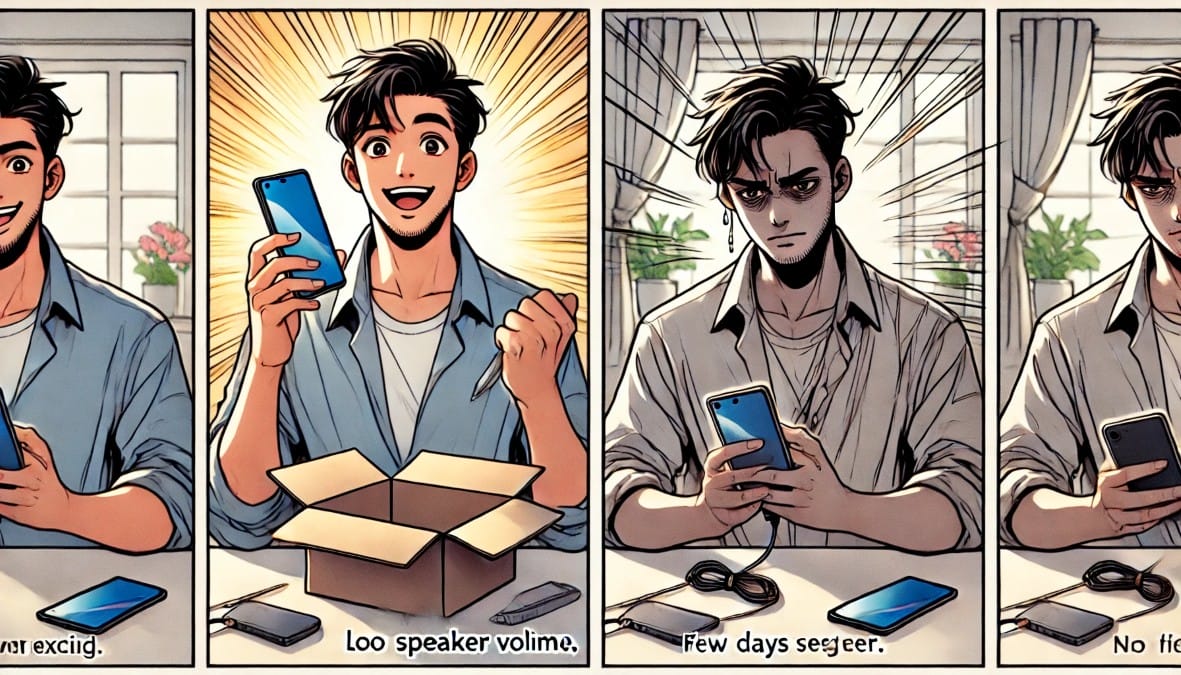
The Specs Looked Great. Real Life Didn’t – When I bought my last phone, I thought I’d made a smart decision. Good brand, Big screen, Triple camera, Battery that could last the whole day.
Reviews looked decent, specs were better than other phones in my budget, I was sure I nailed it.
Two weeks later, I wasn’t so sure.
- I was missing calls because the speaker wasn’t loud enough.
- The screen looked weird in sunlight.
- The fingerprint sensor worked only when it felt like it.
- The phone kept pushing pop-ups and “smart recommendations” I didn’t ask for.
Turns out, the phone was good but not for me. Here’s what I learned, what I missed, and what I’ll never ignore again.
1. Everything Looked Fine on Day 1 – That’s the Trap
Right after unboxing, the phone seemed great:
- It charged fast
- The UI looked smooth
- YouTube played fine
- Camera photos looked sharp in good lighting
But in daily life, tiny problems started piling up:
- Calls dropped randomly
- Messages were delayed because of notification bugs
- The phone got warm during basic use
- Fingerprint unlock lagged at the worst moments — like at a shop counter during a UPI payment
These weren’t “big” problems. But they were daily frustrations.
2. The Specs Didn’t Match My Real Needs
I chose the phone because:
- It had 3 cameras
- It said “gaming processor”
- It promised long battery life and AI features
But here’s what actually mattered:
- Camera: I only use one lens, mostly for receipts and family photos
- Gaming: I don’t even play games — I just wanted WhatsApp and UPI to work fast
- Battery: It drained quicker than expected, especially with bloatware running in the background
Lesson learned: I bought based on buzzwords, not behavior.
3. The Small Details I Ignored Became Big Problems
| What I Overlooked | Why It Became a Daily Headache |
|---|---|
| Speaker loudness | I missed calls on the road and at home |
| Display brightness | Couldn’t read messages in sunlight |
| Fingerprint sensor speed | Delayed payments and unlocking |
| UI bloat and app spam | Confused my parents, slowed the phone |
| Software update policy | Security updates stopped after a few months |
If I had tested these before buying, I would’ve picked differently.
4. What I’ll Never Ignore Again (And You Shouldn’t Either)
| Must-Have | Why It Matters |
|---|---|
| Clear and loud speaker | So I never miss calls or videos again |
| Comfortable screen readability | Indoors and outdoors, eyes shouldn’t struggle |
| Fast, reliable unlock | Critical for everyday apps and payments |
| Clean software experience | No ads, no spam, less confusion for anyone using it |
| Local service support | So I don’t have to travel far when something goes wrong |
These don’t sound exciting – but they’re what make a phone easy to live with.
Summary: What I Thought I Needed vs. What I Actually Needed
| What I Looked For | What Actually Mattered |
|---|---|
| High megapixel camera | Clear photos + fast open time |
| Refresh rate and processor | Smooth, lag-free UI with fewer bugs |
| Big battery | App optimization + clean background processes |
| AI features | A phone that stays out of the way |
| Long spec list | A phone that works without drama every day |
Final Thought: The Best Phone Doesn’t Feel Like a Gadget – It Just Works
I thought I was buying a great deal. And maybe it was — for someone else.
But the truth is: no phone review can tell you how it feels to use a phone every day.
It’s the little things — slow unlock, poor speaker, hard-to-read text that turn a phone into a headache. So if you’re buying a phone soon, don’t just focus on specs or hype.
Instead, ask:
- “Will this phone make my daily life smoother?”
- “Will it still feel good to use after the excitement wears off?”
Because a phone is not just something you own – it’s something you live with. Choose one that quietly supports you – not one that slowly annoys you.

