
Understanding Coffee Pricing in India: From Farm to Cup
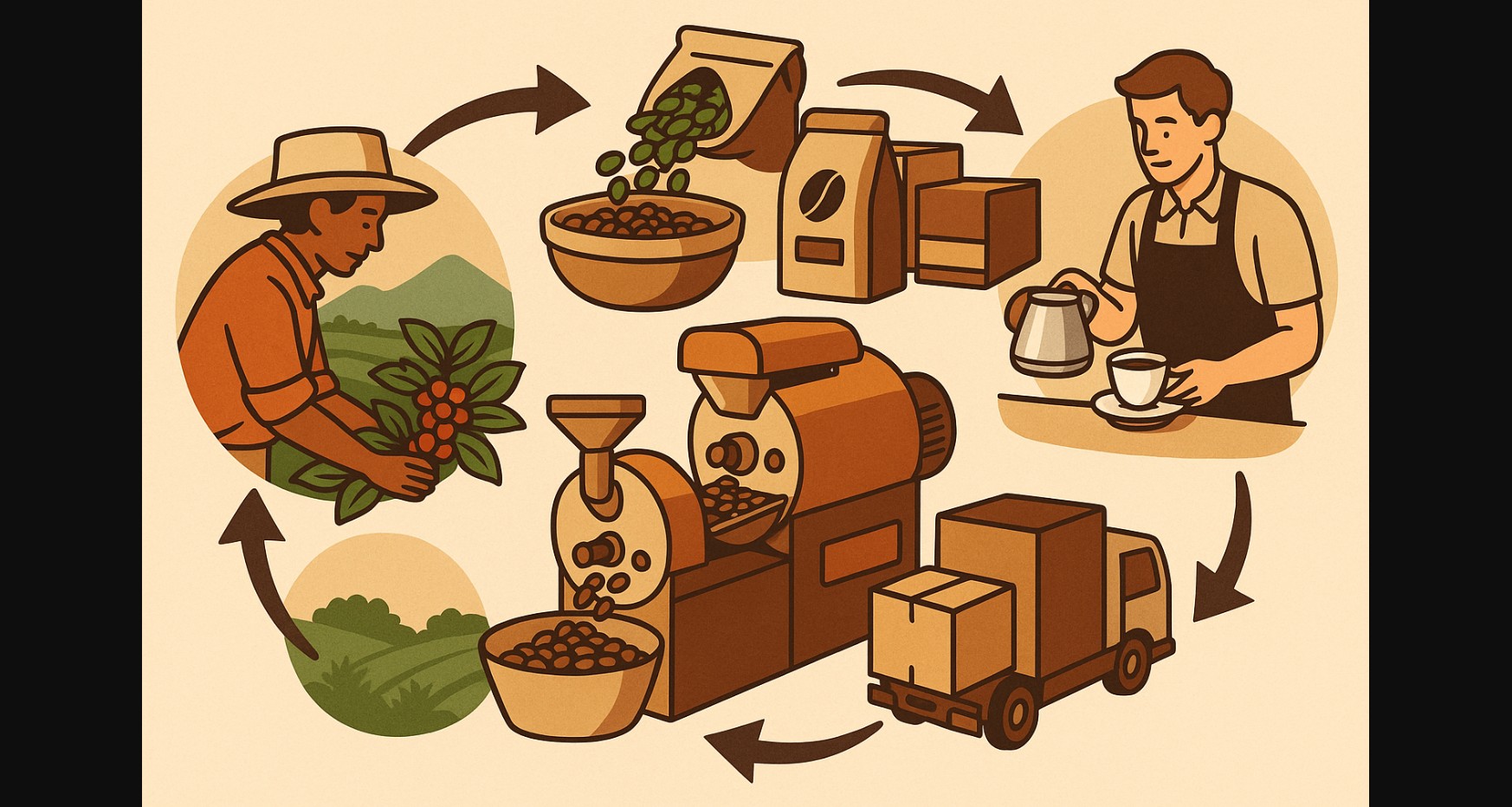
India is one of the largest coffee producers in the world, particularly known for its high-quality Arabica and Robusta beans. Coffee is not just a drink in India; it’s part of the culture and social fabric. However, the price you pay for that cup depends on many factors within the coffee supply chain, from the farm where it’s grown to the coffee shop where it’s brewed.
In this post, we will explore the different components of the coffee supply chain in India and how they contribute to coffee prices.
1. Understanding the Coffee Supply Chain in India
The coffee supply chain in India is complex, involving various steps from farming to retail, each with its own set of costs. Let’s break down the key stages of this journey.
Farm Gate Price: The First Step in the Supply Chain
The farm gate price is the price coffee farmers receive for raw coffee beans. India produces both Arabica and Robusta beans, each with its own price point based on quality, climate conditions, and production methods. The cost at this stage is determined by several factors, including:
- Labor Costs: Coffee farming is labor-intensive. Wages for workers harvesting and processing the beans significantly impact the farm gate price. For example, in regions like Coorg, farmers hire seasonal workers during the harvest season, and wages can vary depending on the region and labor availability. As wages increase, the price of coffee at the farm gate also rises.
- Climate Variability: Coffee is a climate-sensitive crop. In Wayanad, farmers have seen reduced yields due to inconsistent rainfall, making the beans less abundant and therefore more expensive. These changes in weather patterns can directly increase farm gate prices.
- Coffee Variety: Higher-quality varieties like Arabica beans command a higher price compared to Robusta due to their distinct taste and more demanding growing conditions. For example, Arabica beans grown in Chikmagalur are often priced higher due to their smoother, less bitter taste and increased labor intensity.
Processing: Turning Beans into Usable Coffee
Once harvested, coffee beans undergo processing, which involves washing, drying, and sorting. The method of processing impacts the flavor profile and cost:
- Wet Processing: The beans are washed to remove the fruit surrounding them. This method is labor-intensive and requires large quantities of water, increasing costs. Coorg is known for wet processing, which involves greater labor input but results in high-quality coffee.
- Dry Processing: In this method, the coffee cherries are left to dry in the sun. It is less costly but may affect the flavor profile of the coffee. Many farms in Wayanad still use this method due to lower operational costs.
- Sustainability Certifications: Many farmers are now turning to organic or fair-trade certified processing methods to meet the demands of eco-conscious consumers. These certifications come with higher costs, which are passed on to the final price of the coffee.
Roasting: The Crucial Flavor Step
Roasting is where coffee beans take on their distinctive flavors and aromas. This stage is crucial in determining the final quality of the coffee and involves the following costs:
- Energy Consumption: Roasting is an energy-intensive process. A coffee roaster in Bangalore may use electricity or gas, both of which have fluctuating costs. As energy prices rise, so does the cost of roasting, which directly affects the final price of coffee.
- Technology and Labor: High-tech roasting machines used in industrial settings are more expensive than traditional small-batch roasting. However, artisan roasters in Mumbai or Delhi may choose small-scale, craft roasting methods, which require skilled labor and contribute to a higher price per bag of roasted beans.
- Roast Variations: Light roasts take less time to roast and may be cheaper, whereas dark roasts, which require longer roasting times, often cost more. Specialty coffee shops in Kochi may offer dark-roast blends for those who prefer stronger flavors, and the additional roasting time makes the product more expensive.
Packaging: Protecting the Coffee
Packaging plays a vital role in preserving the freshness of coffee and influencing its market appeal. High-quality, eco-friendly packaging adds to the cost but can also appeal to consumers willing to pay a premium for sustainable options. Packaging also includes labeling, branding, and the creation of attractive retail packaging, which all factor into the final price of coffee.
- Sustainability: Many consumers are willing to pay a premium for eco-friendly packaging. Brands like Blue Tokai use biodegradable packaging, which can cost more than plastic but appeals to eco-conscious buyers. This type of packaging influences the overall price of the product.
- Branding and Quality: Packaging is also tied to branding. A high-quality, well-designed package attracts consumers and can justify a higher price. Coffee from specialty roasters like Sleepy Owl often comes in premium packaging, which increases the price.
Logistics and Distribution: Moving Coffee Across India
After processing and roasting, the coffee beans must be transported to different regions, including local markets and export points. Costs related to logistics include:
- Transportation: Coffee beans are often moved by road, rail, or air, and transportation costs can vary depending on fuel prices, infrastructure, and location. For example, transporting beans from the coffee estates in Coorg to Delhi requires several days of road transport, which can add significant costs to the final price.
- Storage: Warehousing fees for storing roasted beans, especially if they are being exported or sold through e-commerce platforms, contribute to the overall cost. Coffee brands like Nescafe may store their products in large, temperature-controlled warehouses to maintain freshness, increasing the cost of storage.
Marketing and Retail Margins: The Final Touch
Once coffee reaches retailers, whether grocery stores, coffee shops, or online platforms, it is subject to marketing and retail margins. Coffee brands invest in advertising campaigns to attract consumers, and retailers mark up prices to cover their operating costs and earn a profit. This stage can significantly increase the price of coffee due to:
- Branding and Positioning: Premium brands or artisanal coffee often have higher price tags due to their market positioning. For example, Sleepy Owl, known for its cold brew coffee, positions itself as a premium product, and the brand’s marketing and packaging justify the higher price point.
- Retail Markup: Retailers, especially cafés and online shops, apply significant markups on coffee. A simple cup of coffee at a local café in Chennai may cost more than a packet of roasted beans due to overheads like staff salaries, rent, and equipment.
2. Key Cost Components Driving Coffee Prices
Several key cost components contribute to the price of coffee at each stage of the supply chain:
Raw Material Cost
The cost at the source, what farmers are paid for coffee beans, directly influences the price of coffee. Fluctuations in the global coffee market, crop failures, and increasing labor costs can all affect the farm gate price.
- Example: A surge in global coffee prices due to a shortage in Brazil can directly raise the farm gate price for Indian coffee farmers, impacting the price at which consumers purchase coffee.
Production Costs
- Processing Costs: Costs incurred during coffee processing, including labor, machinery, and infrastructure.
- Example: The wet processing method requires more labor and water, thus increasing the cost per batch of processed beans.
- Roasting Costs: Energy consumption, skilled labor, and high-tech equipment make roasting an expensive process.
- Example: Industrial roasters in Hyderabad using high-efficiency machines may lower roasting costs, while smaller artisan roasters in Goa focus on craft roasting, which can increase the price.
- Packaging: Sustainable packaging options, though more costly, cater to eco-conscious consumers and add a premium to the price.
- Example: Coffee brands like Blue Tokai and Third Wave Coffee use eco-friendly packaging, which appeals to the growing market for sustainable products.
Logistics and Distribution
Transportation, warehousing, and shipping costs contribute to the final price, particularly when coffee is exported or sold across the country.
- Example: Coffee transported from Coorg to Mumbai via road may incur costs due to tolls, fuel, and transport delays, all of which add to the final price consumers pay.
Marketing and Retail Margins
Branding, advertising, and profit margins applied by coffee retailers contribute to the final retail price.
- Example: A cup of coffee at a Starbucks café in Delhi includes costs for premium ingredients, high-end retail space, and brand marketing, all contributing to a higher price.
3. Global and Local Factors Affecting Coffee Prices
Global Coffee Price Trends
Coffee is a globally traded commodity, and international price fluctuations impact local pricing. If there is a surge in demand or a reduction in global supply, the price of coffee worldwide can affect the cost of coffee in India.
- Example: A poor harvest in Brazil or Vietnam can drive up global coffee prices, and in turn, increase the price of coffee sold in India.
Government Policies and Subsidies
Indian coffee farmers benefit from government subsidies, but fluctuating import duties, taxation policies, and trade agreements can influence the cost structure of coffee production.
- Example: The government may introduce a subsidy to help farmers combat rising input costs like fertilizers, which can help stabilize prices for consumers.
Demand Fluctuations
Consumer preferences are shifting towards specialty coffee, organic coffee, and single-origin beans, which often come at a premium price. This shift in consumer behavior can increase the cost of these specific types of coffee.
- Example: Specialty coffee from regions like Wayanad or Chikmagalur is increasingly in demand, leading to price hikes for these premium beans.
Climate Change
Coffee is highly sensitive to climate conditions. Unpredictable weather patterns, such as heatwaves and irregular monsoons, can affect yields, resulting in supply shortages that increase coffee prices.
- Example: A drought in the Coorg region can result in a poor coffee harvest, driving up prices for consumers as supply dwindles.
4. Additional Factors Influencing Coffee Pricing in India
Economic Factors and Inflation
Inflation in India impacts the prices of all goods, including coffee. Rising fuel costs, increasing wages, and inflation in other sectors directly raise the cost of coffee production and consumption.
Supply Chain Inefficiencies
Inefficiencies in the supply chain, such as waste during the roasting process or delays in transportation, can lead to higher prices. Poor infrastructure in rural areas also adds to logistics costs, which can be passed on to the consumer.
The Role of Coffee Cooperatives
Many coffee farmers in India are part of cooperatives that help ensure fair trade practices and access to resources. These cooperatives negotiate for better prices and support farmers in obtaining fair compensation for their work.
Technology and Innovation in Coffee Production
Advancements in coffee farming techniques, processing methods, and roasting technology are reducing costs and improving quality. However, investments in technology can be costly, influencing the price of the final product.
Consumer Trends
Consumer demand for premium coffees like single-origin beans, specialty blends, and organic varieties continues to rise. As these trends grow, coffee producers and sellers are forced to adapt, often resulting in higher prices for these premium products.
5. Summary – Why Coffee Prices in India Are Rising
The journey of coffee from farm to cup is influenced by a complex set of cost components, from the farm gate price to retail margins. Coffee prices in India are determined by factors such as production costs, logistics, and global market trends. The rising demand for specialty coffees, the challenges posed by climate change, and the evolving economic conditions all play a part in shaping the coffee prices that consumers see on their cups. Understanding these various components can help you appreciate not only the cost of your favorite cup of coffee but also the work that goes into making it a reality.
As the Indian coffee market continues to grow, the evolution of both local and global factors will likely continue to influence how much you pay for that morning brew.

