
Why Premium Coffee Costs More in India: Pricing Strategies of Starbucks & Davidoff
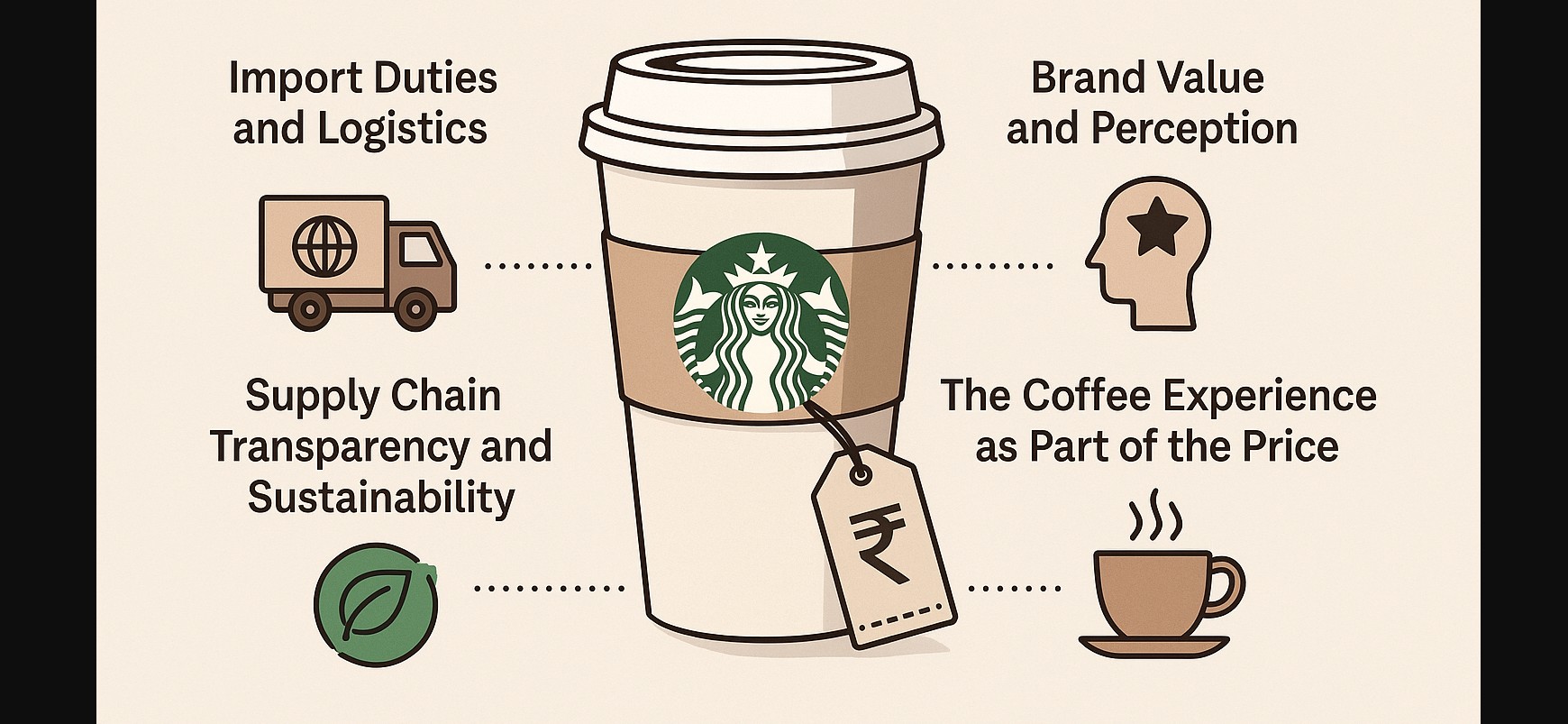
In a country traditionally dominated by tea drinkers, coffee has increasingly become the drink of choice for many, especially in urban areas. While coffee was once confined to the likes of instant brands or roadside cafes, the past decade has seen a significant shift. Today, the premium coffee market in India is booming, with global brands like Starbucks and luxury names like Davidoff catering to a growing consumer base that values both taste and experience.
But one question looms large, why does premium coffee cost so much? Is it the quality? The brand prestige? Or something else entirely? In this post, we’ll take an in-depth look at how premium coffee brands price their products in India, exploring the factors like import duties, brand perception, supply chain transparency, and the aspirational value associated with these products. Let’s dig into the real price of prestige!
The Components of Premium Coffee Pricing
1. Import Duties and Logistics
One of the main factors that drive up the cost of premium coffee is the import duties and the cost of getting these beans into India. Luxury coffee brands like Starbucks, Davidoff, and international coffee pod makers like Nespresso often import their products. This means they face significant customs duties, shipping costs, and taxes, all of which contribute to the final retail price.
How Import Costs Affect Pricing
- Import Duties: India imposes import duties on coffee, especially for imported beans, pods, and blends. These duties can range from 30% to 50% of the total cost, depending on the country of origin and whether the coffee is considered specialty or bulk.
- Shipping and Handling: Premium coffee brands also incur higher costs for global shipping and warehousing, which ultimately adds to the final price for consumers.
- Packaging: Luxury coffee brands often use high-end packaging, which can include specially designed boxes, airtight jars, or eco-friendly materials. This packaging is part of the premium experience but adds to the overall cost.
2. Coffee Brand Value and Perception
When it comes to luxury products, much of the price comes from brand value and perception. The brand’s reputation, history, and status can justify higher prices for consumers who are willing to pay for exclusivity. Brands like Starbucks and Davidoff have positioned themselves as more than just coffee, they are symbols of prestige and lifestyle.
Aspirational Pricing
- Lifestyle Branding: Starbucks, for example, doesn’t just sell coffee; it sells a lifestyle. The experience of drinking a cup of Starbucks coffee, sitting in its café, and immersing oneself in the global coffee culture adds an intangible premium that justifies the higher price tag.
- Luxury and Exclusivity: For brands like Davidoff, the exclusivity of the brand is a key factor. You are paying for more than just a cup of coffee, you’re paying for a luxury experience that sets you apart from the regular consumer.
Perceived Quality
Premium pricing often leads consumers to believe that these brands offer better quality. The connection between price and quality perception is strong: higher prices lead to expectations of superior taste, sourcing, and experience.
3. Coffee Supply Chain Transparency and Sustainability
Increasingly, coffee drinkers are looking for ethical sourcing and sustainable practices in the brands they support. Premium coffee brands are more likely to use fair trade certified beans, invest in direct trade with farmers, and ensure their coffee is grown in an environmentally conscious manner. While this is fantastic for ethical reasons, it often results in higher costs, which are passed on to consumers.
How Sustainability Impacts Pricing
- Fair Trade and Direct Trade: Premium coffee brands often work directly with farmers, ensuring better wages and working conditions. While this is a positive aspect for the coffee industry, it adds to the production cost.
- Organic and Single-Origin Beans: Many luxury coffee brands use single-origin or organic beans, which come at a higher price due to their limited availability and the specialized farming methods required.
4. The Coffee Experience as Part of the Price
For brands like Starbucks, the experience is just as important as the coffee itself. The price of a Starbucks coffee doesn’t just include the beans; it includes the store ambiance, customer service, and the social status that comes with drinking coffee from such a well-known brand.
Coffee Shop Experience
- Atmosphere: Starbucks, for example, is not just about drinking coffee. It’s about the experience of spending time in their cafes, meeting people, or working on your laptop in a comfortable, modern setting. This creates an environment where people are willing to pay more for the coffee.
- Brand Ambiance: Many luxury coffee shops, including Davidoff or Blue Tokai’s premium outlets, create an atmosphere that elevates the coffee experience to a higher level of prestige. This atmosphere is factored into the price.
Case Study: Starbucks Coffee Price in India
Starbucks is one of the most prominent global coffee chains in India, and its pricing strategy is a perfect example of how premium coffee brands use branding and pricing to cater to a specific market segment.
How Starbucks Prices Its Products
- Menu Pricing: Starbucks prices its coffee based on several factors including its international brand recognition, the experience it provides, and the imported ingredients (like beans, syrups, and milk). A standard espresso-based drink can cost anywhere between ₹150-₹500, depending on the size and customization.
- Premium Offerings: Premium options like Frappuccinos or limited-edition beverages can be priced much higher, ranging from ₹300 to ₹700. These prices reflect the aspirational value of enjoying a Starbucks drink in a premium environment.
Why Starbucks is More Expensive in India
- Brand Power: The price you pay for a Starbucks coffee isn’t just for the drink. It’s paying for the experience, the atmosphere, and the brand power that comes with it.
- Operating Costs: High operating costs due to location rent, staff wages, and maintaining the international store ambiance also contribute to the elevated price.
Case Study: Davidoff Instant Coffee
While Starbucks is a chain with wide appeal, Davidoff Coffee focuses on the luxury segment. This brand offers premium coffee that is marketed not just as a product but as a status symbol.
Luxury Coffee and Its Price Tag
- A Premium Experience: With Davidoff, you’re not just paying for a high-quality coffee bean. You’re paying for the luxury of exclusivity. A pack of Davidoff Coffee can cost anywhere between ₹1,200 to ₹2,500 for just 100g, making it an aspirational product for coffee connoisseurs.
- Imported and Exclusive: Davidoff’s beans are sourced from the world’s finest coffee-growing regions and sold through exclusive retail channels, justifying its higher price.
Cost of Entry for Luxury Brands
Davidoff, like other luxury brands, also faces challenges when entering a market like India. With the rise of local coffee consumption and demand for international brands, luxury coffee companies must spend on marketing, brand positioning, and retail presence to justify the premium price.
Price Comparison: Premium vs. Mass-Market Coffee Brands
To provide a clearer picture, here’s a comparative analysis of the pricing of premium and mass-market coffee brands in India:
| Brand | Product Type | Price Range (INR) | Notes |
|---|---|---|---|
| Starbucks | Espresso-based drinks | ₹215 – ₹355 | Prices vary by location and customization options. |
| Davidoff | Instant Coffee (100g) | ₹550 – ₹750 | Premium pricing due to brand value and import costs. |
| Nescafé | Instant Coffee (100g) | ₹399 – ₹495 | Widely available and affordable. |
| Bru | Instant Coffee (100g) | ₹150 – ₹400 | Popular choice with a range of products. |
| Tata Coffee | Instant Coffee (100g) | ₹200 – ₹500 | Offers a variety of blends at competitive prices. |
As seen in the table, premium brands like Starbucks and Davidoff command higher prices, reflecting their brand positioning, quality, and the overall experience they offer. In contrast, mass-market brands like Nescafé, Bru, and Tata Coffee provide more affordable options without compromising on basic quality.
Summary: The Truth About Premium Coffee Pricing in India
The price of premium coffee brands like Starbucks and Davidoff is not just about the cost of the beans. It’s about the brand value, import duties, experience, and exclusivity that these brands bring to the table. While the price might seem steep compared to mass-market options, many consumers are willing to pay more for the lifestyle and status that come with luxury coffee.
When it comes to choosing between mass-market and premium coffee, it all boils down to what you’re truly paying for, the taste, the experience, or the prestige of the brand.

