
Time-Saving with Food Processors – Real Examples from Indian Kitchens
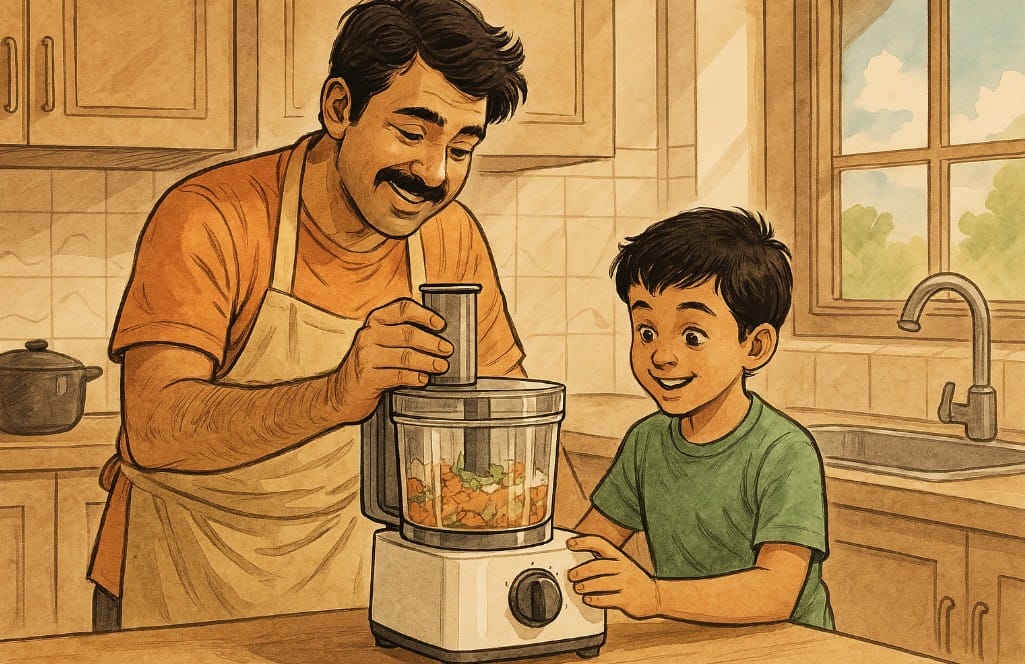
Discover where food processors truly save time in Indian kitchens and where they don’t. Avoid common mistakes and learn smart daily-use strategies. Food processors promise faster cooking but for many Indian users, the reality is mixed.
You either:
- Use it for everything and end up frustrated with cleaning
- Use it too little and wonder why you bought it
- Or assume it’ll do all your chopping and kneading better than hands ever could
This guide is not about what a food processor can do. It’s about what it can do efficiently, consistently, and without wasting your time.
You’ll learn:
1. Where Food Processors Truly Save Time (That’s Worth the Cleanup)
In real kitchens, you don’t just want features—you want results with less effort. These are tasks where a food processor gives you genuine time savings:
1.1 Prepping Vegetables in Batches (2+ Meals at Once)
Instead of using it daily for one meal, use it every 2–3 days to chop onions, grate beetroot, shred cabbage, or slice veggies for stir-fries in one go.
Store prepped veg in airtight containers. Now you’re using the processor once, but gaining time over multiple meals.
1.2 Cooking for More Than 3 People
Manual chopping takes time and adds up fast. If you’re regularly cooking for 4+ people, slicing potatoes, grating carrots, or prepping bhaji becomes noticeably faster with a processor.
1.3 Roti or Thepla Days in Bulk
If you’re making atta just for lunch, a processor may not help. But on days when you’re making 10–15 rotis or multiple dough types, it gives your hands a break and keeps consistency.
2. What Slows You Down (Even if It Looks Fast)
Not all tasks are worth powering up the processor for. These often take longer overall, despite appearing convenient.
2.1 Using It for One Onion or a Few Veggies
If you’re making bhindi or sabzi for 1-2 people, you’ll likely spend more time assembling, processing, and cleaning than it takes to chop by hand.
Rule: If what you’re prepping fits in your hand, use a knife. If it fills a bowl, use the processor.
2.2 Expecting One-Touch Perfection
It doesn’t know what size you want. If you let it run too long, you’ll end up with onion paste or shredded pulp.
Solution: Use short pulses, and check texture after each burst especially for tomatoes, onions, or mixed sabzi.
2.3 Using Too Many Attachments at Once
Switching blades between grating, chopping, and slicing slows you down. Do similar tasks together.
Better approach:
Grate everything first – rinse – chop everything – rinse
Don’t switch blades every two minutes.
3. Smart Daily Strategies That Save Time in Practice
These habits help turn your food processor into a real-time saver—not a fancy decoration.
3.1 Batch and Store in Stages
Prep grated veg for 3 meals at once. Or slice and freeze veggies for the week in ziplock bags. Saves time every single day.
3.2 Prep Softer Items Manually, Harder Items Mechanically
Chop coriander, tomatoes, and chillies manually—no motor mess.
Use the processor for hard, repetitive tasks like beetroot, carrot, or dough.
3.3 Treat Cleanup as Part of the Job
Clean immediately after use. Letting pulp dry or oil set makes cleaning longer than prep. A 2-minute rinse can become a 10-minute scrub if delayed.
4. Can Food Processor Replace Your Knife Entirely? Not Really.
In Indian kitchens, knife work is more than just chopping it’s control over size, shape, and doneness. A food processor offers speed, but not finesse.
| Task | Food Processor | Manual Knife |
|---|---|---|
| Cabbage for pakora | Faster | But manageable |
| Onion for pulao | Risk of mush | Reliable |
| Bhindi, brinjal | Damages shape | Better |
| Tomato for salad | Becomes pulp | Clean slices |
| Gajar halwa prep | Saves time | Painfully slow |
Use the machine for volume, and the knife for precision. That’s the balance most Indian kitchens need.
Summary – Make Your Food Processor Work for You
A food processor doesn’t save time by default it saves time when you:
- Use it for larger tasks, not every small one
- Stick to batch prep, not single-meal routines
- Combine it with good planning and quick cleanup habits
Don’t expect it to replace your knife. Use it to reduce fatigue, speed up prep when needed, and make bulk cooking easier not for every slice, every day.
Used right, it won’t just save you time it’ll save your energy.

