
Are Eco-Friendly Alkaline Batteries Better or Just Rebranded?
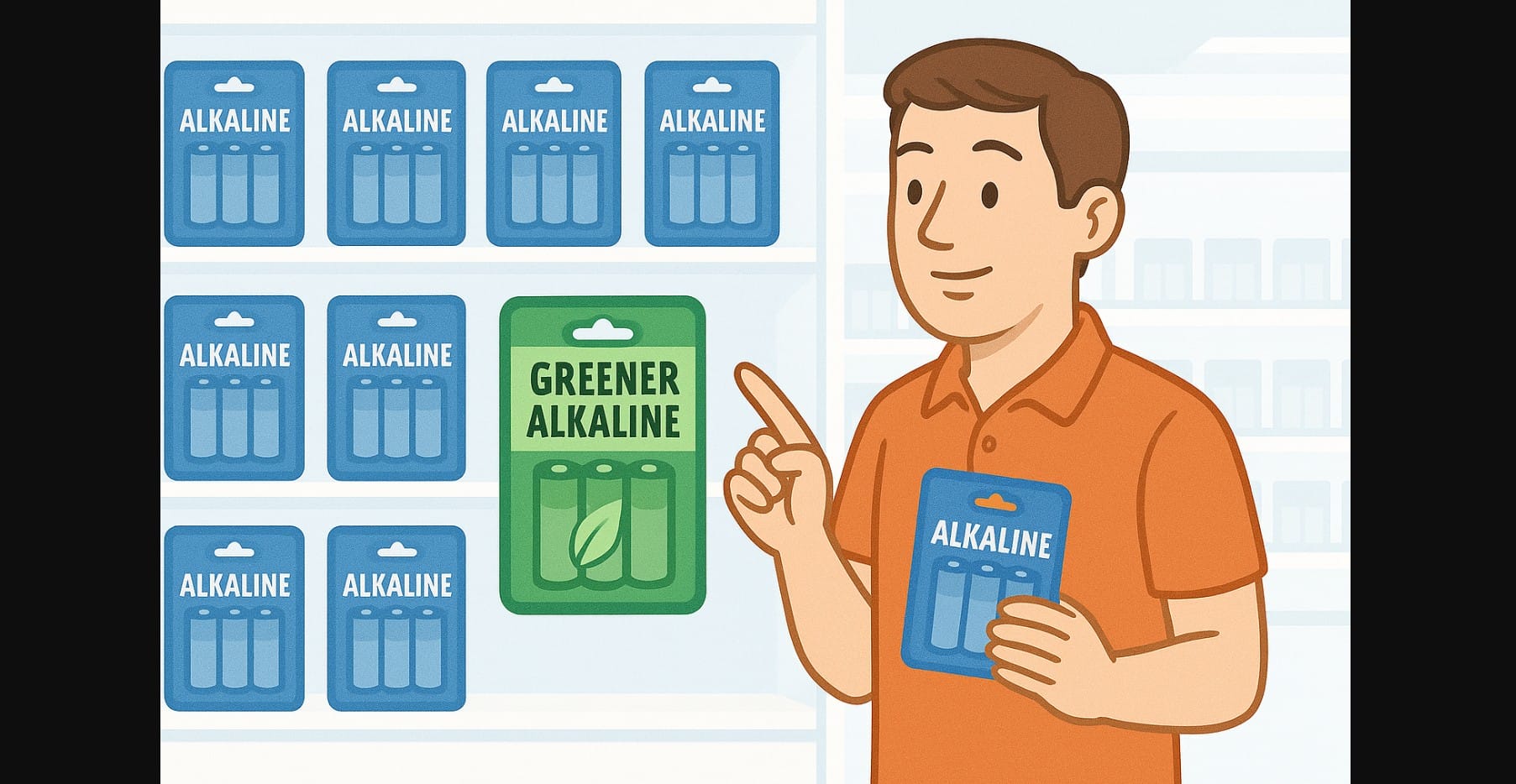
You’ve probably seen them on supermarket shelves or online listings alkaline batteries in green packaging, labeled with terms like “eco,” “mercury-free,” “low impact,” or “safe for the planet.” As sustainability becomes a growing concern in India, brands are quick to promote these batteries as a better environmental choice.
But are these claims actually meaningful? Or is it just marketing dressed in green?
1. What “Eco-Friendly” Really Means for Alkaline Batteries
Mercury-Free Isn’t New
Many batteries now carry the “mercury-free” label, suggesting they are safer or more environmentally sound. But here’s the reality:
Mercury has already been banned or severely limited in batteries under Indian and international regulations for years. Nearly all major brands Duracell, Eveready Ultima, Panasonic, and Energizer have followed this standard for a long time.
So when a battery says “mercury-free,” it’s not going above and beyond it’s just complying with the law.
RoHS Compliance Means Safety, Not Sustainability
Some battery packs carry the label “RoHS Compliant,” which refers to the Restriction of Hazardous Substances directive. This limits the use of harmful materials like lead, cadmium, and chromium in electronic products.
While RoHS compliance is good, it doesn’t mean the battery is recyclable, biodegradable, or eco-friendly in the way most consumers assume. It just means the battery contains fewer toxic materials.
Eco Packaging doesn’t mean Eco Battery
Some brands now pack batteries in cardboard boxes or use recyclable plastic wrapping. This might reduce waste from packaging but it does nothing to change the battery itself, which is still a single-use product that ends up in landfills.
In short: you’re not doing the planet a big favor by choosing eco-packaged alkaline batteries you’re just avoiding some extra plastic.
2. What Happens to Green Alkaline Batteries After Use in India
Still Single-Use
No matter how eco-friendly the label sounds, all alkaline batteries are disposable. You use them once and throw them away.
No Widespread Recycling in India
India doesn’t have a formal nationwide system to recycle household batteries. Even batteries labeled “eco” usually end up in mixed waste, where they can leak electrolytes or metals into soil or groundwater.
Less Toxic but not Harmless
Yes, modern batteries are less toxic than older types. But lower toxicity doesn’t mean they’re safe to landfill especially in the volume used in urban households.
3. How to Spot Real vs Misleading Eco Alkaline Battery Claims
Look for These
- Clear BIS or RoHS certification logos
- Brand-backed claims with traceable websites or policies
- Packs with manufacturing and expiry dates clearly listed
Avoid These
- Batteries with vague icons like leaves, trees, or globes but no details
- Packs marked “green” or “eco” but with no brand name
- Loose batteries sold at roadside or general stores without proper packaging
4. What You Can Actually Do to Be Battery-Wise in India
Use Rechargeables When Possible
A set of NiMH rechargeable batteries can last 300+ uses and reduce your household battery waste by over 90%. They’re ideal for toys, grooming tools, desk gadgets, and remotes used daily.
Opt for USB-Charged Devices
Where possible, pick USB-rechargeable clocks, lights, and gadgets instead of battery-operated ones especially for long-term or everyday use.
Store and Dispose Safely
- Keep used batteries in a sealed container, separate from wet and dry waste
- Drop them off during e-waste collection drives (some schools, RWAs, and NGOs offer this)
- Don’t throw any batteries green or not into the garbage bin
5. A Green Label Doesn’t Make a Green Battery
In India, most so-called “eco-friendly” alkaline batteries are only marginally better not a real solution. They may be mercury-free or come in paper boxes, but they’re still non-recyclable, single-use items that add to household waste.
If you want to reduce your battery footprint, the real change starts with:
- Using rechargeables
- Choosing wisely based on how often you use batteries
- Disposing responsibly, even when the label says “eco”
Until India builds stronger recycling and waste systems, battery choices should be made with long-term use and safe disposal in mind, not just marketing.

