
True-to-Life Color and Detail: Why You Need HDR on Your Monitor
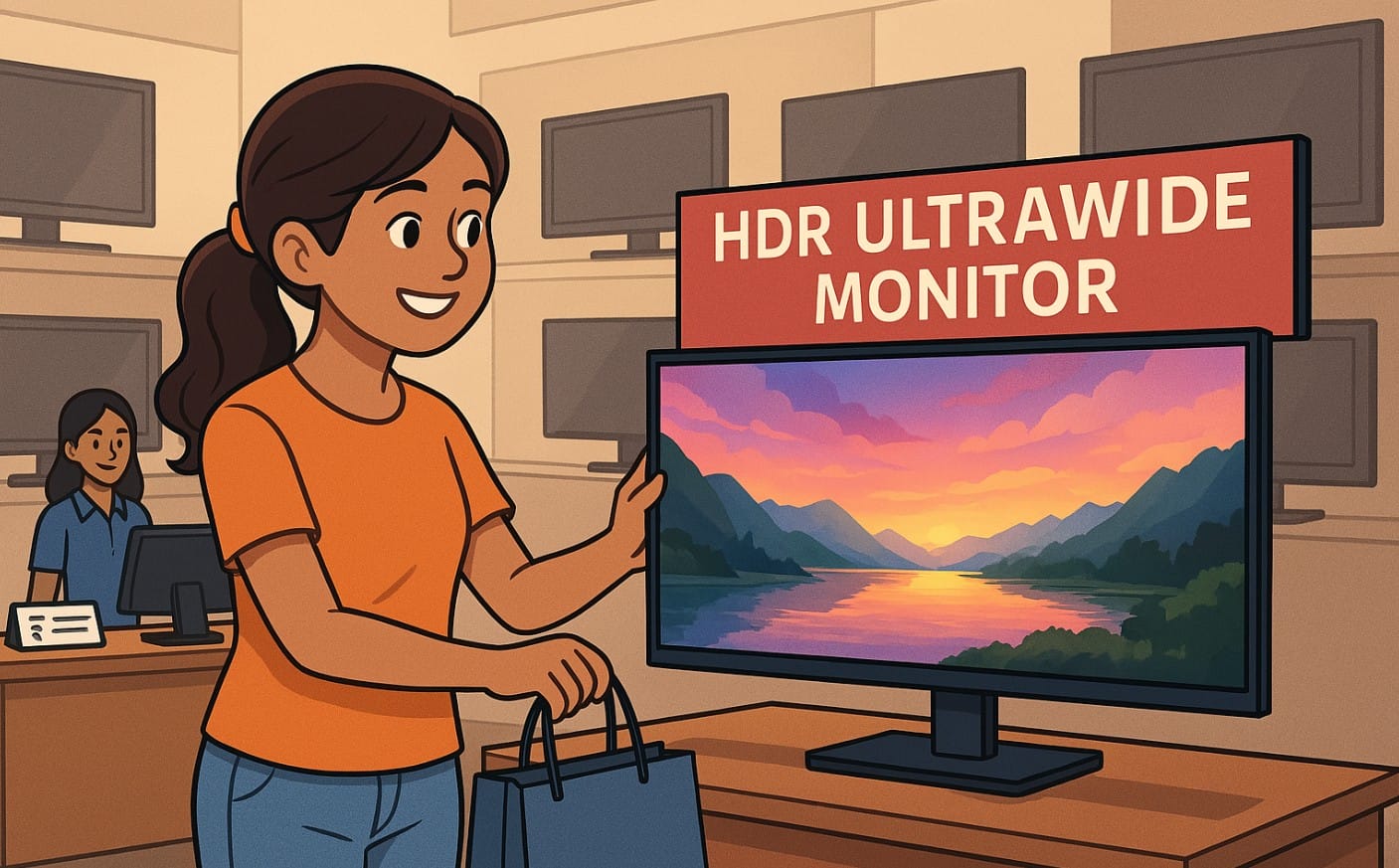
What is HDR and Why Should You Care?
HDR, or High Dynamic Range, is a game-changing technology that enhances the visual quality of monitors by expanding the range of colors and contrast, allowing for a much richer, more realistic picture. In simple terms, HDR makes everything look more lifelike, giving a stunning level of detail in both bright and dark areas of the image.
If you’re someone who uses a monitor for gaming, content creation, or watching movies in India, HDR could be the upgrade your setup needs. But why is it important, and how does it actually work? Let’s break it down.
1. The Science Behind HDR
HDR isn’t just about making things brighter. It’s about making images look more dynamic by increasing the difference between the darkest and lightest parts of an image.
- Brightness: HDR monitors can produce brightness levels that go beyond typical screens. Traditional monitors have a limited brightness range, but HDR screens can display much brighter highlights and darker shadows.
- Color Gamut: While standard monitors use a limited color palette, HDR supports a wider range of colors, making images appear more vibrant and true-to-life.
In simple terms, HDR enhances both the depth and the contrast of the image, resulting in a more immersive and detailed visual experience.
2. How HDR Works on Your Monitor
- Increased Brightness: Traditional monitors typically produce 250-350 nits of brightness, but an HDR monitor can achieve 600-1000 nits, or even higher in some premium models. This allows for brighter whites and more detail in bright scenes.
- Wider Color Gamut: HDR monitors can display a larger color spectrum, making colors look more rich and accurate, especially in content created for HDR standards.
- Enhanced Contrast: The ability to show darker blacks and brighter whites means HDR adds greater depth to images. With HDR, you can see more details in shadows and highlights than with regular monitors.
3. Different HDR Standards: What You Need to Know
There are different HDR standards, each offering unique features:
- HDR10: The most widely used standard, supported by most monitors, consoles, and streaming platforms. HDR10 is static, meaning the brightness settings are fixed across the entire content.
- Dolby Vision: A premium standard that allows for dynamic metadata, meaning brightness settings can change frame-by-frame for better optimization. It’s usually found in higher-end displays.
- HDR10+: Similar to Dolby Vision, but open-source and also uses dynamic metadata to improve brightness and contrast per frame.
Each of these standards improves your visual experience, but the benefits will depend on your monitor’s support for these features.
4. Why HDR Matters for Indian Users
As HDR technology becomes more accessible, it’s important for Indian users to know how it can benefit them:
Entertainment and Movies
- Streaming platforms like Netflix and Amazon Prime Video are adding more HDR content every day. If you want to enjoy better movie quality, an HDR monitor can give you a richer cinematic experience with true-to-life visuals.
Gaming
- HDR in gaming brings out the details in darker scenes while making the bright areas pop. Games like Assassin’s Creed Valhalla and Cyberpunk 2077 look stunning with HDR, providing more immersive environments.
- HDR gives you a competitive edge in multiplayer games by improving visibility in dark corners or bright environments.
Content Creation
- For content creators, HDR monitors provide better color accuracy, which is essential for photo editing, video editing, and graphic design. With HDR support, creators can make sure that their work looks great across all devices that support HDR.
5. How to Choose the Right HDR Monitor in India
When shopping for an HDR monitor, there are a few things to keep in mind:
Brightness
- Look for a monitor that supports 600-1000 nits of peak brightness for optimal HDR performance. A high peak brightness is essential to fully experience HDR visuals.
Color Accuracy
- Check if the monitor supports DCI-P3 color gamut, which is widely used for HDR content creation. The more color the monitor can display, the better the visual experience.
Display Panel
- IPS panels are great for color accuracy and viewing angles in HDR monitors. They help in providing a wider range of colors and better brightness consistency.
Price Consideration
- HDR monitors can be pricey, but the cost is coming down as more models become available in the market. For an Indian audience, it’s important to find a balance between price and features.
6. The Benefits of HDR for Indian Users
Better Picture Quality
- Whether you’re watching the latest movie, playing a high-definition game, or working with creative content, HDR brings better picture quality. The ability to see more details in both the darkest and brightest parts of the image makes it a truly game-changing technology.
Future-Proofing
- As more content is created in HDR, investing in an HDR monitor now ensures that you can experience future content in all its glory. Whether it’s films, games, or other types of content, HDR will only become more prominent in the coming years.
Improved Gaming Experience
- For Indian gamers, HDR support in games gives a competitive edge, with greater visibility and more realistic environments. Games with HDR look much better, and the gameplay becomes more immersive.
7. HDR Brings Your Favorite Games and Movies to Life
HDR technology is transforming how we interact with screens, whether for gaming, streaming, or content creation. It makes images more vibrant, with richer colors, sharper details, and a more immersive experience overall.
With HDR becoming more mainstream, upgrading to an HDR-compatible monitor is a step forward for Indian users who want to future-proof their setup and enjoy better visuals.

