
Beyond Basic Charging: New Power Bank Tech Like Wireless, Solar, and More
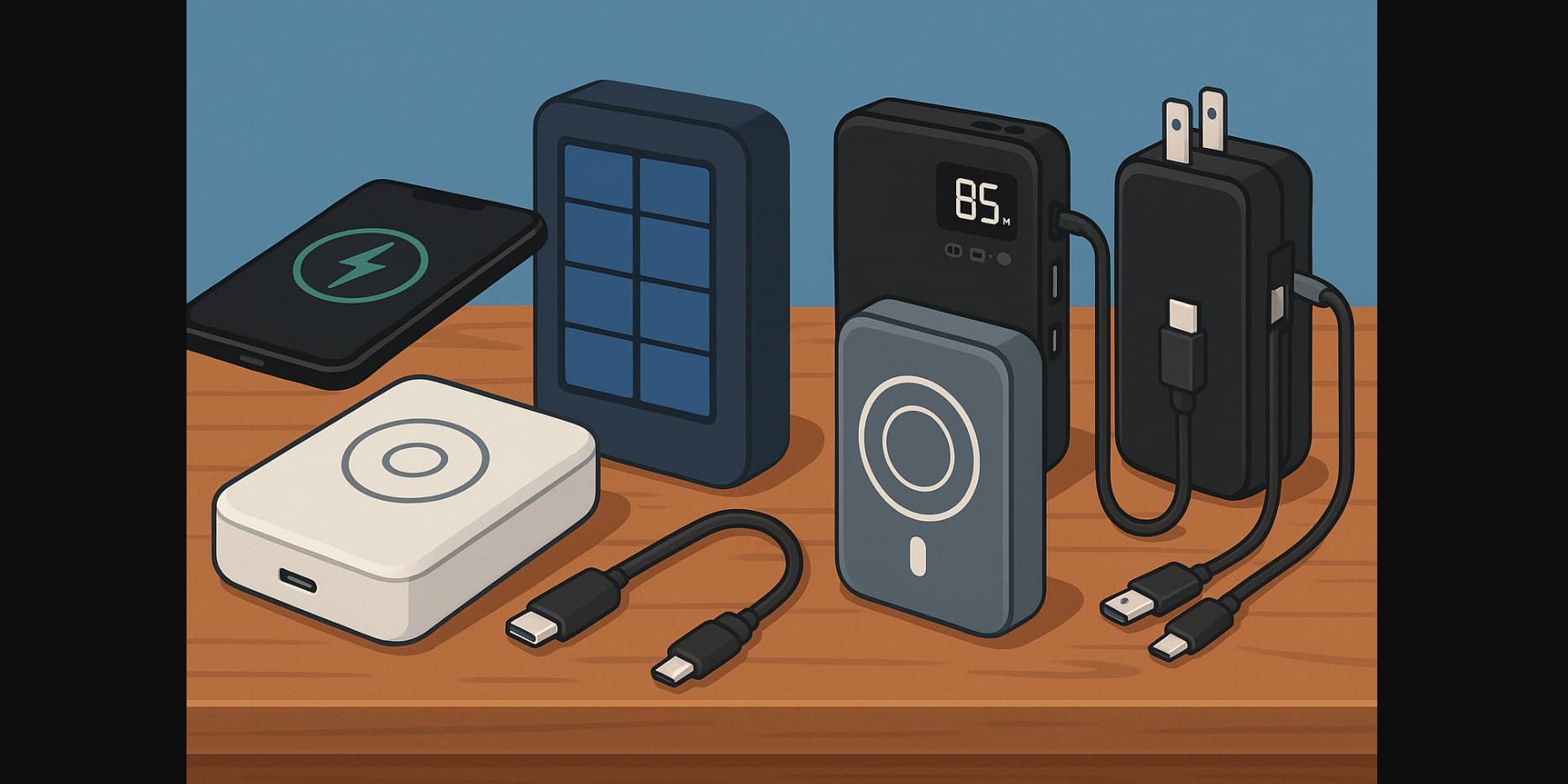
Walk into any online power bank listing and you’ll find features like wireless charging, solar panels, digital displays, magnetic connectors, and built-in cables. But not all of them make sense for everyday Indian use.
This post breaks down what’s real, what’s reliable, and what’s just tech for the sake of marketing, based on how people actually charge and carry their power banks.
1. Wireless Charging Power Banks: Convenient, But Not for Everyone
If you’ve ever fumbled for cables on a crowded desk, wireless charging sounds great. And for Qi-compatible phones (like iPhones and many Samsung models), it is as long as your expectations are realistic.
What works:
- Great for desk or bedside charging
- No cable clutter
- Good with iPhones 8 and above, Samsung Galaxy S series, and some OnePlus models
What doesn’t:
- Wireless speeds are still slower than wired fast charging
- Heat buildup is common during prolonged charging
- Thick phone cases or metal backs reduce efficiency
- Misalignment can stop charging altogether
It’s handy but only if you treat it as convenience, not speed.
2. Solar Power Banks: Great Backup or Just a Marketing Gimmick?
You’ll find solar power banks on Amazon India with wild claims “charge in sunlight in 6 hours,” “never run out of battery,” and more. But here’s the reality:
- Solar charging is painfully slow you’ll need 15-20 hours of direct sunlight to get a full recharge
- They’re great for trekking, field jobs, or rural power cuts but not ideal for daily phone use
- Most models still require wall charging for actual convenience
- They’re also bulkier and heavier, with plastic panels that degrade over time
Verdict: Worth it for specific needs, not for daily urban life.
3. Display Screens and Power Indicators More Than Just a Flashy Add-On
If you’ve ever guessed how much charge your power bank has left or worse, left home with a nearly dead one you already know the value of a screen.
Power bank display types:
- LED bars: Basic, just show 3-4 levels
- Digital % display: More accurate, useful for daily users
- OLED smart displays (rare): Show output wattage, port status, more details
Avoid models with no indicator at all especially if you carry it for emergency backup.
4. Magnetic Power Banks for iPhones Are Here But Be Careful
Magnetic or MagSafe-style power banks have arrived in India and are marketed to iPhone 12 and newer users. They snap to the back of your phone and charge wirelessly great idea, right?
The catch:
- Only work well with MagSafe-compatible iPhones
- Charging is usually limited to 5W-15W, slower than a good wired charger
- Many cheaper ones from Chinese brands have weak magnets or poor temperature control
- Non-certified versions can cause heating and alignment issues
Use it if you’re a minimalist iPhone user, but don’t expect speed.
5. Hybrid Power Banks with Wall Plug + Cables Built In
These power banks are gaining popularity among travelers and students who hate carrying extra wires and chargers.
What they include:
- A fold-out wall plug to charge directly from sockets
- Built-in short cables (USB-C, Lightning, or Micro-USB)
Pros:
- No need to carry anything extra
- Great for flights, train stations, or co-working spaces
Cons:
- Built-in cables are fixed if they fray or fail, you’re stuck
- May not support fast charging above 18W
- Higher price, limited repairability
Ideal for backpackers or hostel students who want simplicity over performance.
6. What to Watch for in Tech-Heavy Power Banks
Advanced features can make your power bank more useful but they also introduce new risks if you’re not careful:
- More features = more heat, especially in Indian summers
- Display circuits and wireless coils increase failure points
- Dust or moisture in USB ports can cause malfunctions
- Not all feature-rich models follow BIS safety standards
Even with wireless or solar models, check for BIS certification and user reviews focused on Indian use.
7. What’s New in Power Bank vs What’s Actually Worth It
| Feature | Worth Using? | Best For | Watch Out For |
|---|---|---|---|
| Wireless Charging | Yes (for convenience) | Desk users, iPhones, Samsung | Slow, case interference |
| Solar Charging | Yes (with limits) | Trekkers, field workers | Very slow, mostly backup |
| Display Screens | Definitely | Everyone | Avoid no-indicator models |
| Magnetic Banks | Niche | iPhone 12+ | Weak magnets, heat, slow speed |
| Built-in Plug + Cables | Very handy | Students, travelers | Fixed cables can’t be replaced |
New power bank features are helpful only if they address a daily problem. Whether you need wireless access at your desk or solar power on a hike, ensure what you purchase fits your usage and location.

