
Why South Indian Filter Coffee Costs Less Than Instant Coffee: Price and Quality Breakdown
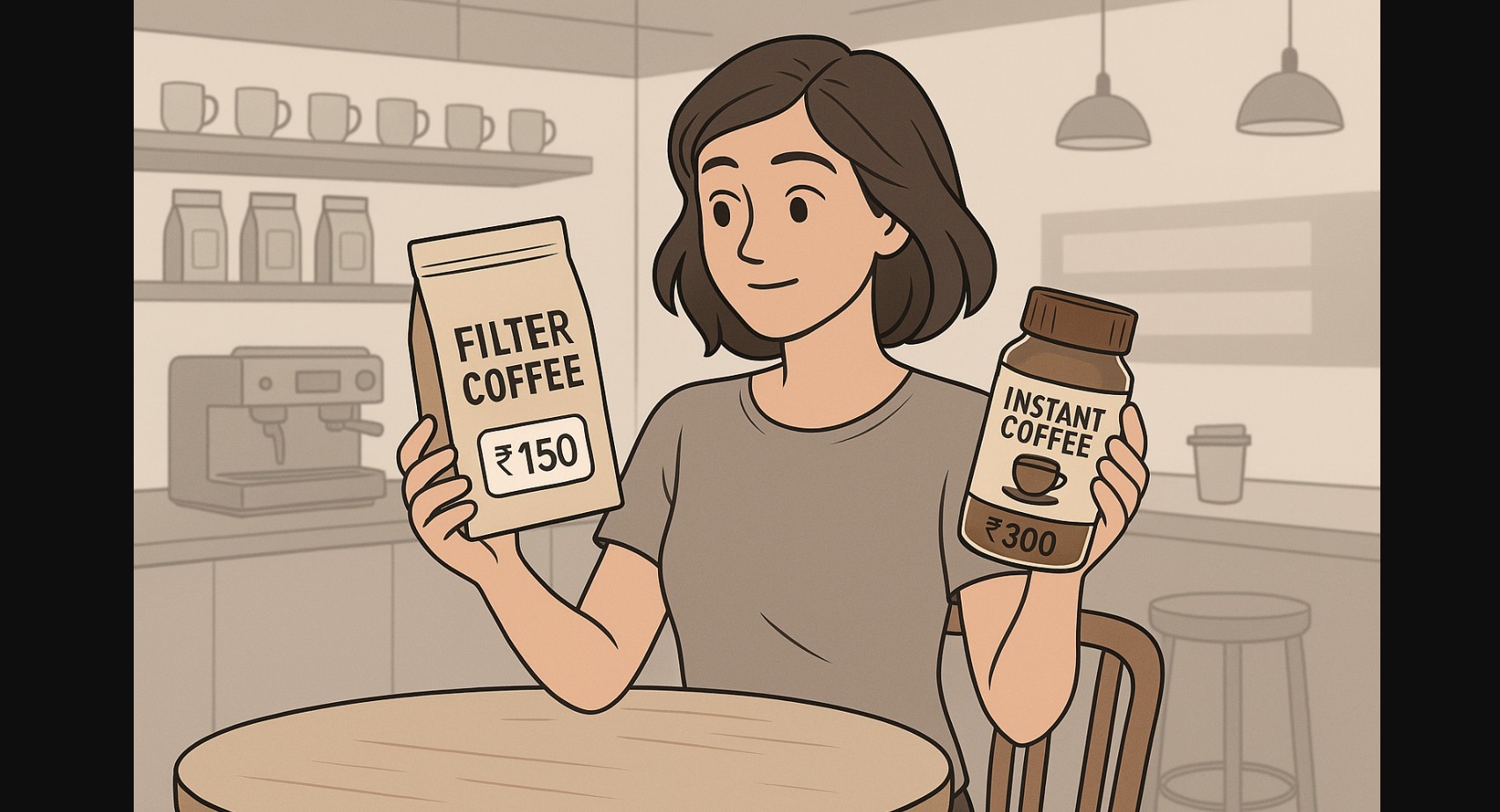
Coffee lovers in India, especially in the southern regions, have a unique relationship with filter coffee. Unlike the instant coffee most commonly consumed in the rest of the world, South Indian filter coffee is a rich, aromatic brew made with a blend of coffee beans and chicory. It’s brewed using a traditional metal filter, offering a stronger, fuller taste that’s deeply rooted in culture. But despite its high-quality production process, South Indian filter coffee is often far more affordable than instant coffee brands like Nescafé or Bru.
So, what makes filter coffee so much cheaper, and what factors drive its pricing? In this post, we will compare the prices of popular South Indian filter coffee brands with mass-market options like Nescafé and Bru, and analyze why traditional coffee is more affordable despite containing chicory.
Understanding Filter Coffee
South Indian filter coffee is made by brewing a blend of coffee beans and chicory in a metal filter. The coffee slowly drips through the filter, extracting rich flavors and oils, which give the coffee its signature bold taste and smooth texture. The ratio of coffee to chicory is generally around 70:30, though it varies from region to region and brand to brand. The resulting beverage is stronger, thicker, and typically served with milk and sugar to balance the richness.
Popular Brands in South India
Some of the well-known South Indian filter coffee brands include:
- Tata Coffee (Coffee Day)
- Mysore Coffee
- Nandan Coffee
- Halli Berri
- Leo Coffee
These brands have earned their reputation by offering fresh, ground coffee mixed with chicory, which gives it a distinct flavor.
Price Comparison: Filter Coffee vs. Instant Coffee
| Brand | Type | Blend | Price per 100g |
|---|---|---|---|
| Tata Coffee Grand | Filter Coffee | Coffee-Chicory Mixture | ₹96 |
| Leo Coffee House Blend | Filter Coffee | 100% Pure Coffee | ₹128 |
| Halli Berri Heirloom Brew-Tiful Classic Blend | Filter Coffee | 100% Arabica | ₹199.6 |
| Nescafé Classic | Instant Coffee | 100% Pure Coffee | ₹400 |
| Bru Instant | Instant Coffee | Coffee-Chicory Mixture | ₹245 |
| Tata Coffee Classic | Instant Coffee | Coffee-Chicory Mixture | ₹224 |
| Bevzilla Classic Strong | Instant Coffee | 100% Pure Coffee | ₹200 |
Key Observations
- Traditional Filter Coffee: Brands like Tata Coffee Grand and Leo Coffee House Blend offer blends with a mix of coffee and chicory, providing a rich and aromatic experience at an affordable price.
- Instant Coffee Brands: While Nescafé Classic offers a premium experience with 100% pure coffee, it comes at a higher price point. Bru Instant and Tata Coffee Classic provide more budget-friendly options with a blend of coffee and chicory.
- Chicory’s Role: The addition of chicory in traditional filter coffee blends not only enhances flavor but also helps in keeping the cost lower compared to pure coffee options.
Why Is Filter Coffee Cheaper With Chicory Mix?
One key reason that traditional South Indian filter coffee is more affordable than premium instant coffee brands is the use of chicory. Chicory is significantly cheaper than pure coffee beans and is used to extend the volume of the coffee blend, allowing brands to offer more affordable options without sacrificing the strength and richness of the brew.
How Chicory Affects Cost
- Cost-Effective Ingredient: Chicory is used in combination with coffee to reduce the cost of the blend. It is a more affordable ingredient and doesn’t require the same processing or import duties that premium coffee beans often face.
- Flavor Enhancement: While chicory contributes a slightly bitter and earthy flavor, it also helps give South Indian filter coffee its distinctiveness without dramatically increasing the price.
- Larger Quantities: The use of chicory allows brands to sell larger packs of coffee for a lower price, ensuring better value for consumers.
Instant Coffee Pricing vs. Traditional Filter Coffee
Instant coffee like Nescafé and Bru often uses lower-quality Robusta beans (which are less expensive) but still faces significant production costs because of the complex process required to turn coffee into an instant product.
- Processing and Preservation: Instant coffee undergoes dehydration and preservation processes that can drive up the cost, even though the quality may not be on par with freshly ground traditional coffee.
- Branding and Advertising: Instant coffee brands like Nescafé spend significantly on advertising and branding, which adds to their price. They position themselves as a convenient, quick-fix solution for coffee lovers.
- Chicory in Instant Coffee: While some instant coffee brands also use chicory, the mix usually has a lower percentage of chicory than traditional South Indian filter coffee, affecting the cost efficiency.
Regional Preferences and Price Sensitivity
Taste Preferences
In South India, filter coffee is more than just a drink; it’s a cultural symbol. People have a strong preference for the bold, strong flavors of filter coffee, and chicory enhances this strength while keeping the coffee affordable.
- Urban vs. Rural: In urban areas, instant coffee has gained popularity due to convenience, but in rural areas, filter coffee remains the go-to drink due to its affordability and strong flavor.
Price Sensitivity
- Affordable for All: One of the primary reasons South Indian filter coffee continues to thrive is because it is affordable for people across all income levels. Even premium brands like Tata Coffee offer larger quantities at competitive prices, which is especially beneficial for households that consume coffee daily.
Why Is Traditional Filter Coffee Still Popular in India?
Cultural Importance
- Traditional Ritual: For many South Indians, filter coffee is part of the daily routine. The aroma of freshly brewed coffee made from ground coffee and chicory is deeply embedded in Indian culture.
- Social Beverage: Filter coffee is often shared during gatherings, family moments, or even casual office breaks, adding a social aspect to the drink.
Freshness and Quality
- Brewed Fresh: Filter coffee is prepared fresh every time, which is a distinct advantage over instant coffee. This freshness provides a richer taste and texture that many coffee drinkers prefer.
- Quality Control: While instant coffee offers convenience, filter coffee provides a higher-quality experience, especially for those who appreciate freshly ground coffee and slow brewing.
Summary: Is Filter Coffee Worth It?
South Indian filter coffee provides excellent value for money. It is cheaper due to the use of chicory, which helps reduce costs without sacrificing flavor. Despite its affordability, it offers a richer, more satisfying experience than many instant coffee options.

