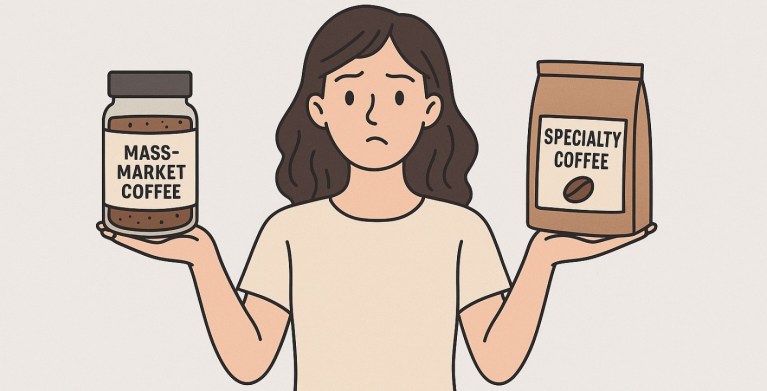
Coffee is a beloved daily beverage for millions in India. Whether it’s a quick cup of instant coffee or a carefully crafted espresso at a café, the price of that cup often leaves consumers wondering, “Where does all that money go?” The cost of coffee isn’t just about the beans; it involves various players in the supply chain, from the farmer to the retailer, each adding their share to the final retail price.
This post will break down how much of the retail price of coffee goes to each stakeholder in India, including the farmer, roaster, distributor, and retailer, and explain the impact of retail margins, distribution costs, and overheads on the price of your daily brew.
1. Coffee Retail Margins: What Do Retailers Make?
Coffee retailers are the last stop before a cup of coffee reaches the consumer. They play a significant role in the pricing process, especially in terms of the final markup. Retail margins vary depending on the type of retailer, whether it’s a café, supermarket, or grocery store.
- Cafés and Coffee Chains: Cafés in high-traffic urban areas, like Bangalore and Delhi, often have the highest profit margins on coffee. These businesses typically mark up the cost of a cup by as much as 50%-60%.
- Supermarkets and Grocery Stores: While the profit margins in supermarkets are lower (around 30%-40%), they make up for this with volume sales of packaged coffee.
The cost of operating a retail coffee business, especially a café, goes beyond just the beans themselves. Overheads, including rent, labor costs, utilities, and marketing, all contribute to the final price consumers pay for a cup of coffee.
2. Breakdown of the Final Coffee Price: Farmer, Roaster, Distributor, and Retailer
A. Farmer’s Share
The price paid to coffee farmers in India is the starting point in the coffee price breakdown. However, the farmer’s share of the final retail price is relatively small.
- Farmer’s Contribution: Typically, the farmer receives only 10%-20% of the final price. Factors like quality, yield, and global coffee market trends all influence how much the farmer earns.
- Example: In a ₹150 cup of coffee, the farmer’s share would range between ₹15-₹30.
B. Roaster’s Share
Once the beans are harvested, they are roasted to bring out their flavors. The roasting process, however, is a costly endeavor due to energy consumption, specialized equipment, and skilled labor.
- Roaster’s Contribution: Roasters, depending on the scale and quality of their operation, take about 20%-30% of the final price.
- Example: If the price of a coffee cup is ₹150, the roaster’s share could be ₹30-₹45, particularly for small-batch artisanal roasters or specialty coffee brands that focus on premium quality.
C. Distributor’s Share
After roasting, the coffee is distributed to retailers or cafés. The costs involved in distribution include logistics, warehousing, and delivery.
- Distributor’s Contribution: Distributors typically take 10%-20% of the price. The exact percentage depends on whether the coffee is sold locally or nationally, and whether it’s mass-market coffee or premium coffee.
- Example: In the case of national brands like Nescafe, distributors will charge a slightly higher percentage for nationwide delivery, while local brands may charge lower distribution fees.
D. Retailer’s Overheads and Profit Margins
Retailers bear significant operational costs, especially in high-traffic areas where rent is expensive. These overheads are passed on to consumers in the final price.
Overheads:
- Rent: Commercial rent in places like MG Road, Bangalore, or Connaught Place, Delhi, is high, contributing significantly to the cost of coffee sold.
- Labor: Baristas and staff wages, employee training, and benefits all add to the cost.
- Utilities and Maintenance: Electricity, water, equipment maintenance, and other utilities further increase the cost of running a coffee shop.
Retailer’s Contribution: The retailer’s share typically constitutes 40%-50% of the final price. This large markup reflects the high overheads associated with operating a café or retail outlet.
- Example: If the final price of a cup of coffee is ₹150, the retailer might keep ₹60-₹75 to cover rent, utilities, staff wages, and other operational costs.
3. Impact of Coffee Shop Overheads
Operating a coffee shop involves significant overheads. These include:
- Rent and Utilities: Cafés and coffee chains often occupy prime locations, which come at a steep cost in terms of rent. The price of coffee sold at these locations reflects these high costs.
- Employee Costs: Staff wages and barista training represent another significant overhead. High-quality coffee shops and specialty cafés tend to have a more trained workforce, which adds to the cost of operations.
- Packaging and Branding: Retailers that focus on premium coffee experiences invest in branded cups, napkins, and packaging, all of which add to the final price of coffee. Even premium brands like Starbucks use quality packaging to justify their pricing.
4. Consumer Pricing Behavior and Its Impact
Willingness to Pay for Premium Coffee
With the growing coffee culture in India, especially among young professionals, many consumers are willing to pay more for premium coffee experiences. As demand for specialty coffee rises, coffee shops and retailers increase their prices to reflect the added value of higher-quality beans, unique roasting methods, and an elevated coffee experience.
- Branding: Coffee brands that focus on specialty blends, organic beans, or fair-trade certifications can command higher prices. Starbucks, for example, has built a strong brand presence, and the perceived quality and experience add to the cost of a cup of coffee.
Final Breakdown of a ₹150 Coffee Cup
- Farmer: ₹20 – ₹30
- Roaster: ₹30 – ₹45
- Distributor: ₹15 – ₹20
- Retailer: ₹60 – ₹75 (for overheads, rent, wages, utilities, and profit)
5. Summary – Behind the Price of Your Coffee
The price of your daily cup of coffee in India is influenced by several factors beyond just the cost of coffee beans. The farmer, roaster, distributor, and retailer each play a role in determining the final cost. While the farmer receives a small share, the bulk of the price is added by the roaster, distributor, and retailer.
Overheads, including rent, labor costs, and utilities, significantly influence how much coffee shops and retailers charge for a cup. As India’s coffee market continues to evolve, premium coffee and specialty brands will likely drive higher retail margins, while mass-market coffee will remain more affordable.
By learning how coffee prices are set, consumers can better understand the cost of their coffee and the complex supply chain that contributes to making that perfect cup.