
Smart Devices and Privacy in India – What Your Home Might Be Sharing
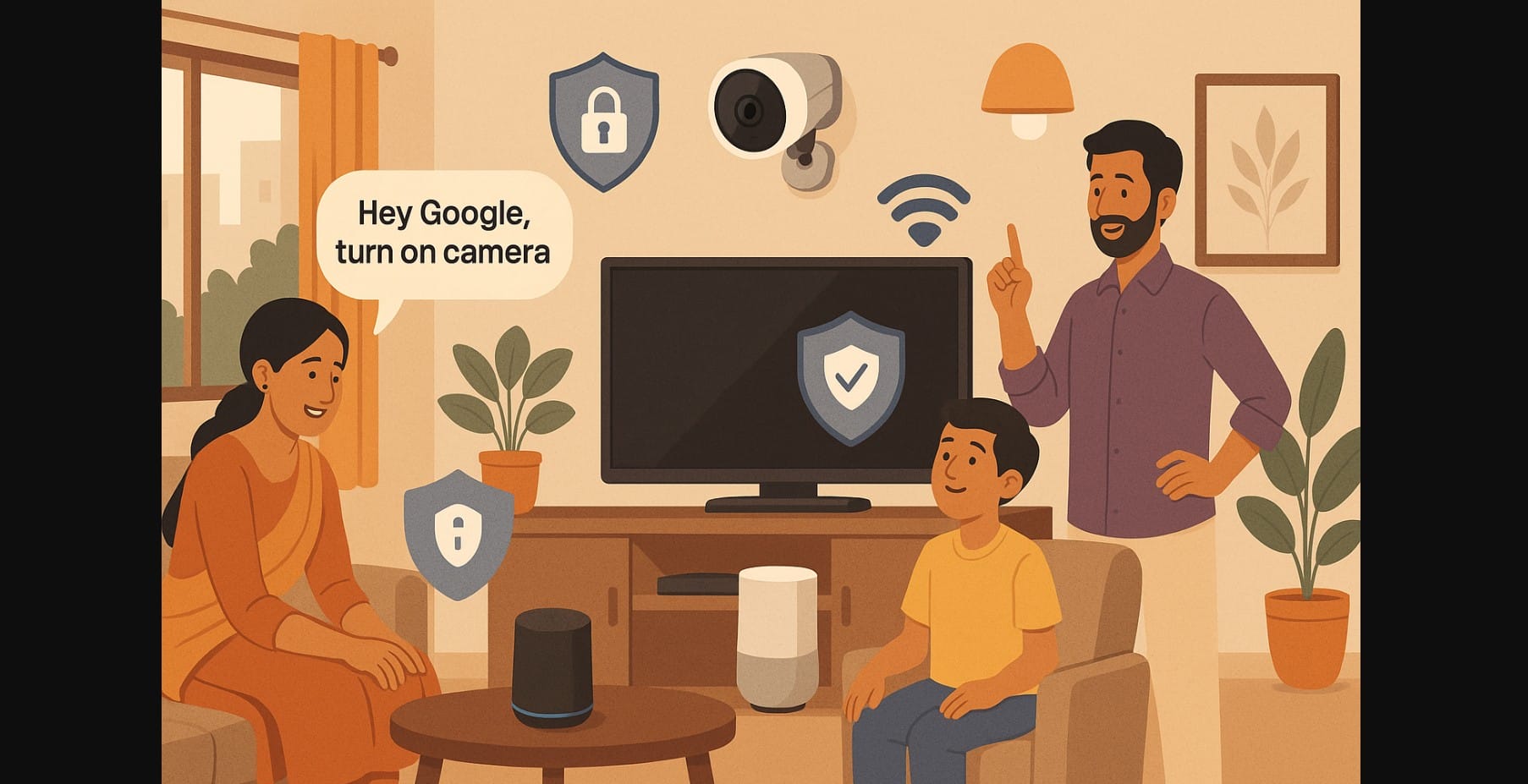
Smart lights, plugs, doorbells, voice assistants are getting smarter every day. From urban flats to tier-2 houses, more people are now using smart devices to control everything from ACs to lights to geysers.
But as you make life easier with automation, a valid question comes up:
Are these devices listening to you? Are they recording your voice or habits?
This guide helps you understand what’s actually happening behind the scenes and how you can enjoy smart tech without giving up your privacy.
1. What Does “Listening” Really Mean?
There’s a big difference between a smart device that’s:
- Always listening for a wake word (“Alexa,” “OK Google”)
- vs. Always recording or transmitting everything you say (which most don’t)
Here’s how it works:
- Devices like Echo or Nest speakers continuously listen for a specific trigger phrase
- Once triggered, they start recording and processing your command
- Some commands are sent to the cloud for processing, and may be stored
- By default, brands like Amazon or Google keep logs of what was said but you can manage or delete this
So no, your smart speaker isn’t spying on every word but it’s still collecting data when you use it.
2. What Smart Devices Know About You
Smart home devices gather more than just voice data. Here’s what they typically collect:
| Device Type | Common Data Collected |
|---|---|
| Voice assistants | Voice commands, interaction history, device usage timing |
| Smart TVs | What apps you use, what you watch, voice search history |
| Cameras & doorbells | Video clips, snapshots, motion detection timestamps |
| Smart plugs/switches | On/off times, energy usage patterns, automation routines |
| Apps | Your location, Wi-Fi details, contacts (in some cases) |
Even Indian-brand apps (like Mi Home, Realme Link, Wipro Next) store data on cloud servers, often hosted outside India.
3. Where Does This Private Home Data Go?
Depending on the device, your data may be:
- Stored locally (e.g., on your phone or SD card)
- Stored in brand-specific cloud servers (Amazon, Google, Mi, etc.)
- Sometimes shared with third-party services for analytics, advertising, or AI improvements
Most major brands say they anonymize this data but it’s often still linked to:
- Your phone number
- Your Amazon/Google account
- Your voice print (used to recognize different users in the home)
4. Common Privacy Misunderstandings
| Myth | The Truth |
|---|---|
| “My Alexa records everything I say” | It only records after hearing the wake word but logs are kept |
| “Smart plugs can’t track anything” | They can still log power usage, timing, and routine schedules |
| “My camera is off, so I’m safe” | Unless unplugged or disabled in-app, it may still be online |
| “Indian devices are safer” | Many use global platforms and tracking tools under the hood |
| “I don’t have anything to hide” | Even your routine, presence, and absence data has value |
5. How to Take Control of Your Smart Home Privacy
Here are steps you can take right now:
- Mute microphones when not using your assistant
- Echo and Nest have physical mic-off buttons
- Clear or disable voice history
- In Alexa and Google Home apps, go to Settings – Privacy
- Review app permissions on Android or iOS
- Remove access to camera, mic, location unless needed
- Disable unnecessary cloud backups
- Especially for indoor cameras use local SD storage if possible
- Use strong passwords + two-factor login for all smart apps
- Check router logs and manage how many devices are connected
- Avoid placing devices in highly private areas (e.g., bedrooms, dressing rooms)
6. What Does Indian Law Say About Smart Device Privacy?
India passed the Digital Personal Data Protection Act (DPDP) in 2023, which:
- Requires apps and companies to ask for consent before collecting data
- Gives you the right to request deletion or correction of your data
- Mandates data security and local grievance handling
But there’s a catch many international brands and devices aren’t fully regulated yet. Cloud servers abroad, third-party ad trackers, and IoT platforms remain loosely monitored.
So even though the law is improving, the responsibility still lies with you to secure your data.
7. Smart Home Setup Without Sacrificing Privacy
Smart homes can still be secure if you plan them right:
| Do This | Instead of This |
|---|---|
| Use voice assistants in common areas | Avoid putting them in bedrooms or washrooms |
| Manually set up routines | Don’t rely on auto-learn behavior from cloud |
| Turn off always-on features | Unless you truly need hands-free wake words |
| Use local control when possible | Skip cloud access for simple plug/light routines |
| Check data access in app settings | Don’t skip app permissions during install |
8. Keep Your Smart Home Private in India
Smart homes in India are helping people save time, gain comfort, and improve safety. But in exchange, you might be giving away more than you think your voice, your habits, your routines.
The good news?
You can still enjoy a fully smart home while protecting your privacy.
It just takes a few smart choices:
- Check your settings
- Review your permissions
- Place devices thoughtfully
- Use local storage when possible
- And stay aware of how data flows through your home

